Dehumidification After Water Damage: How Long Does It Take in Arlington?
Most Arlington homes dry in 3 to 5 days with professional dehumidification. Here is what actually controls the clock, and when it runs longer.
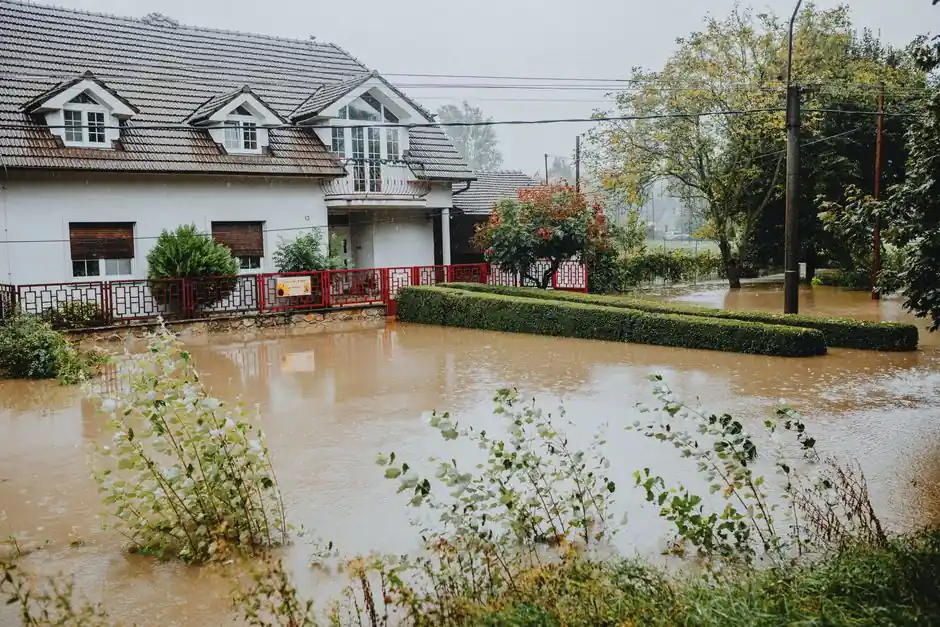
Dehumidification after water damage in Arlington usually takes 3 to 5 days for a typical home, with most of the moisture pulled out in the first 48 hours. Small, contained losses like a supply line under a kitchen sink can finish in 2 to 3 days, while slab leaks, Category 3 sewage backups, and flooded crawl spaces routinely run 6 to 10 days. What follows is the honest version of that timeline: what controls it, what we measure, and when a job in Arlington is actually done.
The short answer: 3 to 5 days for most Arlington homes
Dehumidification after water damage how long Arlington homeowners should expect depends almost entirely on three numbers: how much water got in, how far it spread, and how humid the air around it is. A burst washing machine hose that soaked 200 square feet of carpet is a different job than a slab leak that has been weeping under engineered hardwood for two weeks.
Here is the range we see across Arlington in 2026:
- 2 to 3 days: Small, clean-water losses under 100 sq ft - toilet supply line, ice maker line, a single wet closet.
- 3 to 5 days: The standard job. One or two rooms, carpet and pad, baseboards, maybe a section of drywall.
- 5 to 7 days: Hardwood floors, plaster walls, or water that reached a second story and traveled down through the ceiling.
- 7 to 10+ days: Category 3 water (sewage, storm runoff), flooded crawl spaces, or any loss where the structure sat wet for more than 72 hours before we arrived.
Those numbers assume professional-grade equipment running continuously. A single box-store dehumidifier in a 500-square-foot room will not hit the same timeline - it physically cannot move enough pints per day.
What dehumidification after water damage actually does
Dehumidification after water damage is the phase of restoration that removes moisture vapor from the air so wet materials release their water into that air, where it can be captured and drained away. Extraction pulls standing water out of the carpet; dehumidification pulls the water out of the carpet backing, the pad, the drywall, and the subfloor.
Two things have to happen at once for drying to work. Air movers create a turbulent boundary layer across wet surfaces so moisture evaporates faster. Dehumidifiers then strip that moisture out of the air before it re-settles into the same materials. If you run air movers without dehumidification, you are just moving humid air from one room to another. If you run dehumidification without airflow, the wet materials stay wet.
We use refrigerant and desiccant dehumidifiers sized to the cubic footage of the affected space. A 1,200-cubic-foot bedroom needs roughly 70 to 90 pints per day of extraction capacity. A flooded 1,800-square-foot crawl space can need 200+ pints per day plus ducted airflow to reach the far corners.
How long does dehumidification take after water damage in Arlington TX?
How long dehumidification takes after water damage in Arlington TX is measured in drying days, not calendar days, and a drying day is 24 hours of continuous equipment runtime. We do not count the day we set equipment as day one of drying - that day is extraction and setup.
Here is the actual sequence we run on a standard Arlington loss:
- Day 0 (arrival): Extract standing water, pull wet carpet and pad, cut out unsalvageable drywall, set dehumidifiers and air movers. Moisture readings logged in every affected room.
- Day 1: First full drying day. Relative humidity in the containment should drop from 70-90% down toward 40-50%. Materials still read wet.
- Day 2: The big drop. Carpet backing and pad usually hit dry standard. Drywall paper starts reading dry at the surface.
- Day 3: Baseboards, bottom plates, and the first inch of drywall. This is where most jobs are 80% done.
- Day 4 to 5: Subfloor, framing, and any hardwood. Final moisture readings verified against a dry standard for the same material in an unaffected room.
We take readings twice a day and adjust equipment placement. If a wall cavity is still reading 18% on day three while the rest of the room is at 10%, we add a drying mat or inject dry air into the cavity rather than just running the clock.
The Arlington factors that stretch or shrink the timeline
Arlington sits in a climate zone that swings hard - 100°F summer days with 60%+ humidity, and winter cold fronts that drop into the 20s. Both extremes change how fast a structure dries.
Summer and early fall
From June through October, outdoor dew points in Arlington regularly sit between 65°F and 72°F. That means every time a door opens, you are pulling moist Gulf air into a space you are trying to dry. We build positive pressure containment and seal doorways on summer jobs. Without that, dehumidification time in Arlington Texas can stretch by a full day or more.
Winter and spring
Cold, dry air actually helps dehumidification - but it slows evaporation. Materials at 55°F release moisture more slowly than materials at 75°F. We run heat injection on winter jobs to keep surface temperatures in the 70s while the dehumidifier works. That is why a January pipe-burst job in a North Arlington water damage restoration project often takes the same 4 days as a July job, just for different reasons.
Construction type
Arlington has a wide mix of housing stock. Mid-century ranches in East Arlington water damage restoration zones often have original oak hardwood over pier-and-beam foundations - those dry slower than modern engineered floors because solid wood holds moisture in the grain. Newer builds in Southwest Arlington with slab-on-grade and LVP flooring dry faster but hide moisture under the plank, so we meter the slab directly.
Water category
Category 1 (clean supply line) dries on the standard timeline. Category 2 (washing machine discharge, dishwasher overflow) adds a day for antimicrobial treatment. Category 3 (sewage backup, storm surge) requires full removal of porous materials first - there is nothing left to dry - and the structural drying clock starts after the contaminated material is gone. For those jobs we bring in sewage water extraction arlington TX equipment before any drying begins.
How many days should I run a dehumidifier in Arlington?
If you are running a rented or homeowner-grade dehumidifier, run it for a minimum of 5 days and do not shut it off just because the floor feels dry to the touch. Surface dry and structural dry are different things. Carpet can feel dry on top while the pad underneath is still at 40% moisture content.
Here is the practical rule: keep the dehumidifier running until a moisture meter reads the affected material within 2 percentage points of an unaffected piece of the same material in another room. For most Arlington homes, that means:
- Drywall: 10-12% moisture content
- Wood framing: 9-14%
- Hardwood flooring: 6-9%
- Concrete slab: 4-6% (and no visible darkening)
If you do not own a moisture meter, the honest answer is you cannot know when to stop. That is the single biggest reason DIY dehumidification fails - people stop at day three because the room smells fine, and three weeks later the baseboards are cupping and there is a musty odor behind the drywall.
For a full breakdown of how we handle the drying phase, including equipment sizing and daily monitoring, see our dehumidification services arlington TX page.
What to watch out for during the drying process
Most failed drying jobs in Arlington fail for one of five reasons. All five are avoidable.
- Stopping too early. The room smells fine at day three. The moisture meter says otherwise. Do not trust your nose.
- Running the AC instead of a dehumidifier. Your air conditioner removes some humidity, but it is sized for comfort, not for drying a wet structure. It will not pull 80 pints a day out of a soaked room.
- Closing the doors. Dehumidification needs the affected area contained but not sealed off from the equipment. We set up a containment that keeps humid air from spreading to the rest of the house while still letting the dehumidifier cycle air through the wet zone.
- Forgetting the wall cavities. Water wicks up drywall and into the insulation behind it. If you dry the room air but not the cavity, you get mold inside the wall in 48 to 72 hours.
- Not documenting readings. If you file an insurance claim, the adjuster wants daily moisture logs. Without them, you may be paying out of pocket for a drying job that should have been covered.
One more: do not run a dehumidifier in a room where the power is compromised. Water and electricity do not mix, and a wet outlet behind the unit is a real hazard. We check every circuit before we plug anything in.
When to call a professional
Call us when the water came from a sewage line, when it reached more than one room, when hardwood or tile is involved, when the loss is in a crawl space or basement, or when the structure has been wet for more than 48 hours. Those are the jobs where homeowner-grade equipment stops being enough.
We also get called in when a DIY drying attempt has stalled - the room still smells musty after a week, or the moisture meter will not drop below 15%. At that point the issue is usually a hidden cavity or a subfloor that never got airflow. We find it, dry it, and verify it with readings before we pull equipment.
If you are not sure whether your situation needs a pro, call and describe it. We will tell you straight. For most Arlington homeowners, the cost of a professional drying job is less than the cost of replacing a floor that rotted because the subfloor never dried.
Frequently Asked Questions
How long does dehumidification take after water damage in Arlington TX?
Most Arlington homes dry in 3 to 5 days with professional equipment. Small clean-water losses finish in 2 to 3 days. Sewage backups, flooded crawl spaces, and hardwood floors run 6 to 10 days. The clock starts after extraction, not on the day you call.
How many days should I run a dehumidifier in Arlington?
Run it a minimum of 5 days, and keep going until a moisture meter reads the affected material within 2 points of a dry reference piece. Surface-dry is not structural-dry. If you do not have a meter, run it 7 days and have a pro verify before you stop.
Is dehumidification necessary after water damage in Arlington Texas?
Yes. Arlington's summer humidity runs 60% or higher, and a wet structure will not dry on its own in that air. Without dehumidification, mold can start growing on wet drywall and framing within 48 to 72 hours. Extraction alone does not prevent that.
Can I just use my AC to dry the house?
No. Your AC removes some humidity, but it is sized for comfort, not structural drying. A typical Arlington home AC pulls 20 to 30 pints per day. A wet room needs 70 to 100+ pints per day. You will stall out and risk mold.
Does insurance cover dehumidification after water damage?
Most homeowner policies cover professional drying and dehumidification when the loss is sudden and accidental - burst pipe, appliance failure, storm intrusion. We document daily moisture readings and equipment logs so your adjuster has what they need. Sewage backups often need a separate rider.
Get help with water damage restoration in Arlington
If your home or business is wet right now, the clock is already running. We handle extraction, dehumidification, and full structural drying across Arlington and the surrounding communities, and we verify every job with moisture readings before we pull equipment.
Call +1 (817) 761-4255 and we will tell you what your job needs - no guesswork, no pressure.