For homes
We dry houses, apartments, and condos across arlington. You get daily readings and a log for your claim.
- Burst pipe in a wall
- Slab leak under flooring
- Wet carpet and pad
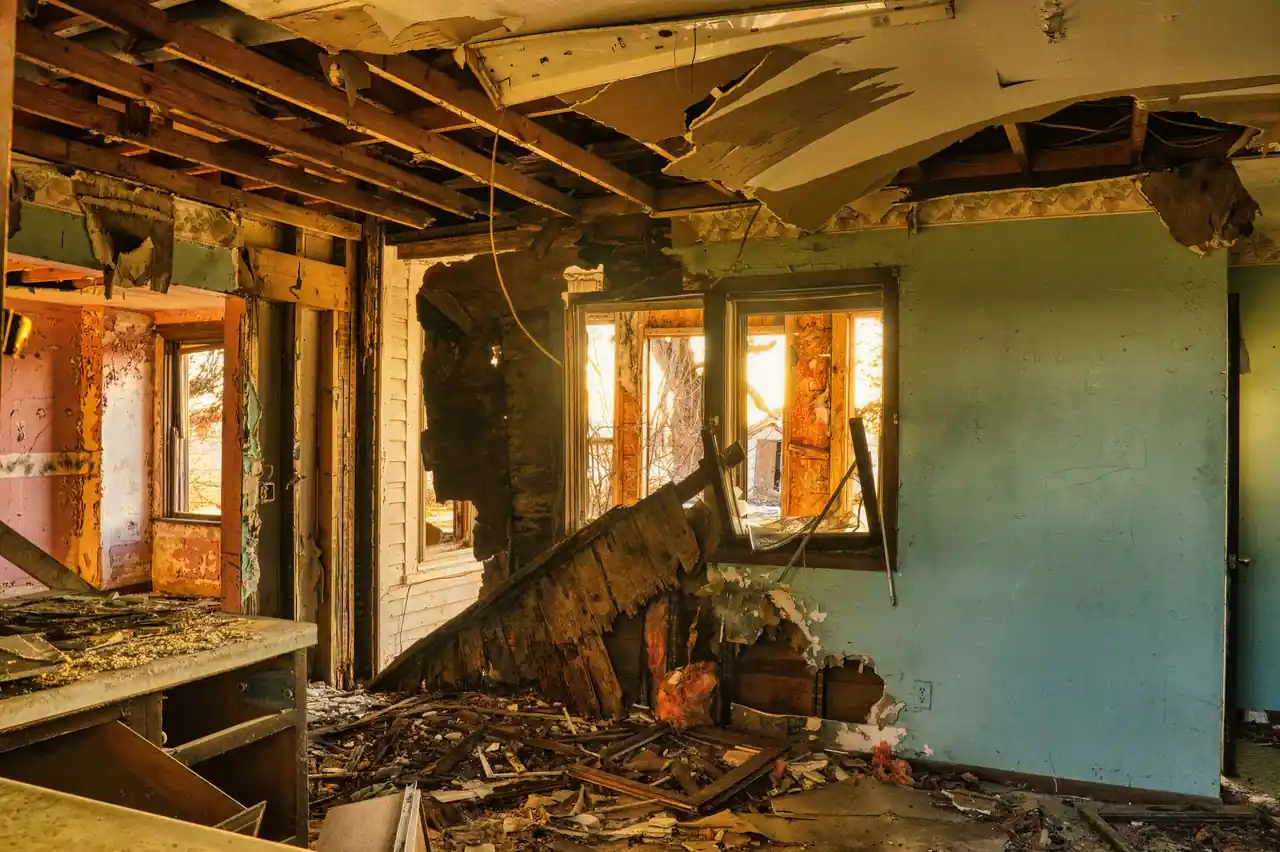
When a pipe bursts or a storm pushes water under your slab, structural drying arlington TX is the difference between a repair bill and a rebuild. We pull the water, set the air movers and dehumidifiers, and track moisture readings every day until your framing, drywall, and subfloor hit dry standard. Residential and commercial crews, same-day response.
 Moisture mappingDaily readingsEquipment sizing
Every structural drying job starts with a moisture assessment and ends with a drying log. We include extraction, equipment setup, daily monitoring, and documentation. Repairs like replacing drywall or flooring are separate, and we tell you when they are needed. Here is what is covered.
We walk the space with moisture meters and thermal imaging cameras to find every wet area. We map the wet zone, identify the water source, and explain what we found. This takes 30 to 45 minutes and sets the drying plan.
We pull standing water with truck-mounted extractors, portable extractors, and wet vacuums. Carpet, pad, and hard floors get extracted first, then wall cavities and ceilings. Absorbent pads catch what extractors cannot reach.
We place air movers and dehumidifiers based on the size and material of the wet zone. A typical room needs 4 to 6 air movers and 1 to 2 dehumidifiers. We hang plastic sheeting to contain the drying area and keep airflow where it works.
We return every day to log moisture readings with meters and hygrometers. Readings tell us whether to add equipment, move it, or pull it out. You get a daily update so you know where the job stands.
We apply antimicrobial solutions and mold inhibitors to wet framing, drywall, and insulation where needed. This limits mold growth during the drying window. It is standard on category 2 and category 3 water losses.
When readings hit dry standard, we remove equipment and give you a drying log with photos and readings. That record supports your insurance claim and shows the structure is dry. We also flag any repairs still needed.
The approach is the same for a home and a business. What changes is the access, the schedule and who needs the paperwork.
We dry houses, apartments, and condos across arlington. You get daily readings and a log for your claim.
We dry offices, restaurants, and retail spaces with minimal downtime. Work is scheduled around your hours.
A plain-language look at what Structural Drying involves and when it is needed.
See how it worksStructural drying arlington TX is the controlled process of removing trapped moisture from the building materials that hold your home together. After water extraction, we place air movers, dehumidifiers, and desiccants to pull moisture out of drywall, insulation, hardwood, and the subfloor. We use moisture meters, thermal imaging cameras, and hygrometers to find water you cannot see and prove when the structure is dry.
Arlington sits in Tarrant County, where a burst pipe in January or a slab leak in July can soak a house fast. We see sewage backups in older South Arlington neighborhoods, roof leaks after spring hail, and crawl space moisture in the clay-heavy soil near Pantego and Dalworthington Gardens. If you need structural drying near me arlington TX, our team handles emergency structural drying arlington and full structural drying and dehumidification arlington Texas.
Drying is measured, monitored, and documented until materials hit dry standard.
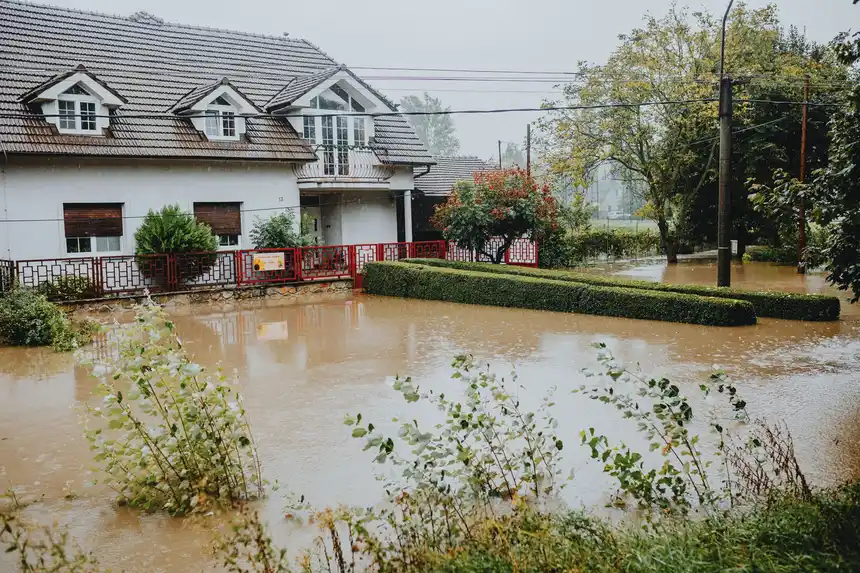
Five steps from the first call to a dry structure. You will know what is happening and when.
You call, we ask what happened and where the water is. A crew arrives with truck-mounted extractors and portable extractors, then walks the space with moisture meters and thermal imaging cameras. We map the wet zone and explain what we found. Most assessments take 30 to 45 minutes.
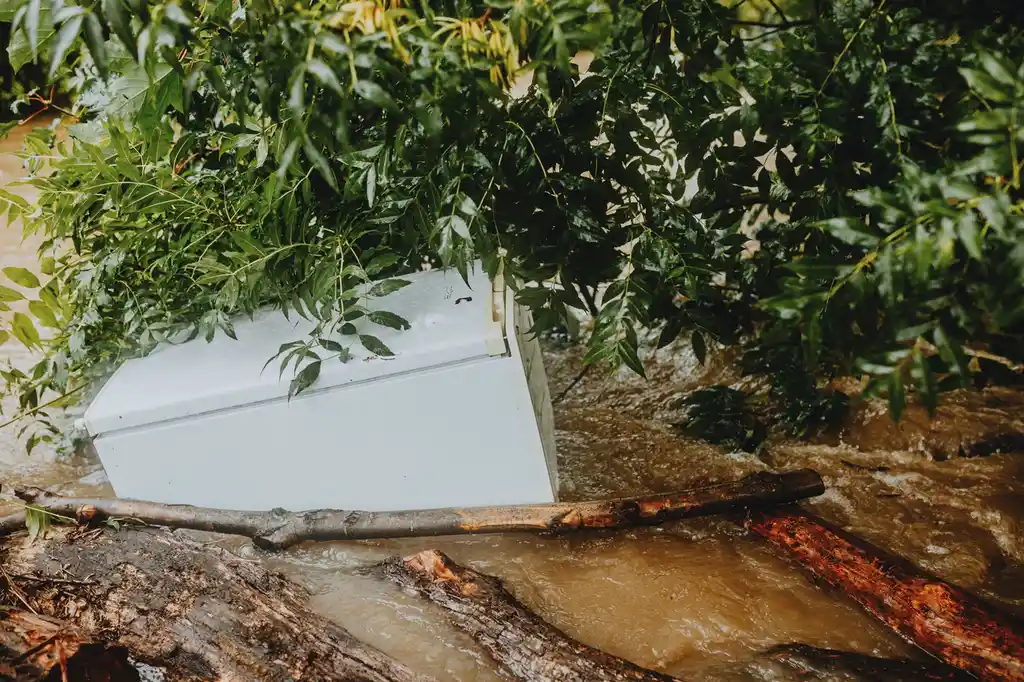
We pull standing water with truck-mounted extractors and wet vacuums. Carpet, pad, and hard floors get extracted first, then we check wall cavities and ceilings. Absorbent pads catch what the extractor cannot reach. A typical room clears in 1 to 3 hours depending on water depth.
We place air movers and dehumidifiers based on the size of the wet zone. A 12-by-14 room usually needs 4 to 6 air movers and 1 to 2 dehumidifiers. We hang plastic sheeting to contain the drying area and keep conditioned air where it works. Setup takes about an hour.
We return every day to log moisture readings with meters and hygrometers. Readings tell us whether to add equipment, move it, or start pulling it out. You get a daily update. Most jobs run 3 to 5 days, with hardwood and dense materials sometimes taking 5 to 7.
We compare final readings to dry standard for each material. When everything passes, we remove equipment and give you a drying log with photos and readings. That record supports your insurance claim and shows the structure is dry. We also flag any repairs still needed.
Move across a circle, or focus it and press Enter, for an illustrative thermal view of the photograph.
We use these to pull large volumes of standing water fast. They handle flooded rooms and commercial losses where portable units would take too long.
These reach tight spaces like closets, bathrooms, and under cabinets. We use them after the truck mount clears the bulk of the water.
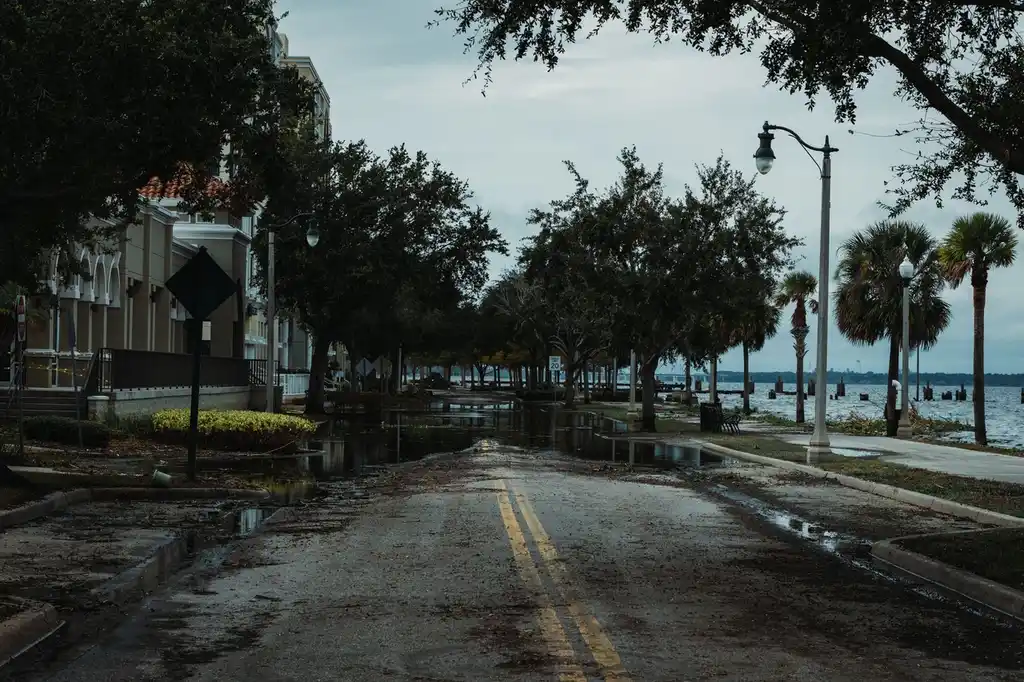
Air movers keep air moving across wet surfaces so moisture evaporates. We place them based on room size and material, usually 4 to 6 per room.
Dehumidifiers pull moisture out of the air so wet materials can release water. We size them to the space and run them until readings hit dry standard.
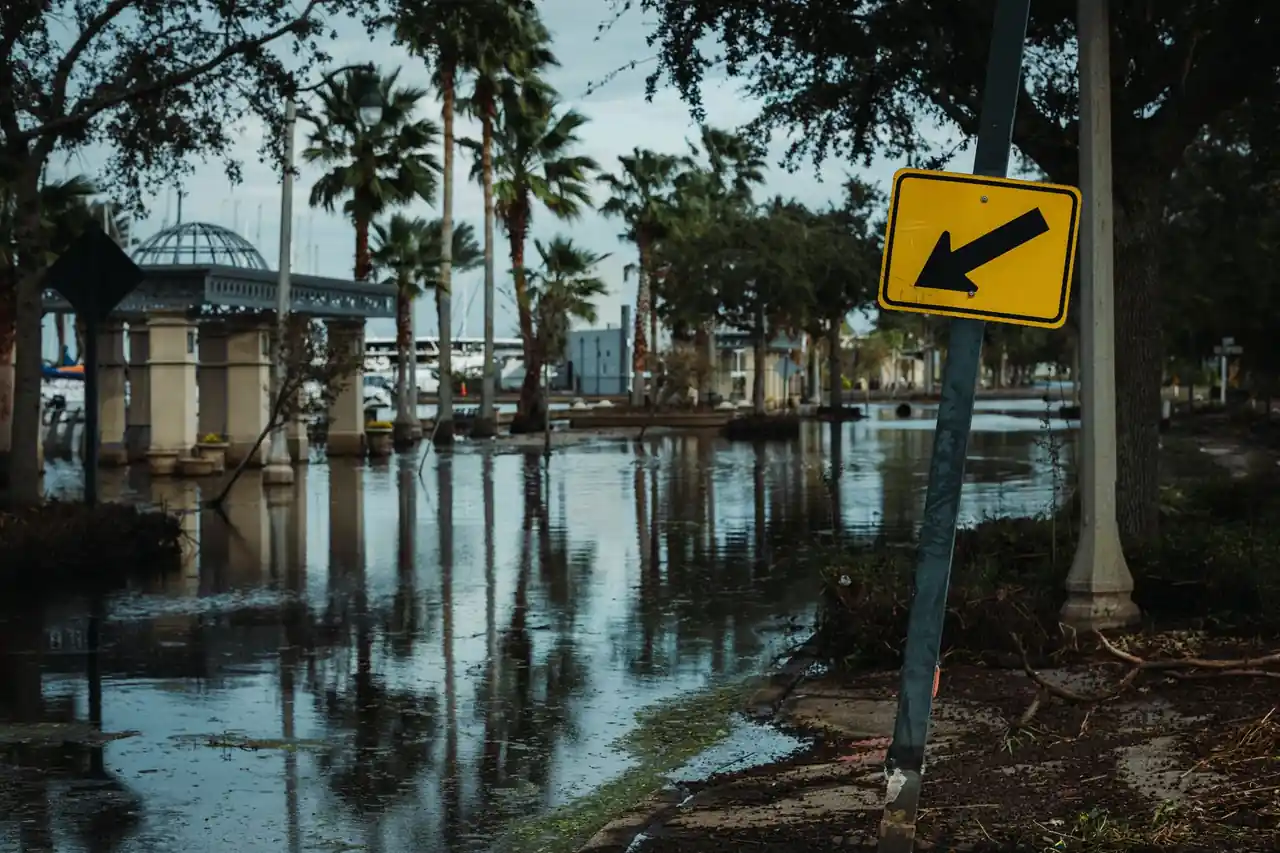
We use these to measure moisture in materials and humidity in the air. Readings tell us when to adjust equipment and when the structure is dry.
Thermal views are illustrative, generated from the photographs.
These show temperature differences that reveal hidden moisture behind walls and under floors. We use them to map the wet zone without cutting.
We use these to look inside wall cavities and crawl spaces. They help us confirm the water source and check that drying is working.
We follow the IICRC S500 standard for water damage and drying. It sets the categories and classes of water loss and the drying goals for each material. Following it keeps the job consistent and defensible for insurance.
We log readings every day with moisture meters and hygrometers. That data tells us whether to add equipment, move it, or pull it out. It also gives you a record of the drying progress.
We hang plastic sheeting to keep drying air where it works and to limit dust and spores. Containment matters most on sewage and mold-related jobs. It also keeps conditioned air from escaping.
We apply antimicrobial solutions and mold inhibitors to wet framing, drywall, and insulation where needed. This limits mold growth during the drying window. It is standard on category 2 and category 3 losses.

A burst pipe floods a hallway and two bedrooms in a slab-on-grade home in North Arlington.
We extract standing water, pull wet carpet and pad, and set air movers and dehumidifiers. We check the slab and baseboards with moisture meters and dry the drywall in place where readings allow.
Outcome: Most rooms hit dry standard in 3 to 5 days. Carpet and pad are replaced, drywall stays, and you get a drying log for the claim.
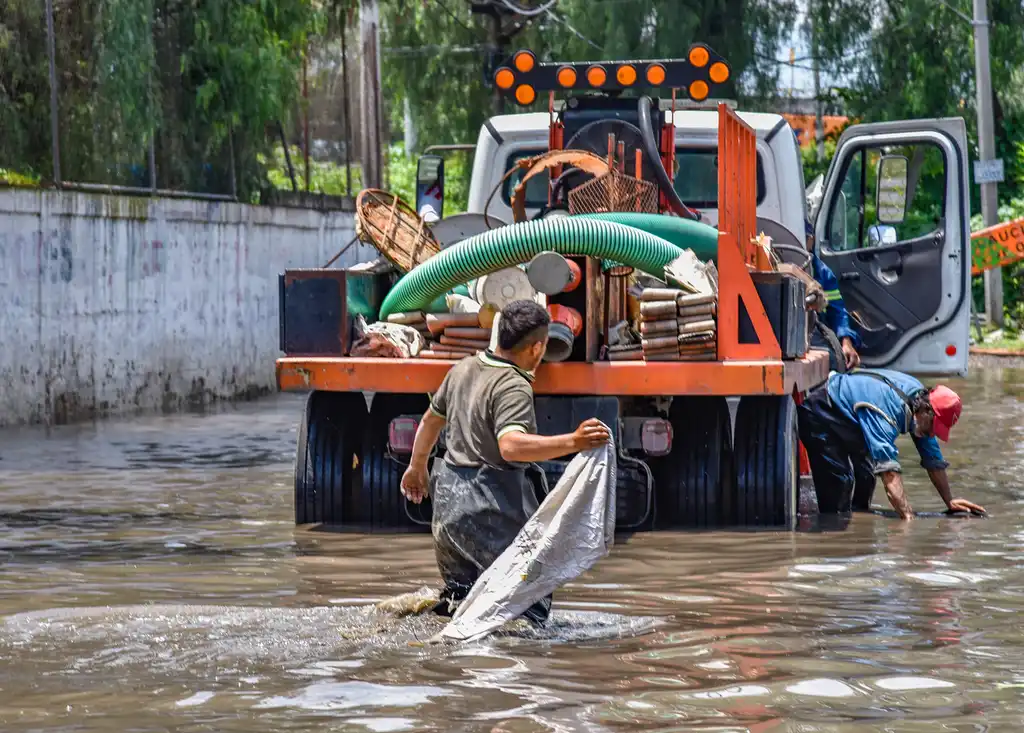
A sewage backup soaks a utility room and part of a kitchen in Southeast Arlington.
We extract the contaminated water, remove affected materials, apply antimicrobial solutions, and set drying equipment. We treat the area as category 3 and protect the rest of the home with plastic sheeting.
Outcome: The structure dries in 4 to 6 days, contaminated materials are gone, and the space is disinfected and documented.

A spring storm pushes water under a door and across a living room in Viridian.
We extract the water, check for wall and baseboard saturation, and set air movers and dehumidifiers. We also check the exterior for where water entered so it can be sealed.
Outcome: The floor and walls dry in 3 to 4 days, and you know where to seal before the next storm.

A commercial kitchen in the Entertainment District has a supply line leak overnight.
We work before opening hours to extract water and set drying equipment. We use portable extractors and dehumidifiers sized for the space, and we document readings for the property manager.
Outcome: The kitchen reopens the same day with drying equipment running, and the structure hits dry standard in 3 to 5 days.
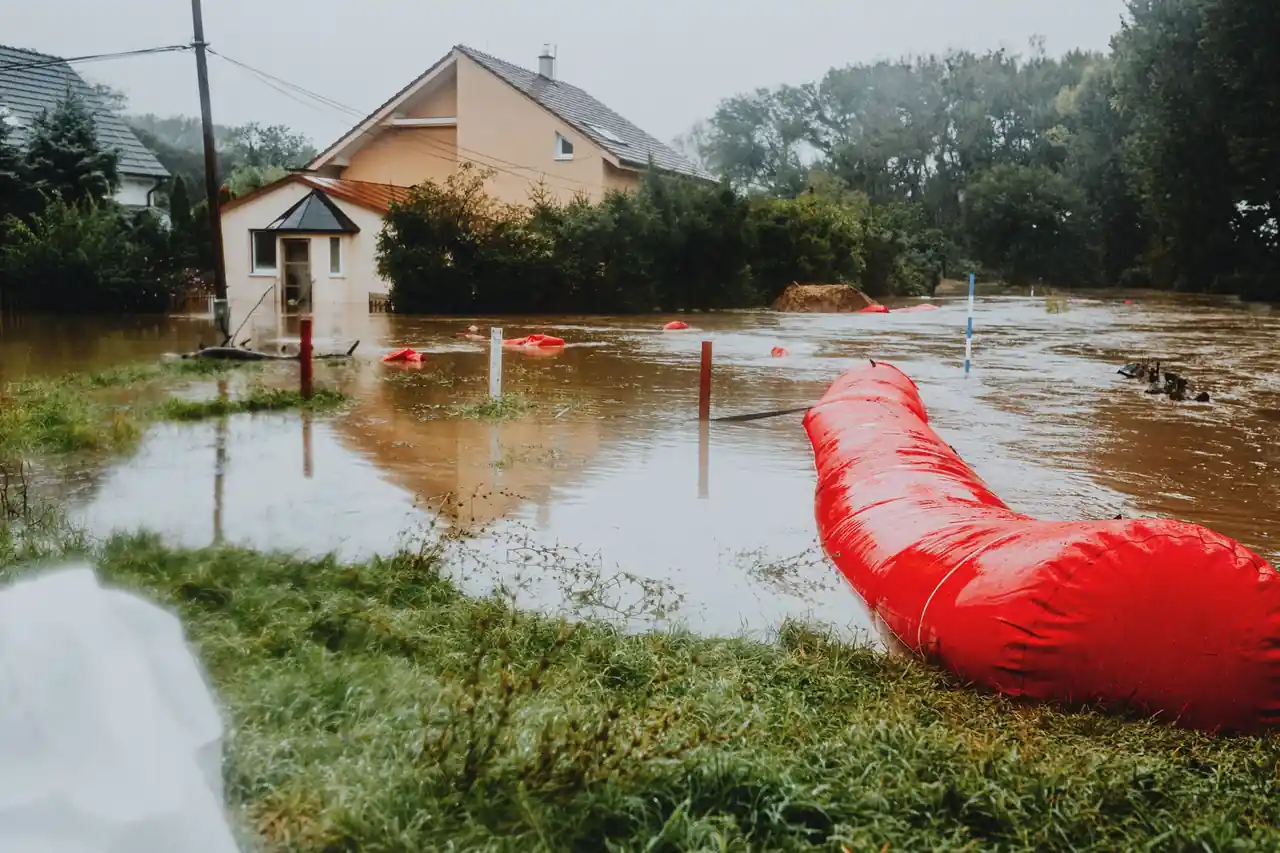
A crawl space under a pier-and-beam home in Pantego stays wet after heavy rain.
We extract standing water, place air movers and dehumidifiers, and monitor joists and insulation with moisture meters. We also flag drainage issues that let water back in.
Outcome: The crawl space dries in 4 to 6 days, and the floor above stays stable.
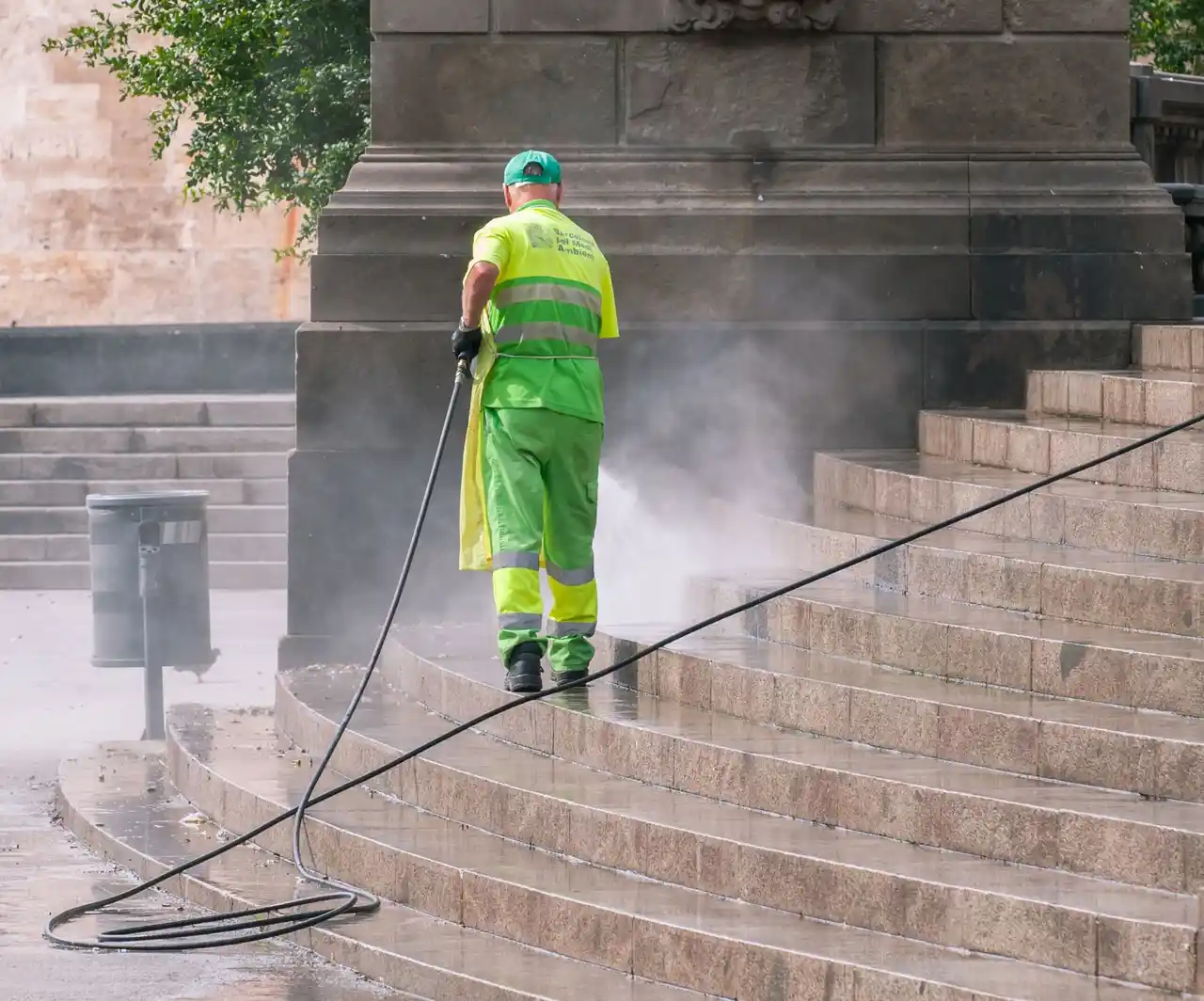
Arlington's climate swings hard. Summers push humidity up, and winter freezes can burst pipes in a single night. The clay-heavy soil in Tarrant County moves with moisture, which stresses slabs and foundation lines. That is why slab leaks and foundation-related water intrusion show up often in older neighborhoods. Building stock matters too.
Slab-on-grade homes common in North and South Arlington dry differently than pier-and-beam homes near Pantego and Dalworthington Gardens. We adjust airflow and equipment placement to the construction type. If you need emergency structural drying arlington, we bring truck-mounted extractors, air movers, and dehumidifiers sized for the space.
We also check for roof leaks after spring hail and storm water intrusion in Viridian and Southeast Arlington. Every job gets moisture readings and a drying log.

Before: A slab leak soaked a hallway and two bedrooms. Carpet was saturated, baseboards were wet, and moisture readings in the drywall were high. The homeowner had not noticed until the floor felt soft underfoot.
After: We extracted the water, pulled wet carpet and pad, and set air movers and dehumidifiers. Drywall dried in place. Readings hit dry standard in 4 days. The homeowner replaced carpet and pad only, saving the drywall and baseboards.
We recommended checking the slab and foundation line annually. A moisture meter reading on the slab every few months can catch a slow leak before it soaks the floor again.
Before: A blocked line backed sewage into a utility room and part of a kitchen. The water was category 3, and the flooring and lower drywall were contaminated. The homeowner called after noticing the smell.
After: We extracted the water, removed contaminated materials, applied antimicrobial solutions, and set drying equipment. The structure dried in 5 days. Final readings were dry, and the space was disinfected and documented for the claim.
We suggested a yearly sewer line check and avoiding pouring grease down the drain.
Before: A spring storm pushed water under a patio door and across a living room. The carpet was wet, and water had reached the baseboards and lower drywall. The homeowner caught it the same morning.
After: We extracted the water, checked wall and baseboard saturation, and set air movers and dehumidifiers. The floor and walls dried in 3 days. We also identified the door seal as the entry point so it could be fixed.
We recommended checking and resealing the patio door before storm season. A door sweep and fresh sealant keep water out during heavy rain.
Water hides in walls, floors, and ceilings. These are the problems we see most in arlington and how we fix them.
Measured drying saves materials and documents the result.
We dry drywall in place instead of cutting it out when readings allow. That keeps your paint, texture, and baseboards intact. On a typical 12-by-14 room, drying in place saves 4 to 6 sheets of drywall and the labor to hang, tape, and float them. Most rooms hit dry standard in 3 to 5 days with daily monitoring.
Mold growth can begin in 24 to 48 hours on wet drywall and insulation. We apply antimicrobial solutions and mold inhibitors, then keep humidity below 60 percent with dehumidifiers. Getting the structure dry in 3 to 5 days closes the window before spores colonize. That is the whole point of professional structural drying arlington TX.
Hardwood floor cupping and crowning are reversible if you dry fast. We use floor drying mats and controlled air movement to pull moisture from the boards and subfloor without warping them further. Most cupped floors flatten within 5 to 7 days when we start within 48 hours of the leak. Wait a week and you are looking at a full tear-out.
Drying costs less than rebuilding. A 500-square-foot water loss that dries in place runs a fraction of the cost of removing and replacing drywall, insulation, and flooring. We document moisture readings and photos in Xactimate so your adjuster sees the scope clearly. That documentation is why building structural drying arlington gets approved faster.
Clear records you can keep and share.
Daily readings and equipment notes
Before and after images
Wet zone and dry standard
What ran and for how long
The category of water decides how we dry and what we remove.
Clean water from a supply line
Gray water with some contamination
Black water from sewage or floods
A list like this tells people straight away whether you cover their street. Not listed? Call and ask: it only takes a minute.
Based in arlington and covering the places around it. Pick one for local details.
Most structural drying jobs in arlington TX take 3 to 5 days. Carpet and drywall often dry in 3 days, while hardwood, dense subfloor, and plaster can take 5 to 7. We check moisture readings daily and pull equipment as soon as each material hits dry standard. If readings stall, we adjust equipment placement and airflow rather than just letting it run.
Larger commercial losses and sewage backups cost more. Most homeowner insurance policies cover structural drying for water damage arlington Texas when the loss is sudden and accidental. We document everything for your claim.
Structural drying in arlington Texas is the process of removing moisture from building materials like drywall, insulation, hardwood, and framing after a water leak or flood. It uses air movers, dehumidifiers, and moisture meters to dry the structure in place rather than tearing it out. The goal is to return materials to dry standard before mold grows or rot sets in.
Yes. Water does not wait for business hours, and neither do we. Call and we will dispatch a crew with extraction and drying equipment. Getting air movers and dehumidifiers running in the first few hours is what limits damage. We also serve Tarrant County neighborhoods like Pantego and Dalworthington Gardens.
Other services from the same team.
Water spreads while you wait. Call us and we will dispatch a crew with extraction and drying equipment. We measure the moisture, explain what we find, and start drying the same day. One call gets your structure on the path to dry.
Call us any time and describe what happened. We ask a few questions about the water source and how long it has been running, then get a crew headed your way. If you prefer email, send photos of the damage and we will follow up with next steps.