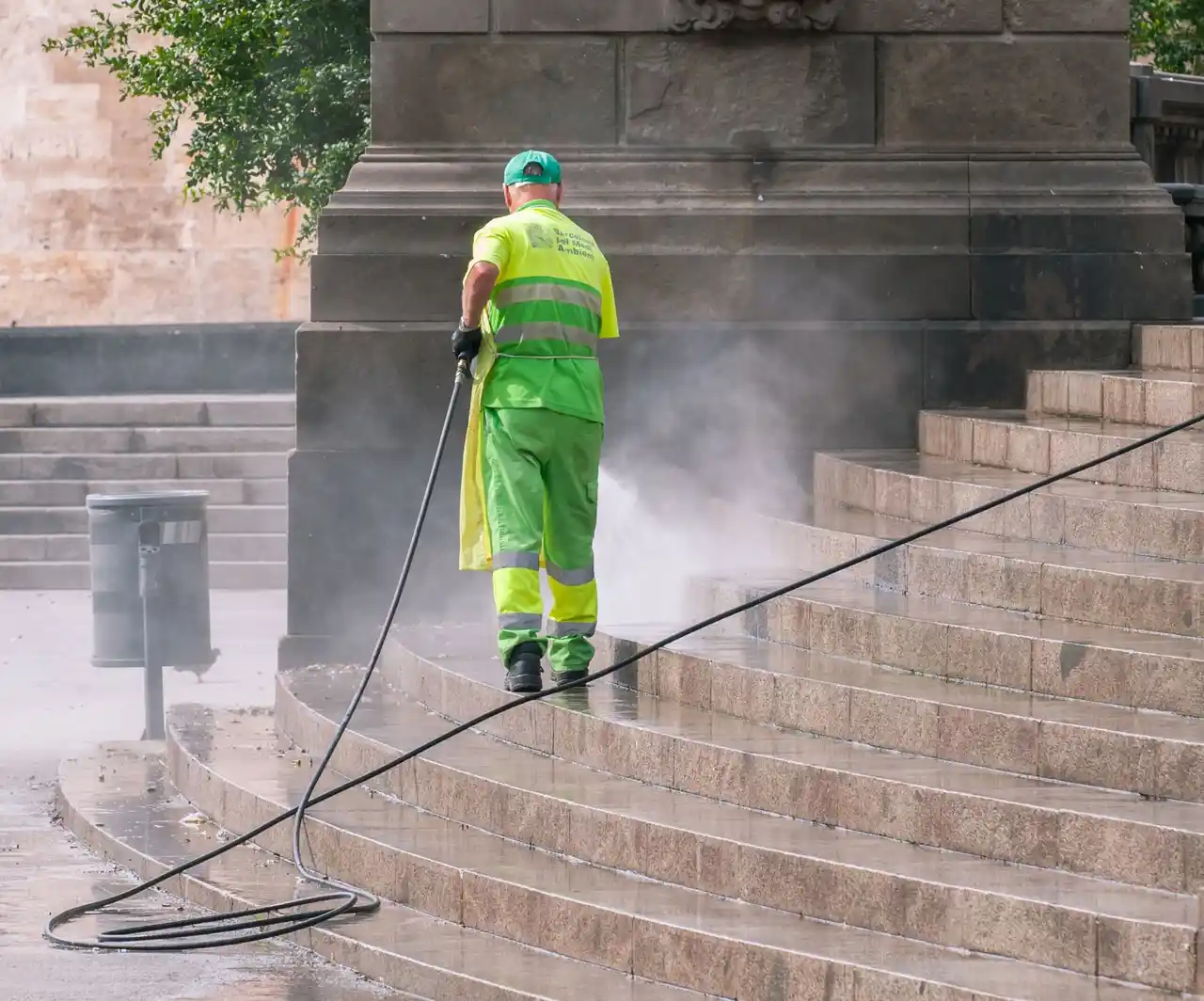
For homes
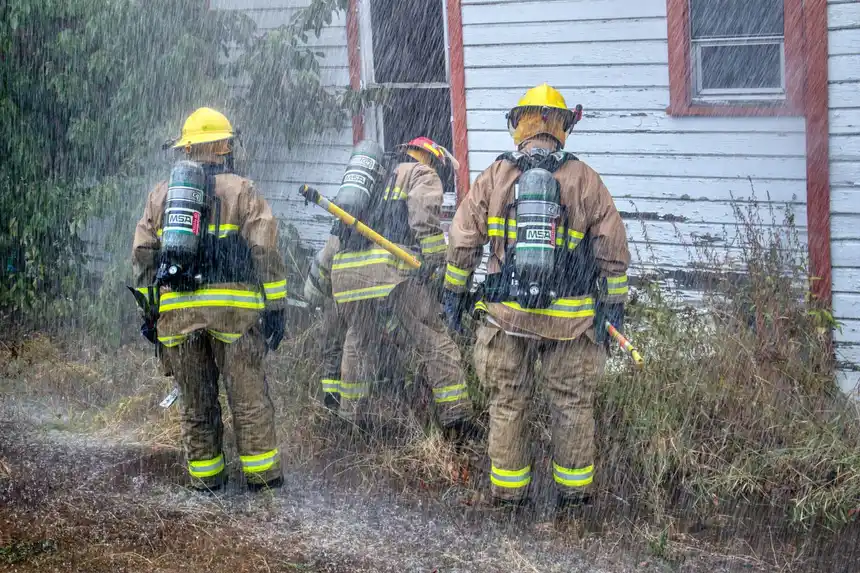
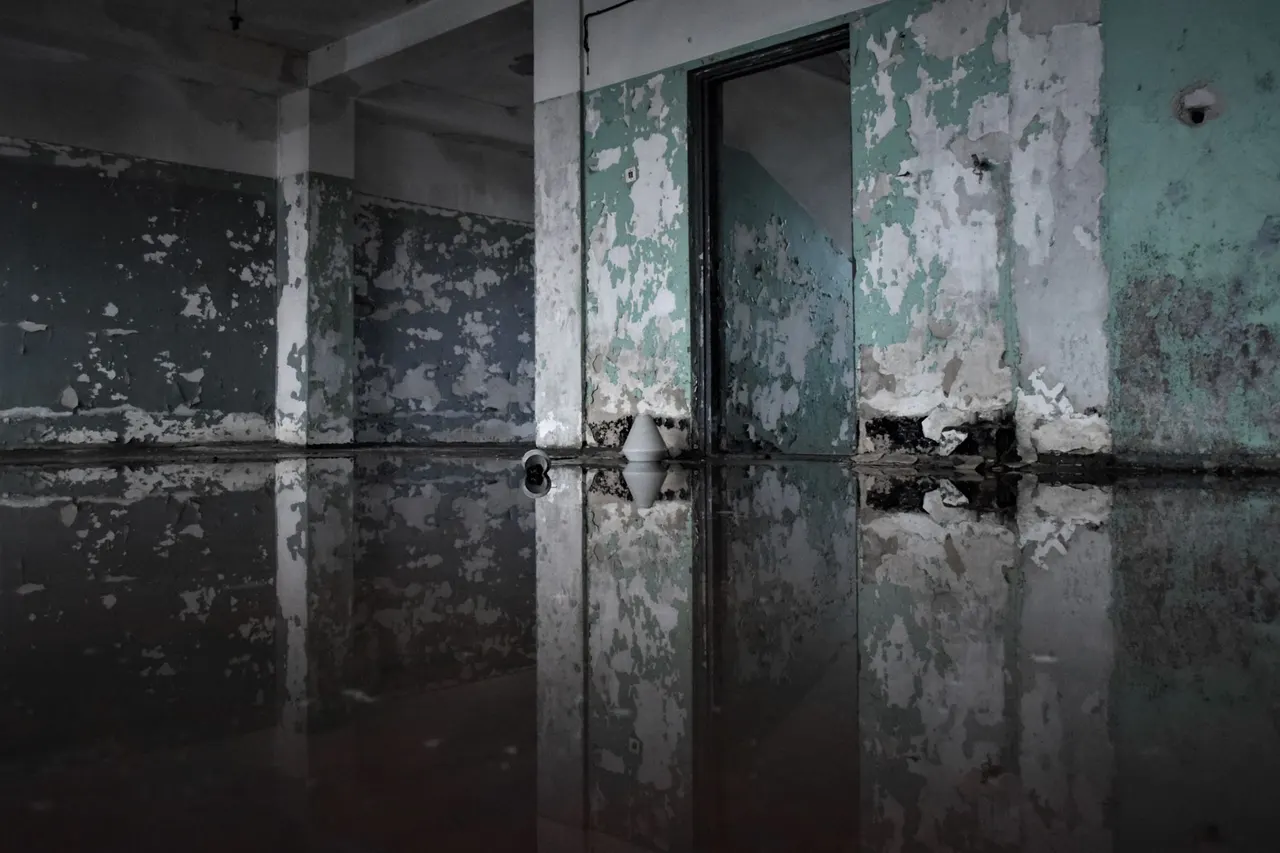
We help homeowners and renters deal with flooded rooms, wet floors, and damp crawl spaces. Our team extracts water, dries the structure, and checks for hidden moisture.
- Burst pipe under sink
- Storm water in basement
- Wet carpet after leak
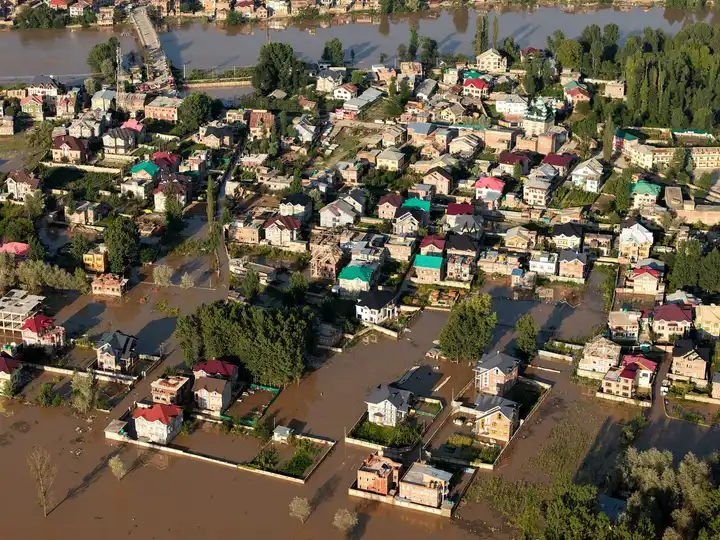
When water is rising in your Arlington home, every minute counts. We handle everything from burst pipes to storm water intrusion, working directly with your insurance to get your life back to normal fast.
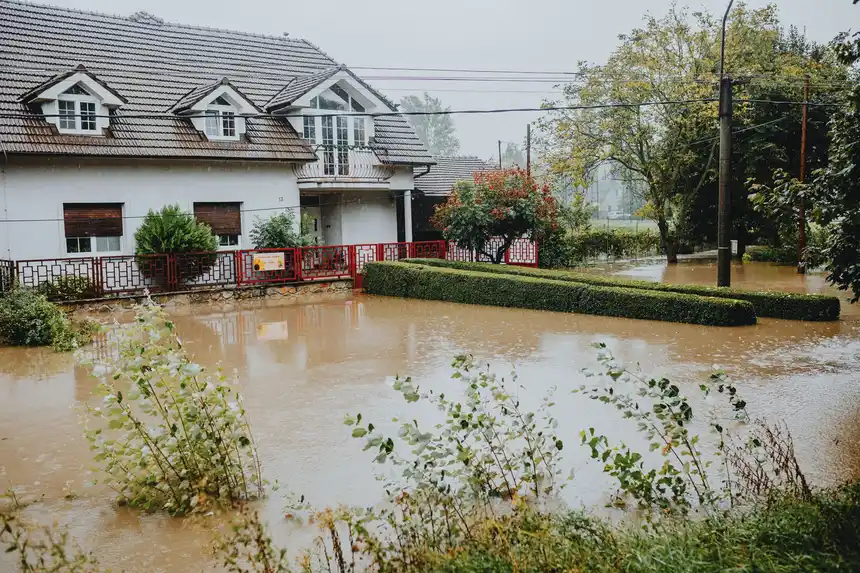 Check moistureExtract waterDry structure
Our flood damage cleanup service covers the full scope of water removal, drying, and mold prevention. We handle everything from emergency extraction to final moisture checks. If additional repairs are needed after drying, we can provide those as part of the same project.
We remove standing water using truck-mounted and portable extractors. This includes water in carpets, hardwood, and concrete surfaces. We also extract from tight spaces like closets and under cabinets.
We set air movers and dehumidifiers based on the size of the affected area. Drying equipment runs continuously until moisture readings return to normal. We monitor daily and adjust as needed.
After extraction, we apply antimicrobial solutions to affected framing, drywall, and floors. This prevents mold and bacteria growth. We also use deodorizers to eliminate musty odors left by flood water.
We use thermal imaging cameras and moisture meters to map water migration. Every reading is logged, and you receive a drying report at the end. This documentation supports your insurance claim.
We move furniture and belongings to safe areas and use plastic sheeting to protect items that cannot be moved. If needed, we can pack out and store contents during the drying process.
Before we remove equipment, we do a final moisture check to confirm the structure is dry. You get a written report showing pre- and post-drying readings. We also walk you through what to watch for.
The approach is the same for a home and a business. What changes is the access, the schedule and who needs the paperwork.
We help homeowners and renters deal with flooded rooms, wet floors, and damp crawl spaces. Our team extracts water, dries the structure, and checks for hidden moisture.
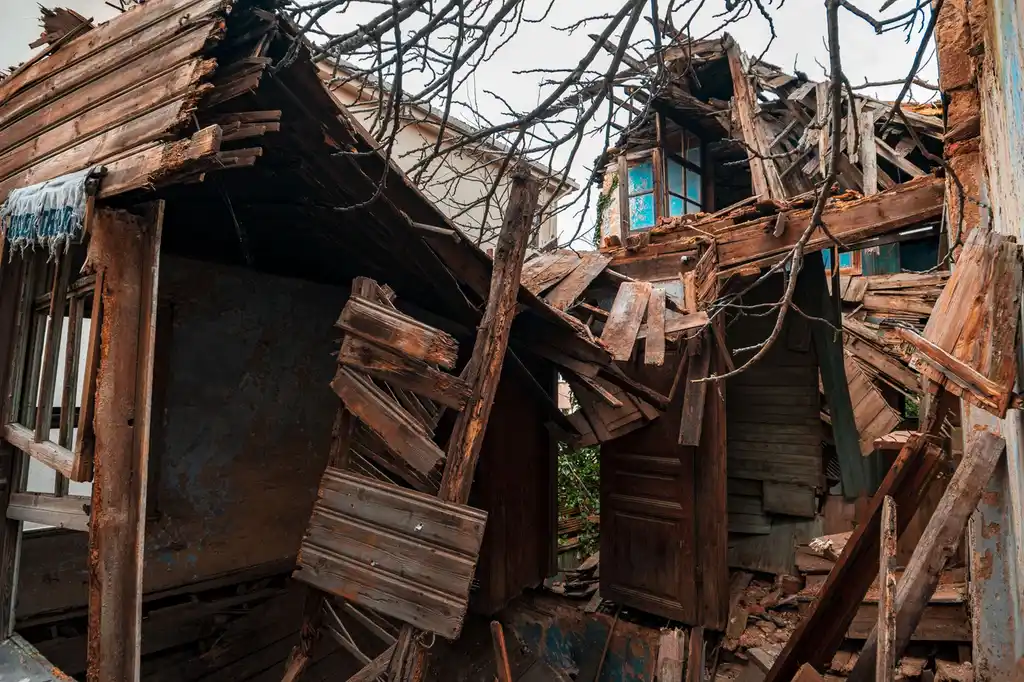
We help business owners and property managers get their spaces dry and back in operation. We work around your schedule to minimize downtime and document everything for your records.
A plain-language look at what Flood Damage Cleanup involves and when it is needed.
See how it worksFlood damage cleanup is not just pumping water out of a room. It is a multi-phase process that starts with finding every source of moisture, extracting standing water, and then drying the structure to prevent mold growth and structural failure. In Arlington, we see everything from slab leaks in older ranch homes to storm water intrusion after heavy spring rains. Our technicians use moisture meters, thermal imaging cameras, and hygrometers to map exactly where water has traveled, even behind walls and under floors.
Arlington sits in Tarrant County where clay soil shifts with wet and dry cycles, cracking foundations and stressing pipes. That means a small leak can turn into a flooded slab before you notice. We also see plenty of frozen pipe bursts during winter freezes and sewage backups when heavy rain overwhelms municipal lines. If you are searching for flood damage cleanup near me arlington TX, you need a crew that understands these local conditions and can act before secondary damage sets in.
Flood damage cleanup removes water, dries the structure, and prevents mold from taking hold.
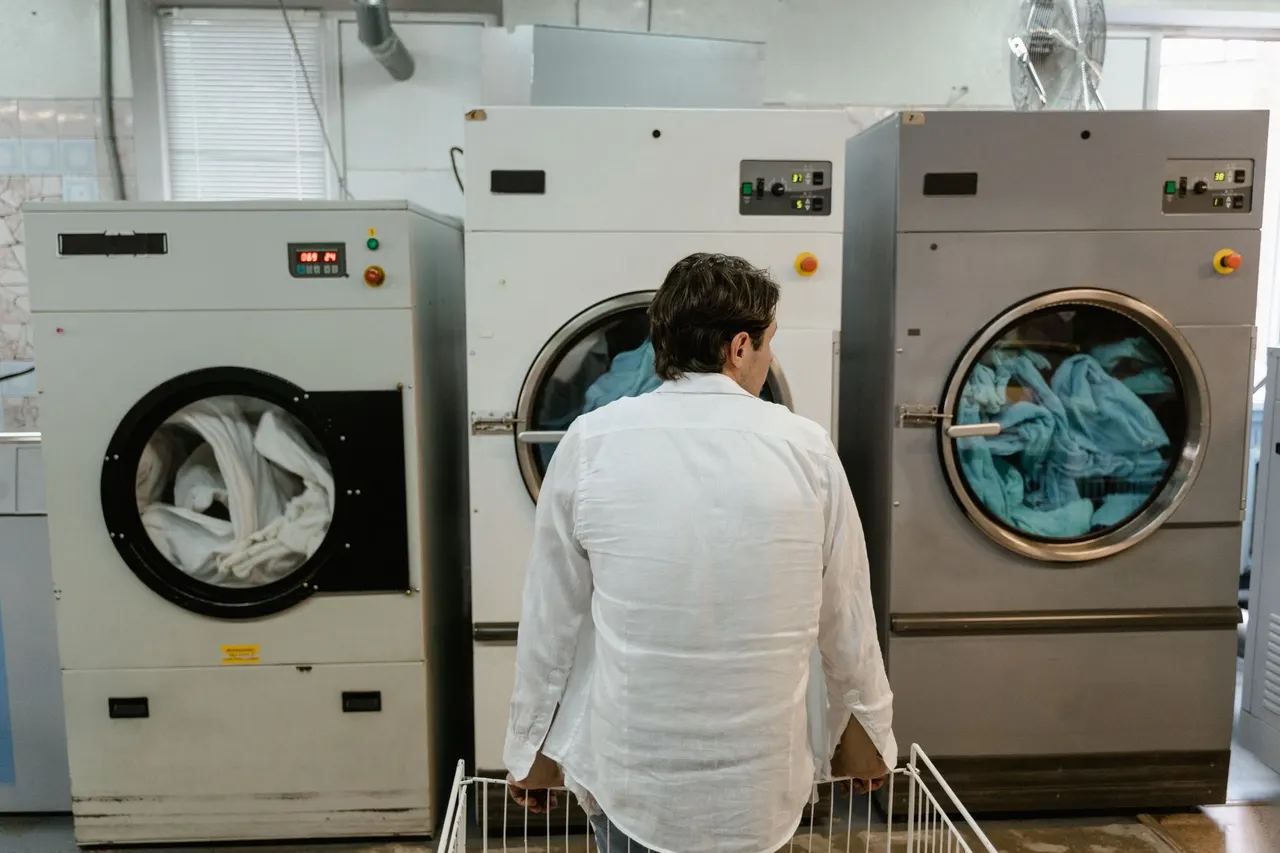
From the first call to the final moisture check, here is exactly what happens when you hire our flood damage restoration arlington TX team.
You call, we answer. We ask about the source, how long water has been sitting, and whether electricity is safe. Within minutes we dispatch a crew with extraction equipment and drying gear. You get a text with the technician name and estimated arrival time.
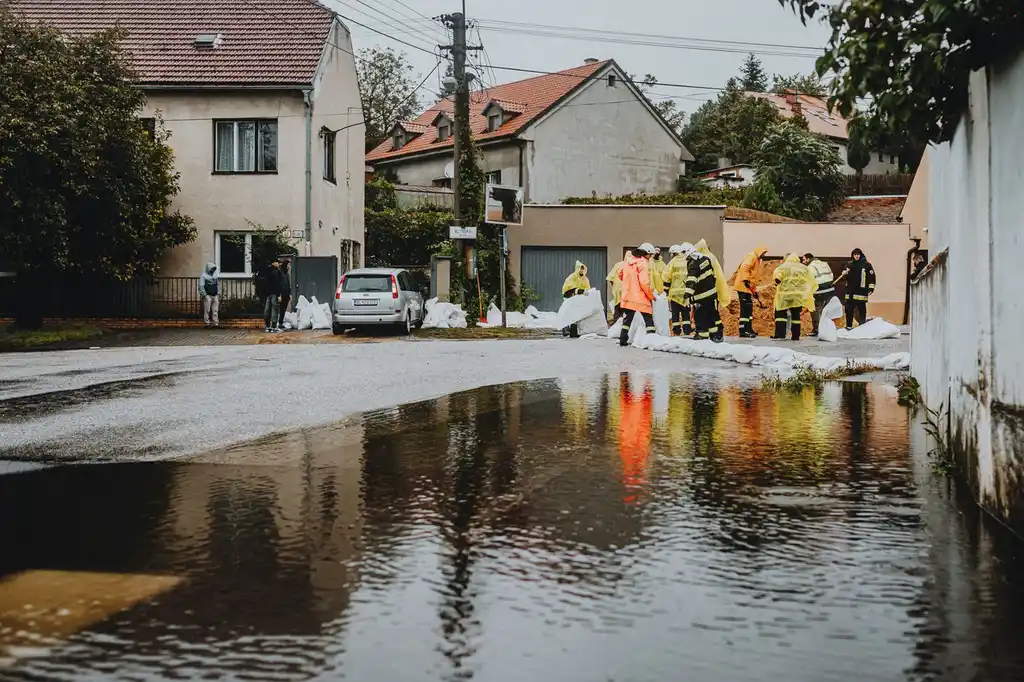
On arrival, we walk the property with you and use thermal imaging cameras and moisture meters to find hidden water. We check under floors, inside walls, and in crawl spaces. You see the readings and understand exactly what we are dealing with before any work begins.
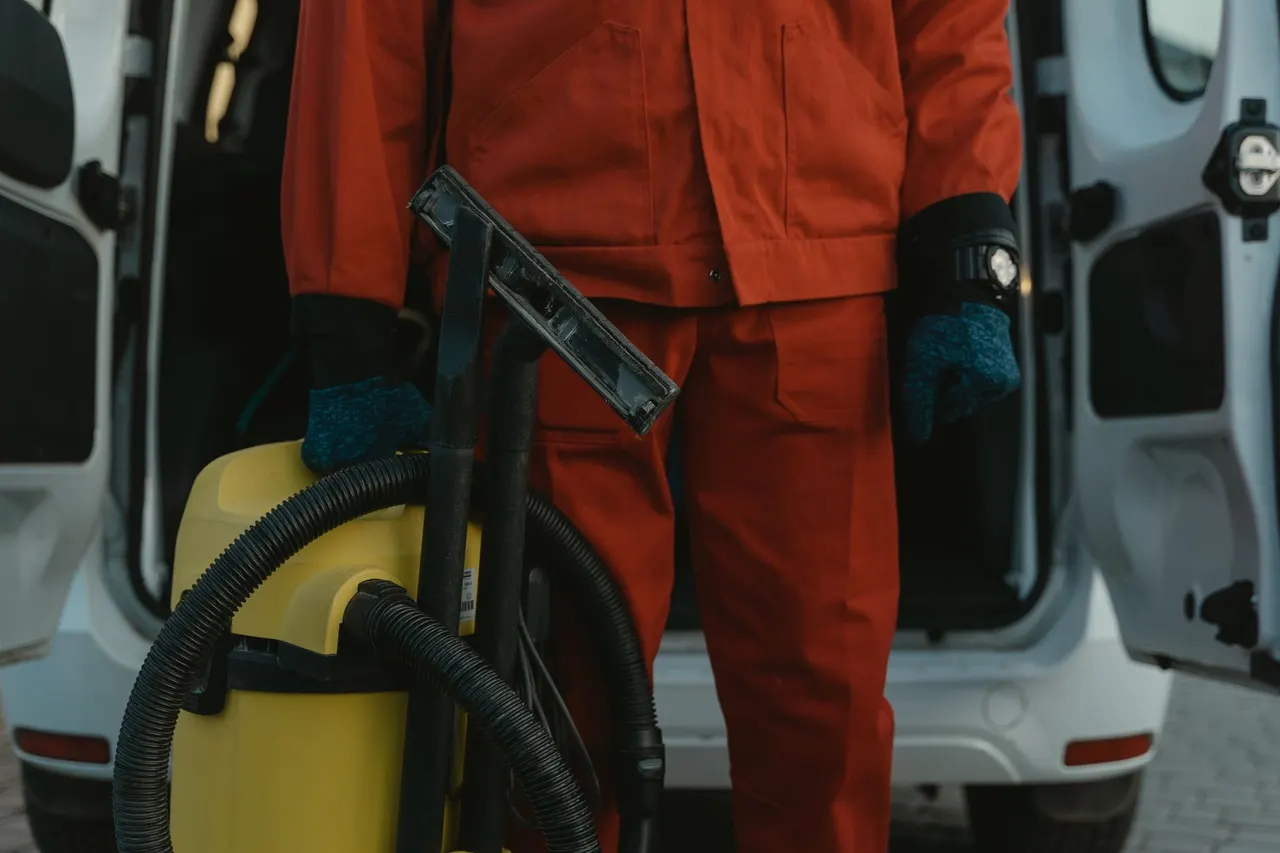
Truck-mounted extractors pull standing water from carpets, hardwood, and concrete. For tight spaces like closets or under cabinets, we use portable extractors and wet vacuums. This phase typically takes two to four hours depending on volume and accessibility.
We set air movers and dehumidifiers based on the size of the affected area and the materials involved. Drywall, insulation, and hardwood all dry at different rates. We monitor with hygrometers daily and adjust equipment until moisture levels return to normal.
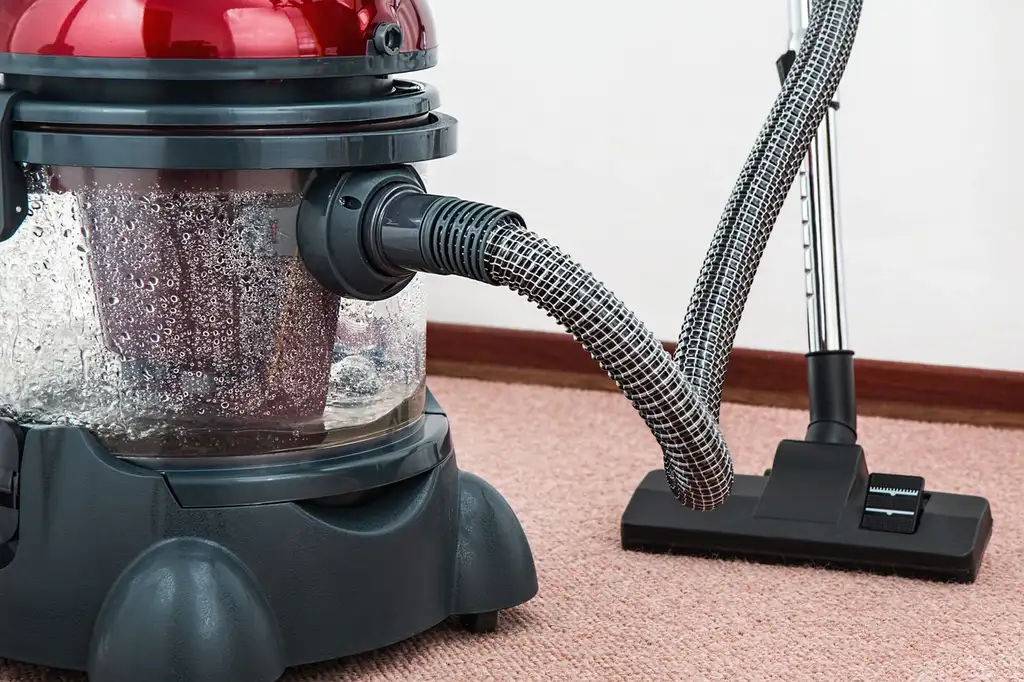
Once drying is complete, we do a final moisture check and provide a written drying report. We walk you through what was done, what to watch for, and how to prevent future issues. If any repairs are needed, we can handle those too.
Move across a circle, or focus it and press Enter, for an illustrative thermal view of the photograph.
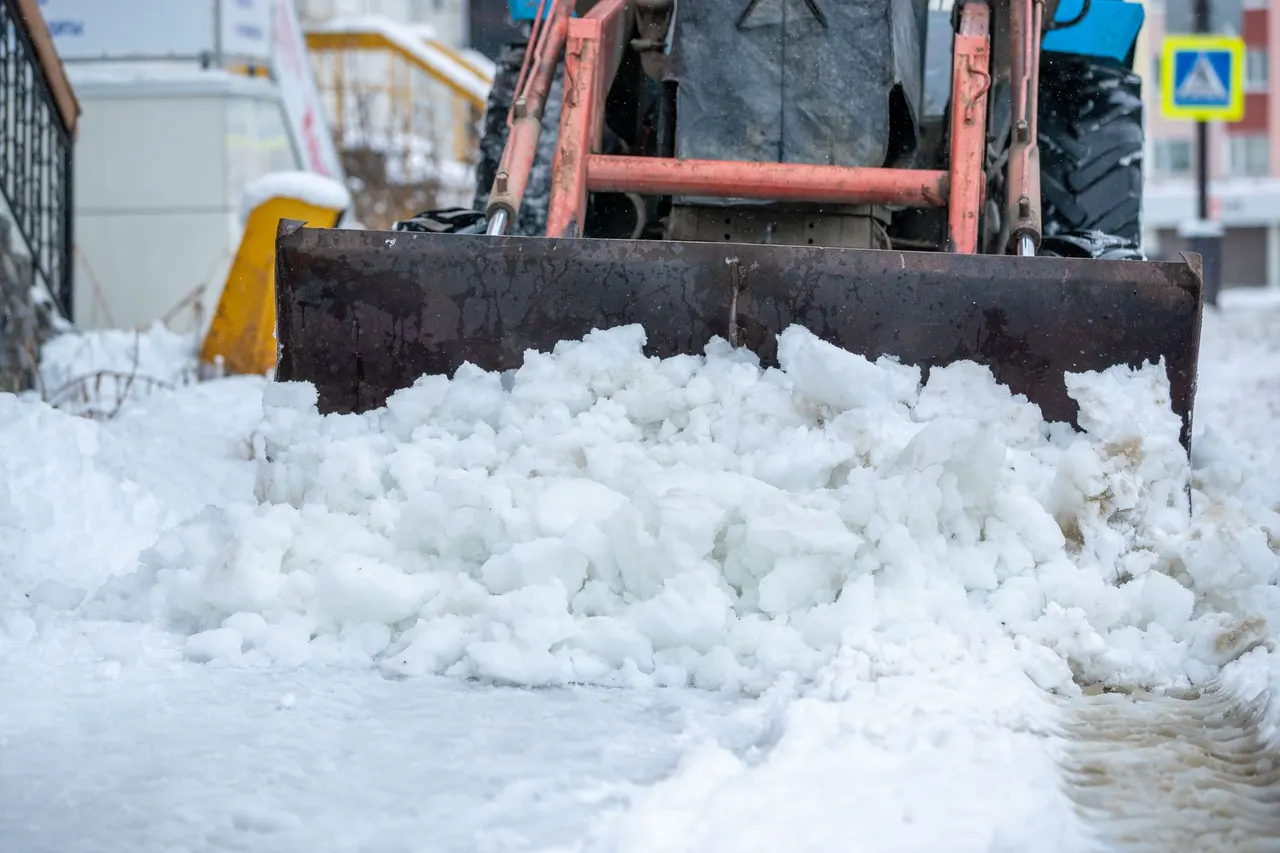
These powerful units pull hundreds of gallons of water per hour from carpets and hard surfaces, far faster than portable units.
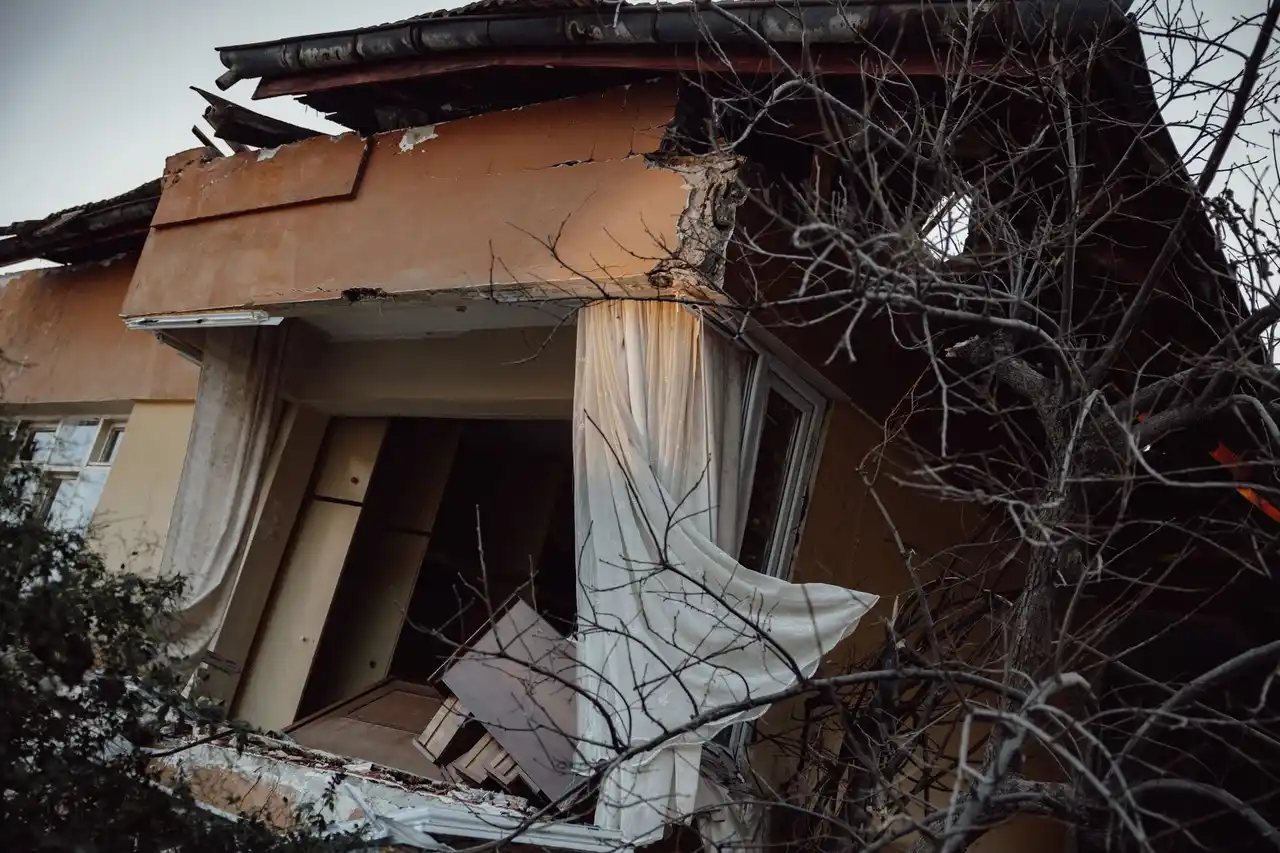
We use these to see temperature differences behind walls and under floors, revealing hidden water that moisture meters might miss.
These tools measure moisture content in materials and humidity in the air, allowing us to track drying progress with numbers.
We position these based on calculated evaporation rates to dry walls, floors, and ceilings efficiently without over-drying.
For hard-to-dry areas like crawl spaces, desiccants pull moisture from the air more effectively than standard dehumidifiers.
Thermal views are illustrative, generated from the photographs.
We apply these to affected surfaces to kill bacteria, mold spores, and viruses, preventing secondary damage.
This standard guides our drying process, from initial inspection to final moisture checks. It ensures we dry to proven targets, not guesswork.
We create a map of moisture readings across the affected area. This helps us track drying progress and identify any areas that need more attention.
For walls and ceilings, we use injection drying to force air into cavities without removing drywall. This saves time and reduces repair costs.
We apply antimicrobial solutions to all affected framing and surfaces. This prevents mold growth during the drying process and after.

A pipe bursts in your attic during a winter freeze, sending water down through ceilings and walls.
We extract water from ceilings, walls, and floors, then set up drying equipment. We also check for hidden moisture in insulation and framing using thermal imaging.
Outcome: Your home is dried without mold growth, and we provide documentation for your insurance claim.
Heavy spring rains cause your crawl space to flood, creating a humid environment under your home.
We pump out standing water, set specialized drying equipment, and apply mold inhibitor to floor joists and foundation walls.
Outcome: Your crawl space is dry, and your foundation is protected from long-term moisture damage.
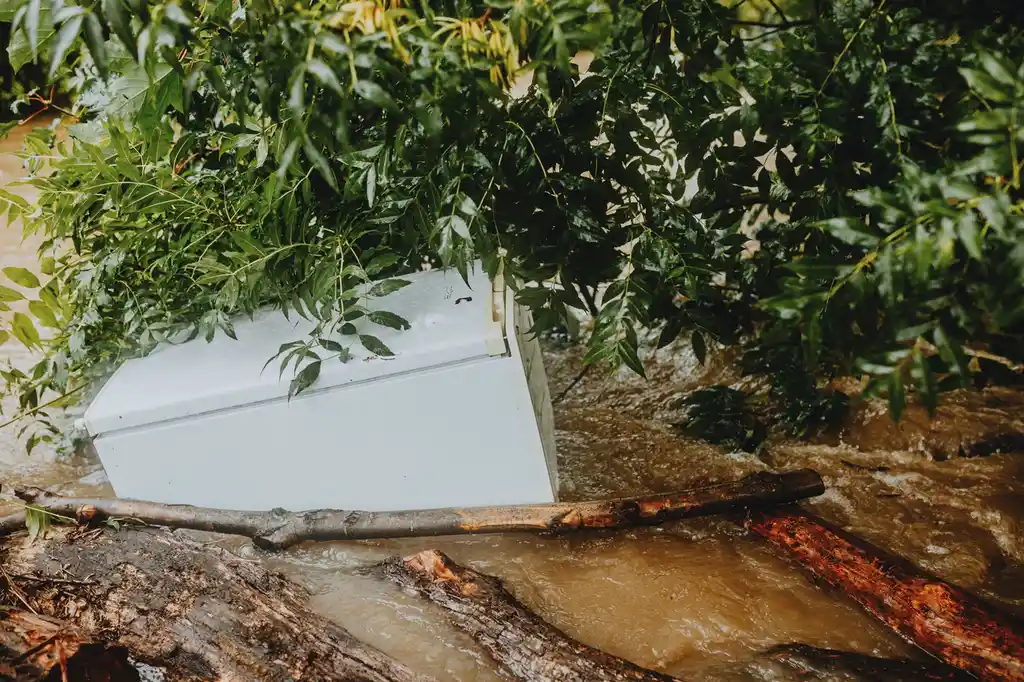
A sewage backup fills your basement with contaminated water after a storm.
Our team extracts the water, removes contaminated materials, and disinfects the area according to health codes. We also dispose of waste safely.
Outcome: Your basement is safe and clean, and the risk of bacteria and viruses is eliminated.
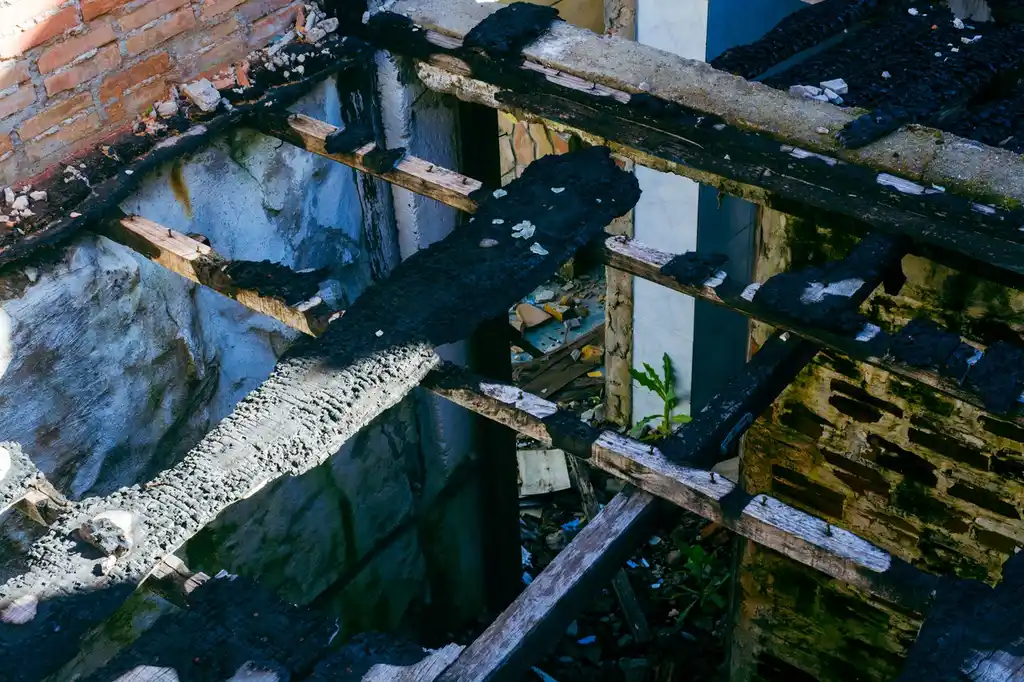
Your washing machine supply line leaks overnight, soaking carpet and padding in the hallway.
We extract water from carpet and pad, lift carpet if needed, and dry the subfloor. We also treat for mold prevention.
Outcome: Your carpet is saved, and the subfloor is dry, preventing long-term damage.
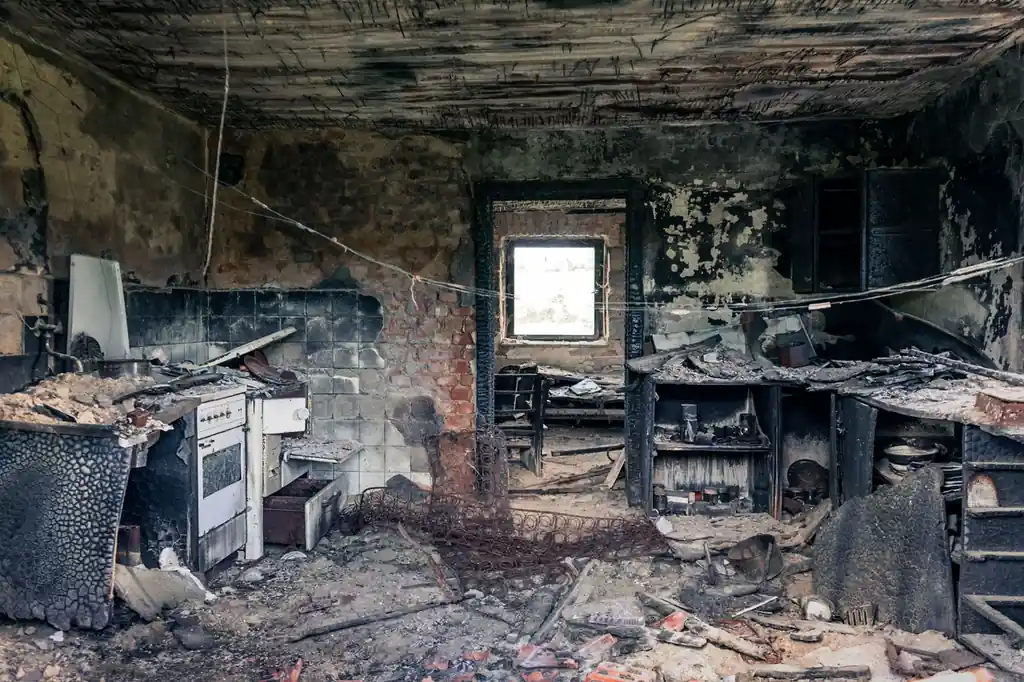
A storm blows shingles off your roof, allowing water to drip into your living room ceiling.
We tarp the roof to stop further intrusion, extract water from the ceiling and floor, and dry the affected area.
Outcome: Your ceiling is dried and repaired, and further water damage is prevented.
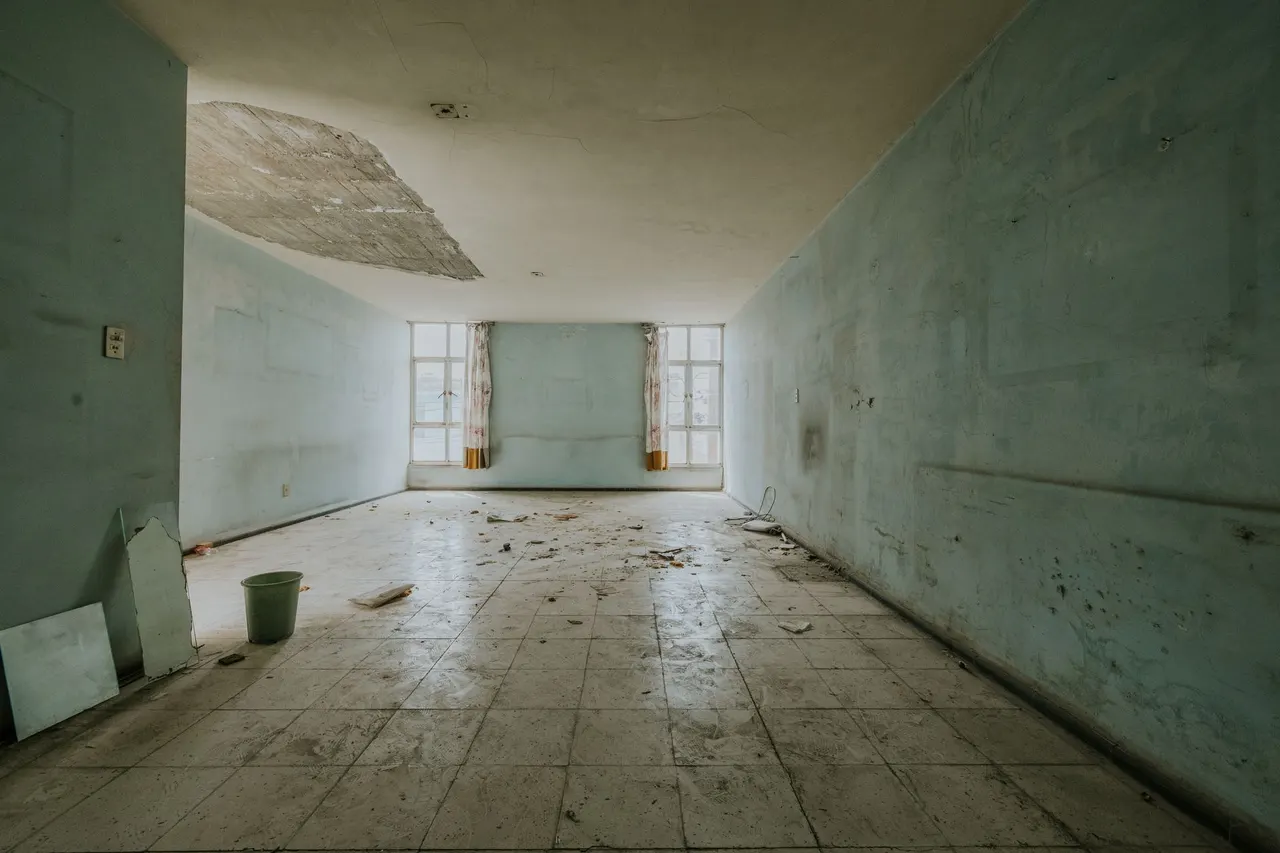
Arlington's climate creates specific flooding risks. Spring storms bring heavy rain that overwhelms drainage systems, while winter freezes cause pipes to burst in attics and crawl spaces. The clay soil in Tarrant County expands and contracts, cracking foundations and shifting pipes. Older homes in neighborhoods like Interlochen and Dalworthington Gardens often have cast iron plumbing that corrodes over time.
Newer builds in Viridian and Southeast Arlington may have PEX piping, but that does not make them immune to slab leaks. When you search for flood damage cleanup near me arlington TX, you need a team that understands these local conditions. We have dried homes after ice storms, flash floods, and sewage backups. We know which neighborhoods flood first and which materials are most common in each area.
Before: A supply line burst in the attic during a January freeze. Water ran down through two floors, soaking drywall, insulation, and hardwood. The homeowner called us at 6 a.m. and we arrived within 45 minutes.
After: We extracted 120 gallons of water, removed saturated insulation, and set up drying equipment for four days. Moisture readings returned to normal, and we repaired the drywall. The hardwood was saved with floor drying mats.
We recommended insulating attic pipes and installing a water leak detector. The homeowner also scheduled annual plumbing inspections to catch corrosion early.
Before: A commercial building experienced a sewage backup after heavy rain overwhelmed the city line. Contaminated water covered 800 square feet of office space, including carpet and drywall.
After: We extracted the water, removed contaminated materials, and disinfected the area. Air scrubbers ran for three days to remove odors. The space was back in operation within a week.
We advised the property manager to install a backflow preventer and schedule regular sewer line inspections to prevent future backups.
Before: After a week of spring storms, a homeowner noticed a musty smell and high humidity inside. We found standing water in the crawl space and mold starting on floor joists.
After: We pumped out 200 gallons, applied mold inhibitor, and ran desiccants for five days. Humidity dropped from 85% to 50%, and mold growth was stopped.
We recommended a crawl space encapsulation and a sump pump to keep water out during future storms.
Flooding creates a chain reaction of problems if not addressed quickly. Here are the most common issues we solve for Arlington homeowners and how we handle them.
A dry home and a documented job you can trust.
Water spreads fast through drywall and insulation. We arrive with truck-mounted extractors and portable units ready to pull hundreds of gallons per hour. The faster we extract, the less structural drying you need later. Most Arlington jobs see standing water removed within the first two hours on site.
Our IICRC Water Restoration Technicians follow the S500 standard for drying. We set air movers and dehumidifiers based on calculated evaporation rates, not guesswork. You get daily moisture readings and a drying log so you can see progress in numbers, not just promises.
Mold can start growing in 24 to 48 hours after flooding. We apply antimicrobial solutions to affected framing and use desiccants in hard-to-dry cavities like crawl spaces.
We document every step with photos, moisture maps, and Xactimate-compatible estimates. That means your adjuster gets the detail they need to approve your claim without back-and-forth. We have worked with every major carrier serving Tarrant County and know what they look for.
Clear records you can keep and share.
Daily moisture readings and equipment notes.
Before, during, and after photos.
Map of readings across affected areas.
Summary of work and final moisture readings.
Not all flood water is the same. The category determines how we handle extraction, disposal, and disinfection.
Clean water from a safe source.
Gray water with some contamination.
Black water, highly contaminated.
A list like this tells people straight away whether you cover their street. Not listed? Call and ask: it only takes a minute.
Based in arlington and covering the places around it. Pick one for local details.
Category 1 clean water costs less than Category 3 sewage backups. We provide a written estimate before work begins, and we bill insurance directly for covered losses.
Our flood damage cleanup and restoration arlington Texas service includes water extraction, structural drying, antimicrobial application, deodorization, and moisture monitoring. We also handle content manipulation, carpet and pad removal if needed, and provide a full drying report. If repairs are needed after drying, we can handle those too.
Extraction usually takes two to four hours. Structural drying takes three to five days for most Arlington homes, depending on materials and humidity. Hardwood floors and dense insulation take longer. We monitor daily and do not remove equipment until moisture readings confirm the structure is dry.
Yes. Call us any time, day or night, and we will dispatch a crew with extraction and drying equipment. The faster we start, the less secondary damage you deal with. Most Arlington addresses see a crew on site within 60 to 90 minutes.
Other services from the same team.
Water spreads fast, but so do we. Call now and we will dispatch a crew to your Arlington address within minutes.
Call us any time and describe what happened. We ask a few questions about the water source and how long it has been running, then get a crew headed your way. If you prefer email, send photos of the damage and we will follow up with next steps.