For homes
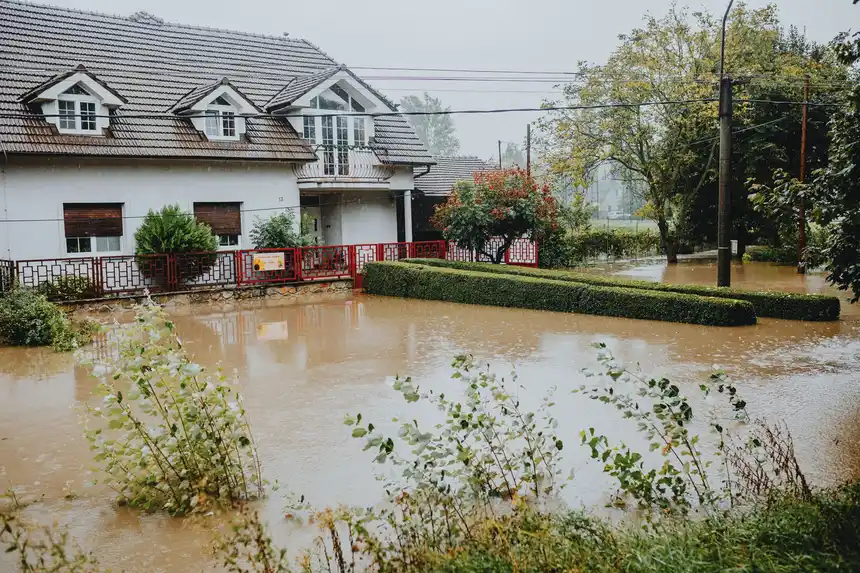
We extract water from carpet, hardwood, and tile in houses and apartments. You get a walk-through and a drying plan before equipment goes down.
- Burst supply lines
- Appliance leaks
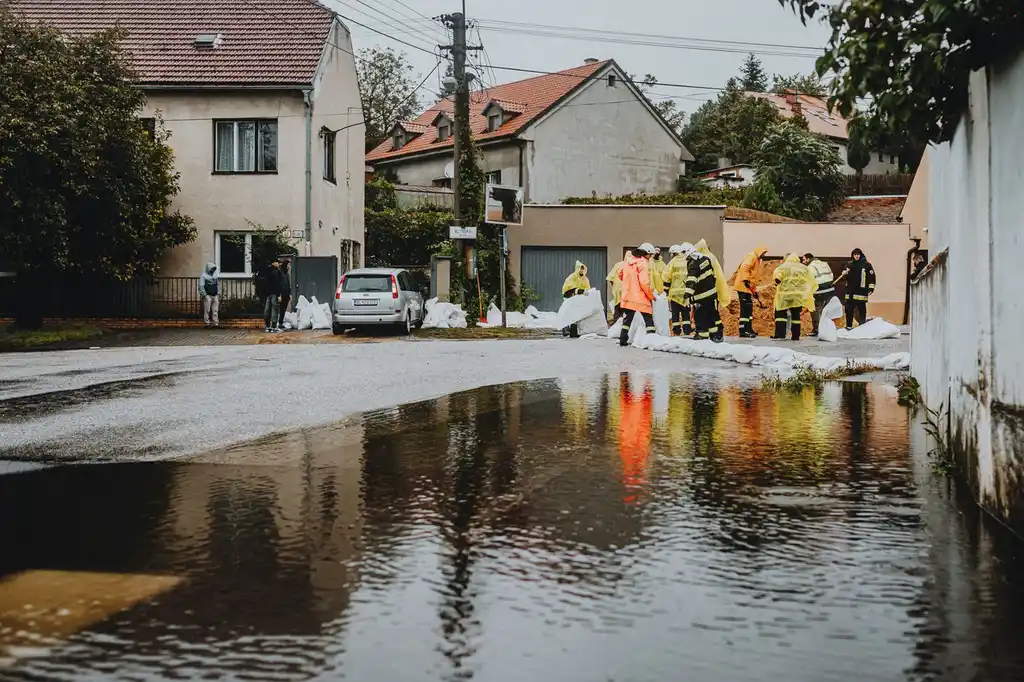
- Storm water intrusion
When a pipe bursts or a storm pushes water into your home, water removal arlington TX is the first step that stops the damage from spreading. We pull standing water out of carpet, hardwood, and crawl spaces, then dry the structure so mold does not get a foothold.
 Moisture mappedExtraction firstDrying logged
Every water removal job includes the core steps that get your structure dry and documented. Here is what is covered and what may be added based on what we find on site.
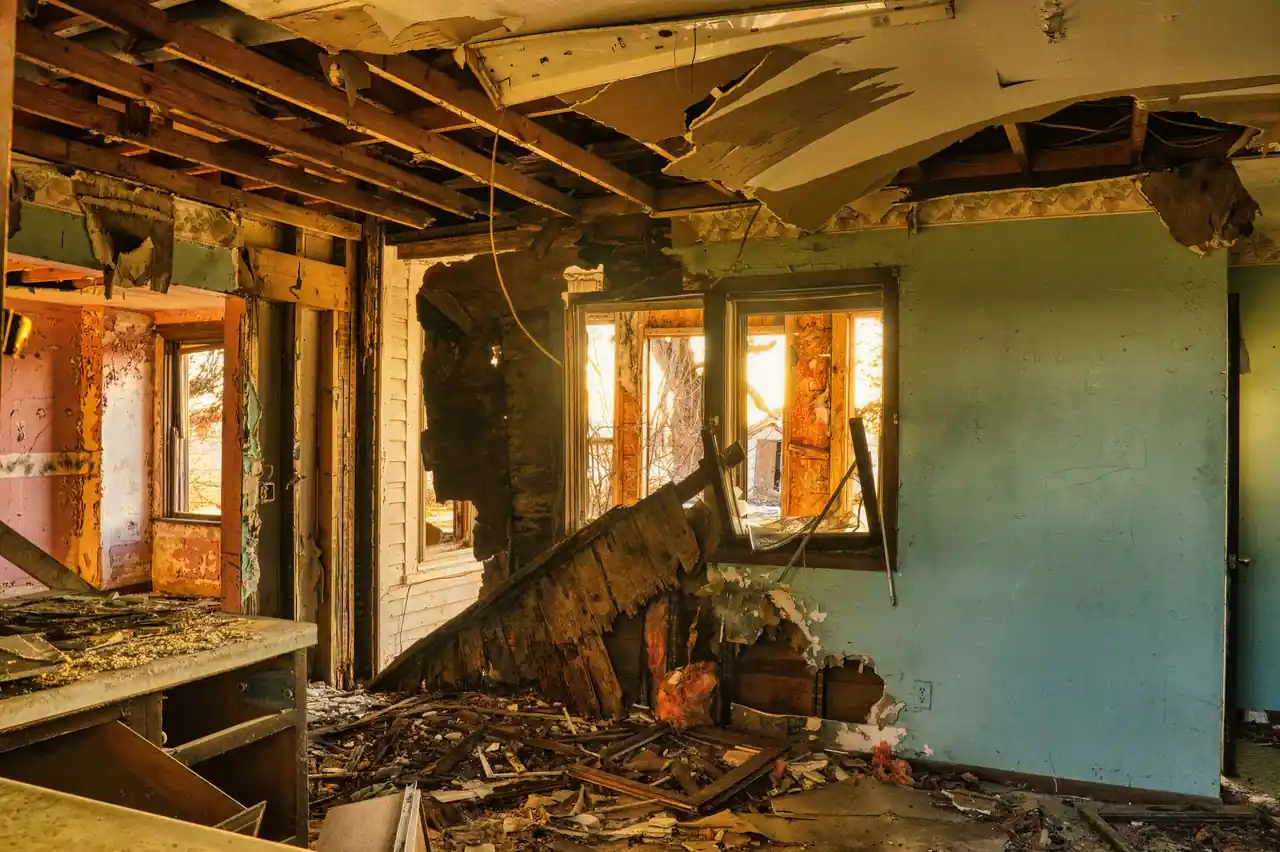
We walk the space with moisture meters, a hygrometer, and a thermal imaging camera. Readings get marked on a floor plan so you can see exactly where the water went. This happens on every job before any equipment is set.
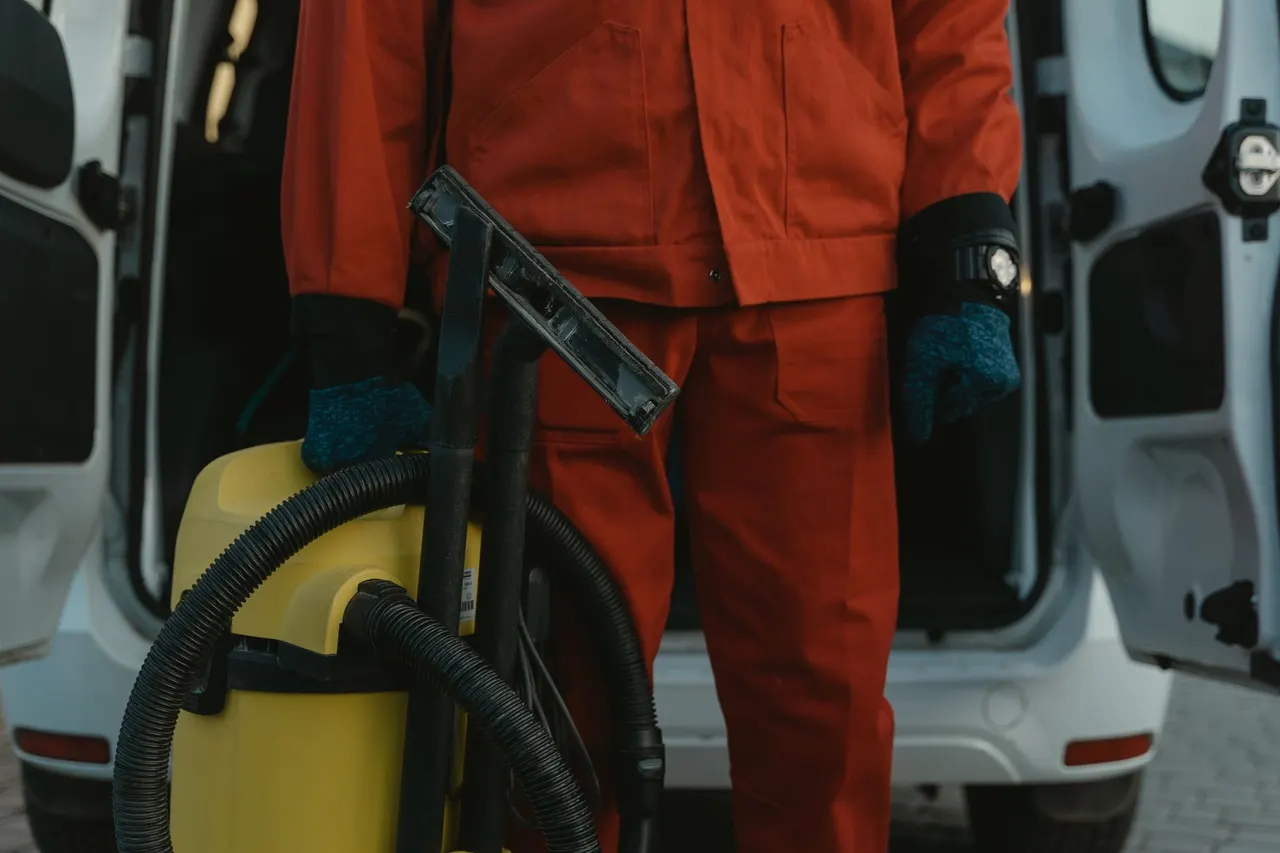
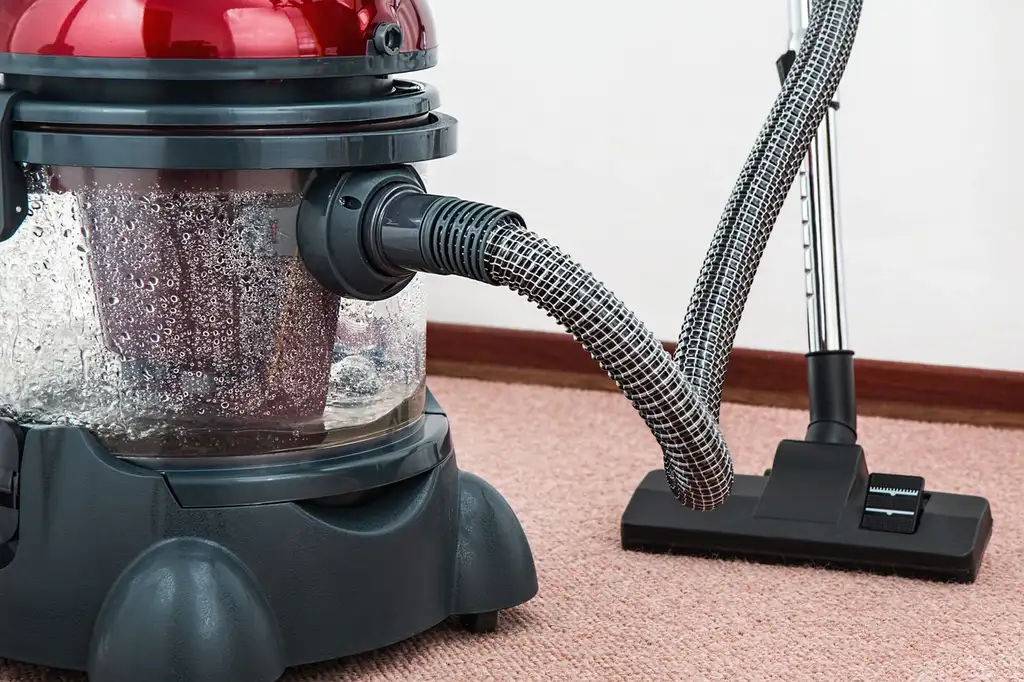
Truck-mounted extractors handle carpet and pad. Portable extractors and wet vacuums reach closets, under cabinets, and into crawl spaces. We pull water until the surface is damp, not pooled.
We apply antimicrobial solutions to surfaces that were in contact with water. This slows mold growth while the structure dries. It is standard on every job, not an add-on.
Air movers and dehumidifiers get placed based on the moisture map. Plastic sheeting contains the drying zone when needed. Desiccants go in for high-humidity or sealed spaces.
We return each day to log readings and adjust equipment. You get photos and a moisture log at the end. This documentation supports your insurance claim and proves the structure is dry.
When readings hit the dry standard, we pull the gear and walk the space with you. We point out anything that needs repair or monitoring. You get a copy of all records for your files.
The approach is the same for a home and a business. What changes is the access, the schedule and who needs the paperwork.
We extract water from carpet, hardwood, and tile in houses and apartments. You get a walk-through and a drying plan before equipment goes down.
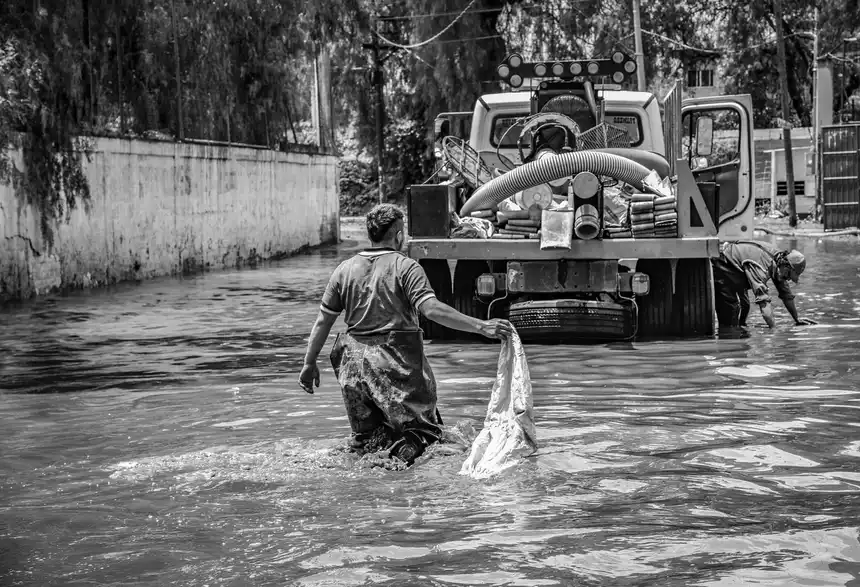
We work around your hours to extract water from offices, retail, and warehouses. Your facilities team gets daily updates and documentation.
A plain-language look at what Water Removal involves and when it is needed.
See how it worksWater removal arlington TX is the physical process of extracting standing water from a structure and beginning the drying cycle that saves floors, walls, and framing. It starts with moisture meters and thermal imaging cameras to map how far the water has traveled, then truck-mounted extractors pull hundreds of gallons out of carpet and pad. We finish with air movers and dehumidifiers running until hygrometer readings match a dry standard.
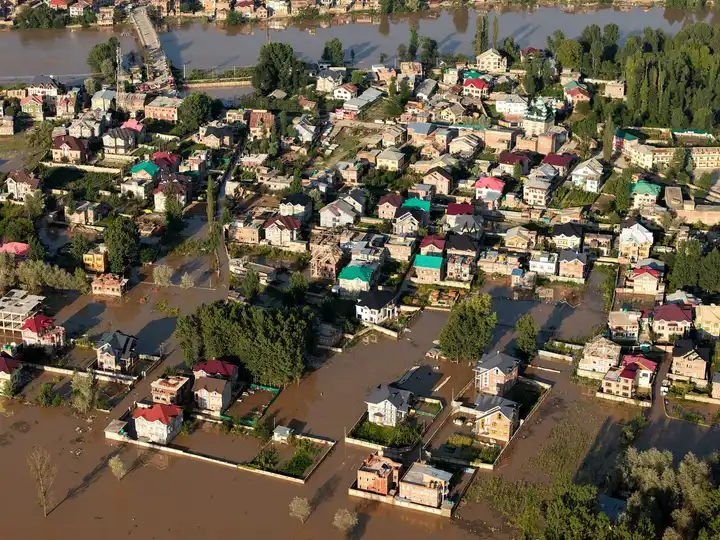
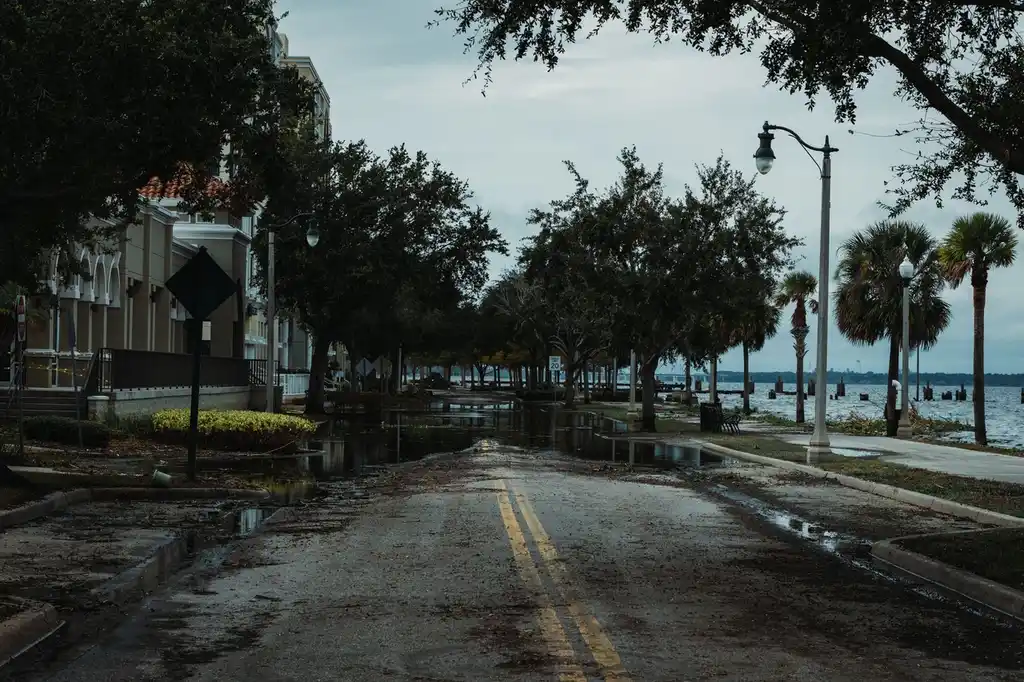
Most calls we take in Arlington come from burst pipes, slab leaks, and storm water intrusion after a heavy spring or fall system rolls through. Water removal in arlington, Texas is not just about soaking up what you can see. Water wicks up drywall, pools under hardwood, and sits in crawl spaces where you never look. If you search water removal near me arlington TX at 2 a.m., you want a crew that shows up with extractors, not a voicemail.
Water removal is the first step that stops water damage from spreading.
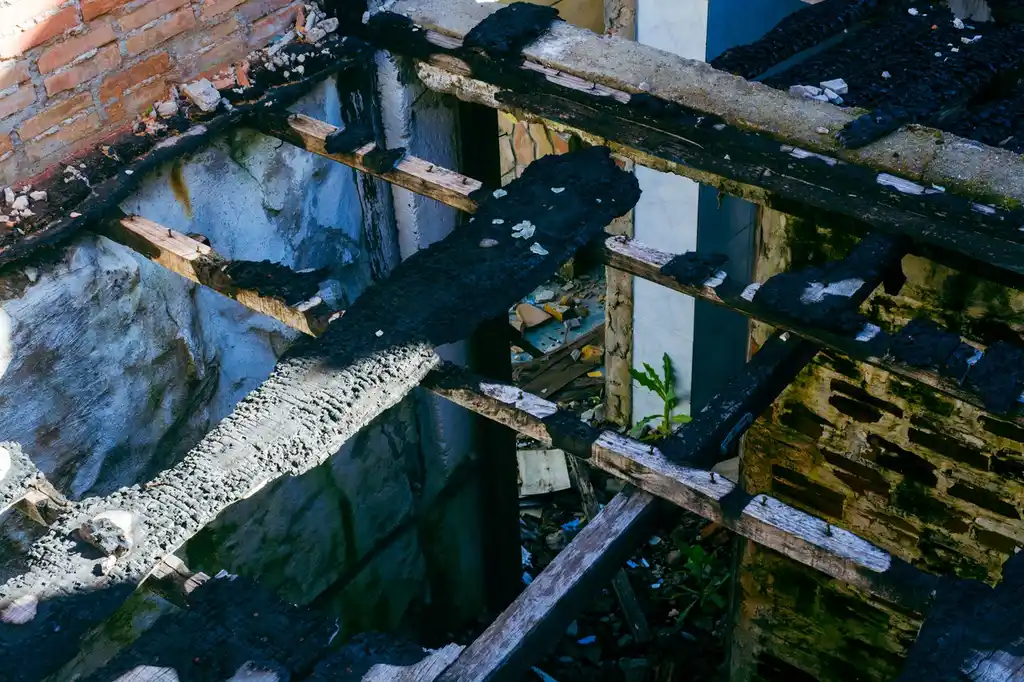
Every job follows the same five steps. You will know what is happening at each stage and how long it takes.
You call and describe what is wet and where. We ask about the source, whether it is still running, and what kind of flooring is affected. Within minutes we tell you what to shut off and whether to stay out of the room. A crew is dispatched with the right equipment for your situation.
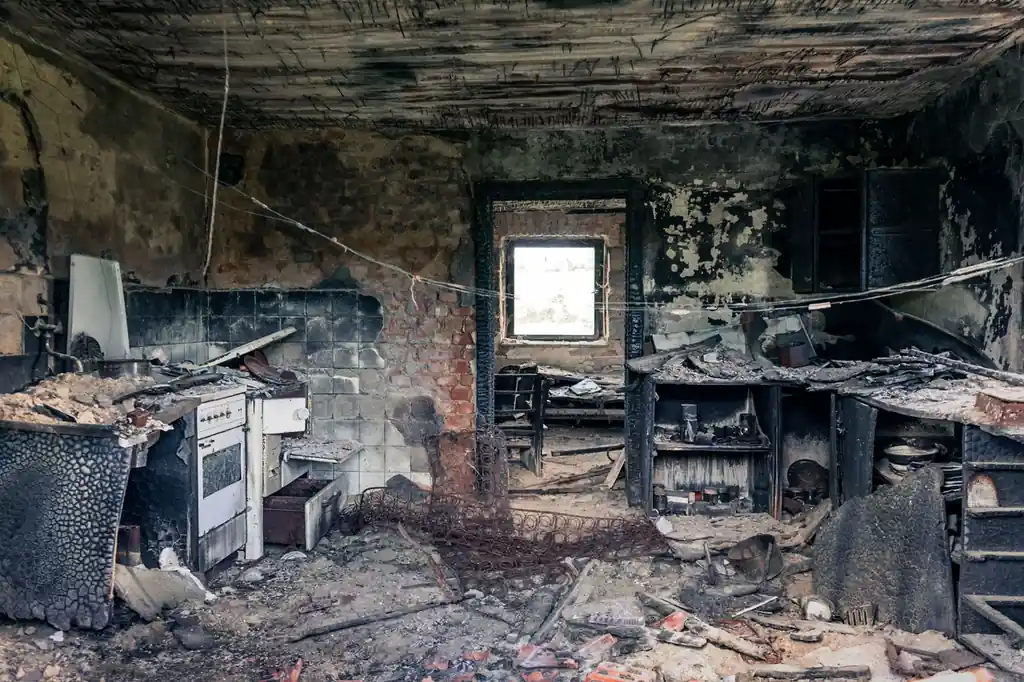
On arrival we walk the space with moisture meters, a hygrometer, and a thermal imaging camera. We find the wet boundary, check inside walls with an inspection camera, and mark readings on a floor plan. This takes 20 to 40 minutes and tells us exactly how far the water traveled.
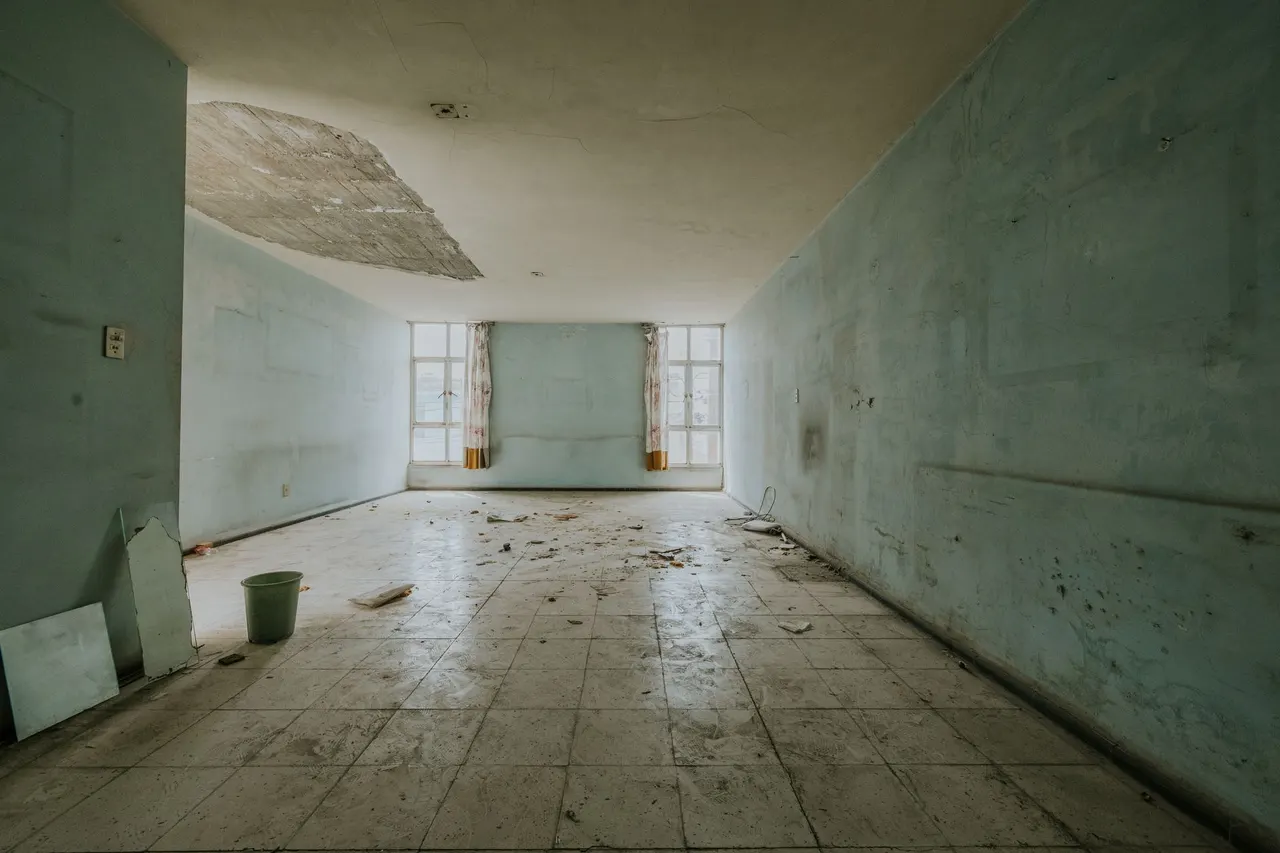
Truck-mounted extractors do the heavy lifting on carpet and pad. Portable extractors and wet vacuums reach closets, under cabinets, and into crawl spaces. We pull standing water down to the point where the surface is damp, not pooled. Most residential extractions take two to four hours.
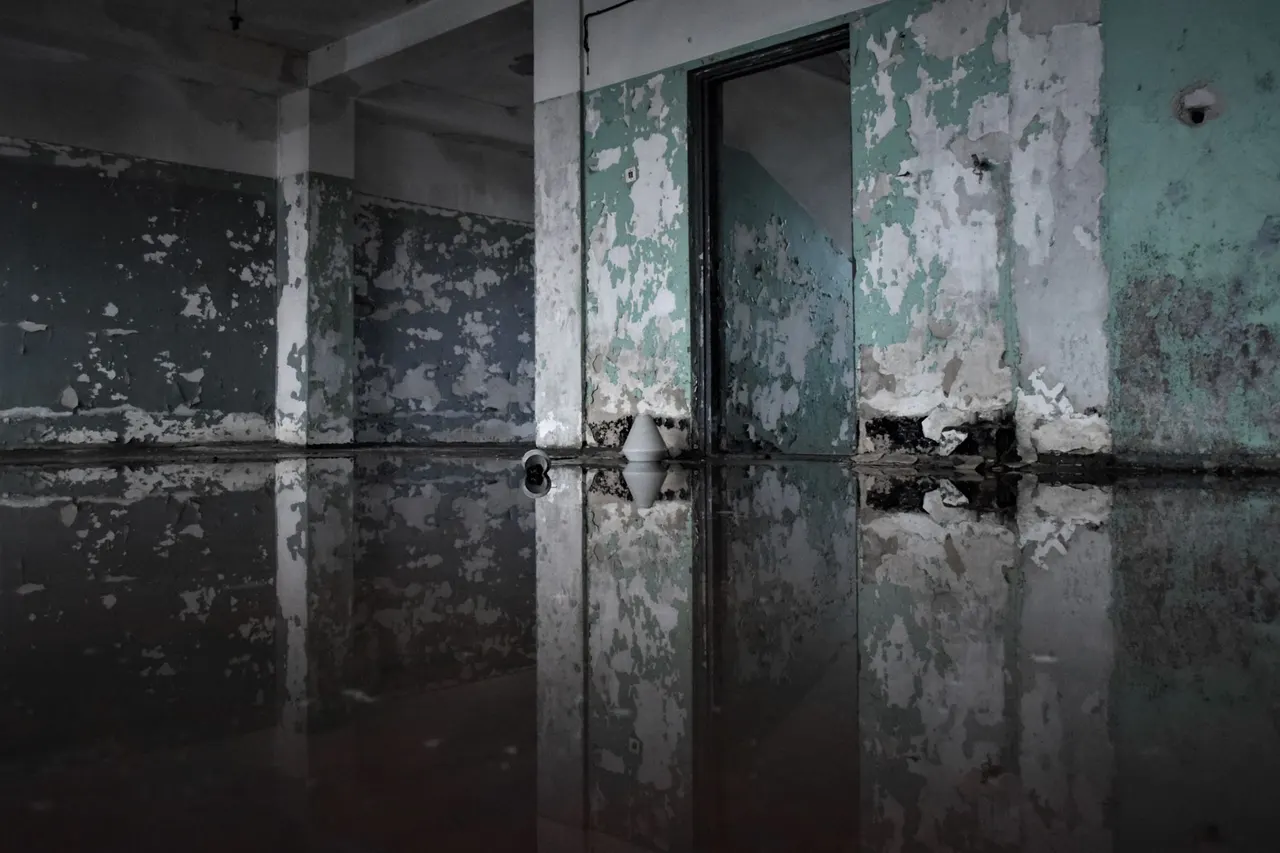
We place air movers and dehumidifiers based on the moisture map, not guesswork. Desiccants go in when humidity is high or the space is sealed. Plastic sheeting contains the drying zone so the rest of the house does not absorb the moisture we are pulling out. Equipment runs two to five days.
We return each day to log readings and adjust equipment. When hygrometer readings match the dry standard, we pull the gear and do a final walk-through with you. You get the full moisture log and photos for your records. Most jobs wrap in three to five days.
Move across a circle, or focus it and press Enter, for an illustrative thermal view of the photograph.
These pull hundreds of gallons of water out of carpet and pad fast. They are the first piece of equipment on the truck for any residential job.
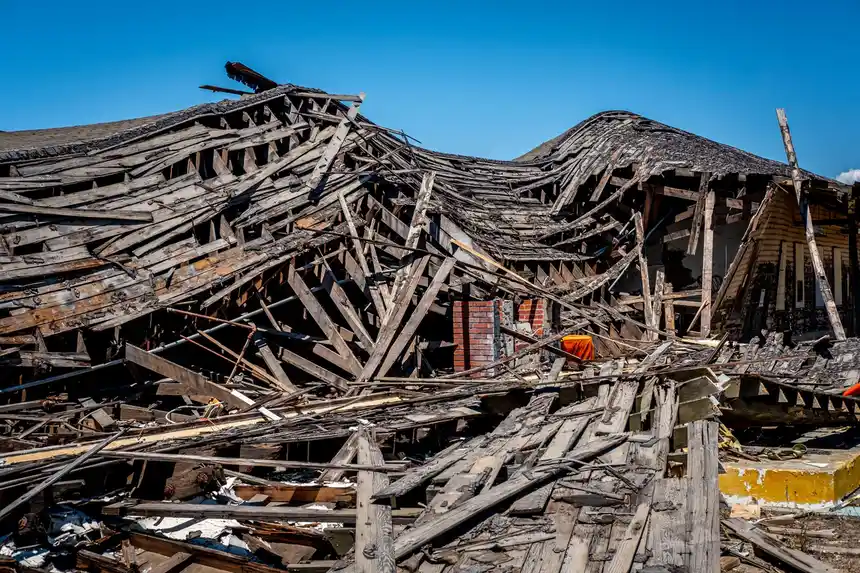
Used for closets, under cabinets, and upper floors where a truck mount cannot reach. They handle the tight spots that would otherwise stay wet.
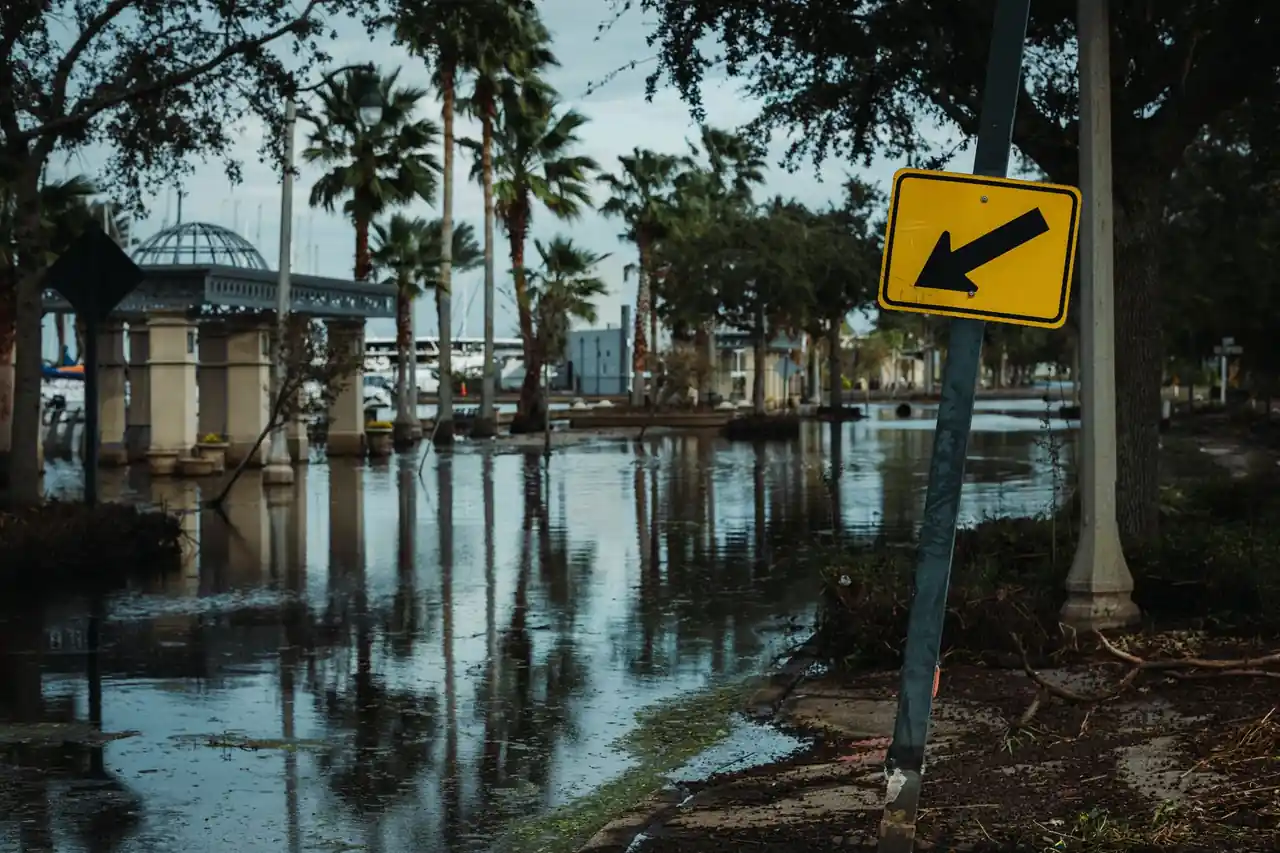
High-velocity fans that evaporate moisture from surfaces and push it into the air for dehumidifiers to remove. Placement is based on the moisture map.
Pull moisture out of the air so drying can continue. We size them to the cubic footage and humidity load of the space.
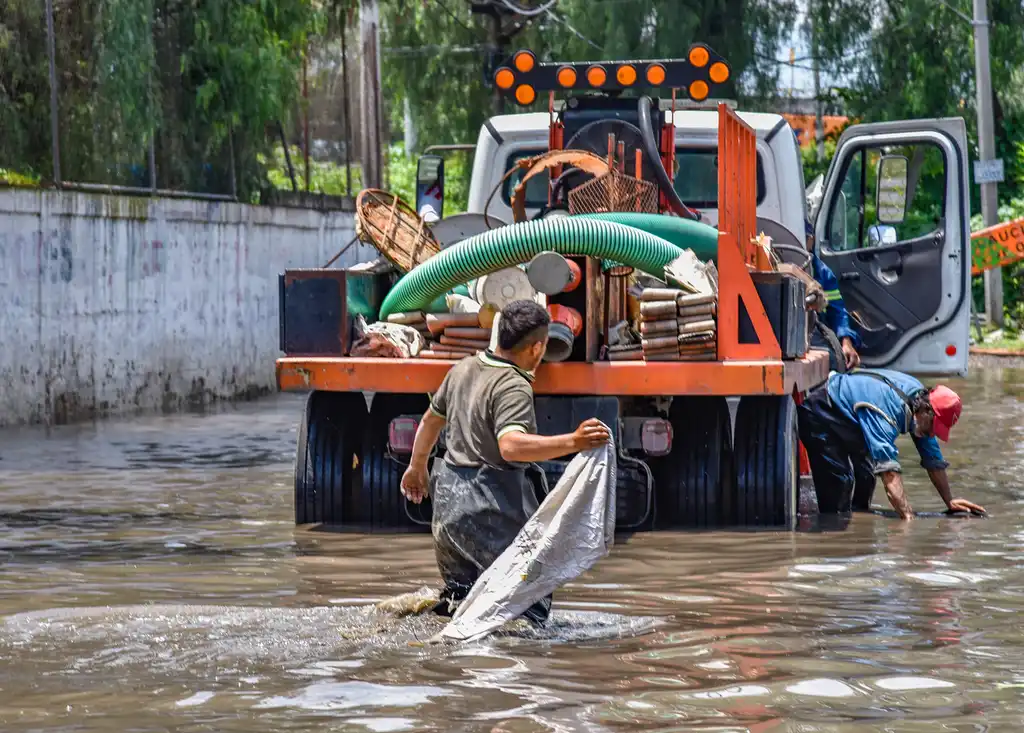
Pin and pinless meters read moisture in materials. Hygrometers read relative humidity in the air. Both drive our daily monitoring.
Thermal views are illustrative, generated from the photographs.
Show temperature differences that reveal hidden moisture behind walls and under floors. We use them on every inspection.
Handle the last inch of standing water in low spots and tight corners. They finish what the extractors leave behind.
We follow the IICRC S500 standard for water damage restoration. It defines water categories, drying goals, and documentation requirements. Following it means your job is done to a recognized industry standard, not a guess.
We set a dry standard based on unaffected materials in your home, then dry until affected materials match. This prevents both under-drying and over-drying. Readings get logged daily.
When mold or sewage is involved, we set plastic sheeting and run negative air machines to keep contaminants from spreading. This protects the rest of your home while we work.
We build scopes in Xactimate, the same platform most insurance adjusters use. That means your claim gets reviewed faster and with fewer questions. You get a copy of everything.
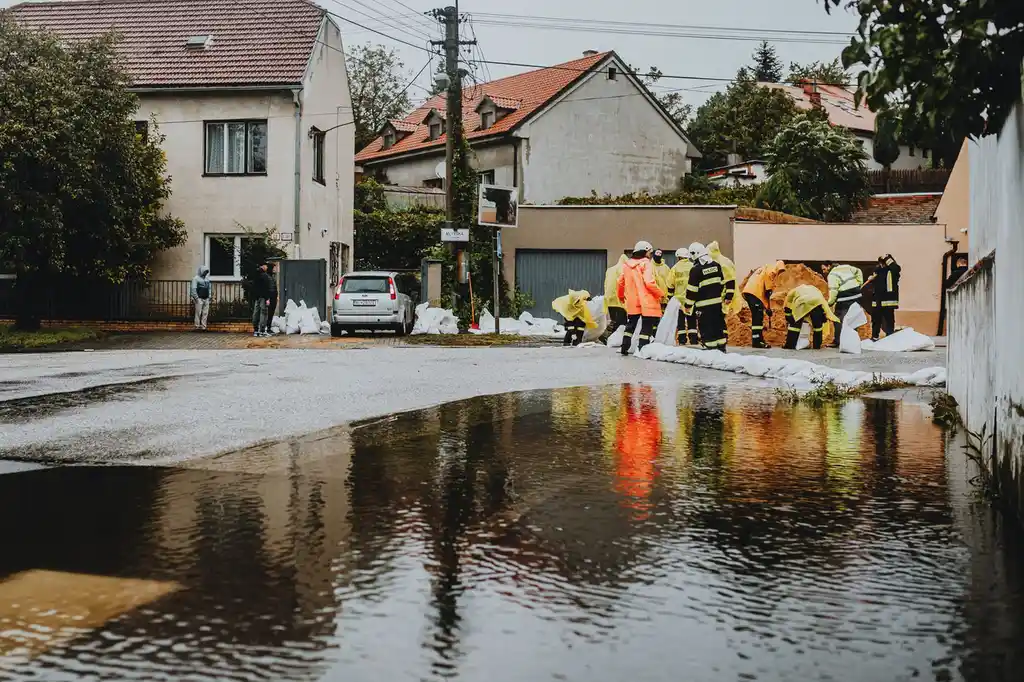
A water heater lets go in the garage and water is running toward the house.
We shut off the supply, extract the standing water, and check the wall between the garage and living space for wicking. Air movers and a dehumidifier dry the slab and framing. We document everything for your claim.
Outcome: The garage and adjacent wall dry in three days. No drywall replacement needed.
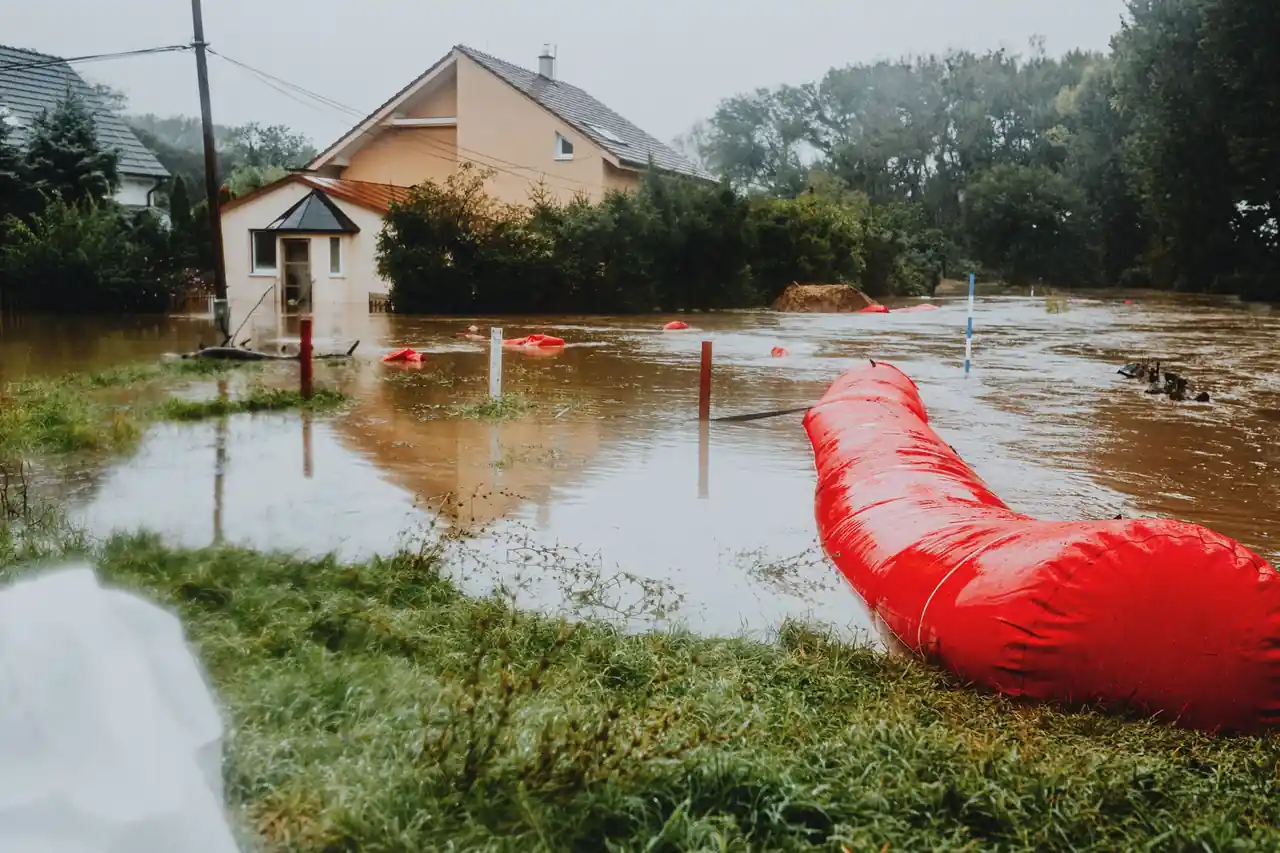
A toilet supply line breaks upstairs and water comes through the ceiling below.
We extract water from the upstairs bathroom and the ceiling below. An inspection camera checks the ceiling cavity for trapped water. We set injection drying if the cavity is wet and monitor daily.
Outcome: Both floors dry in four days. The ceiling stain is treated and ready for paint.
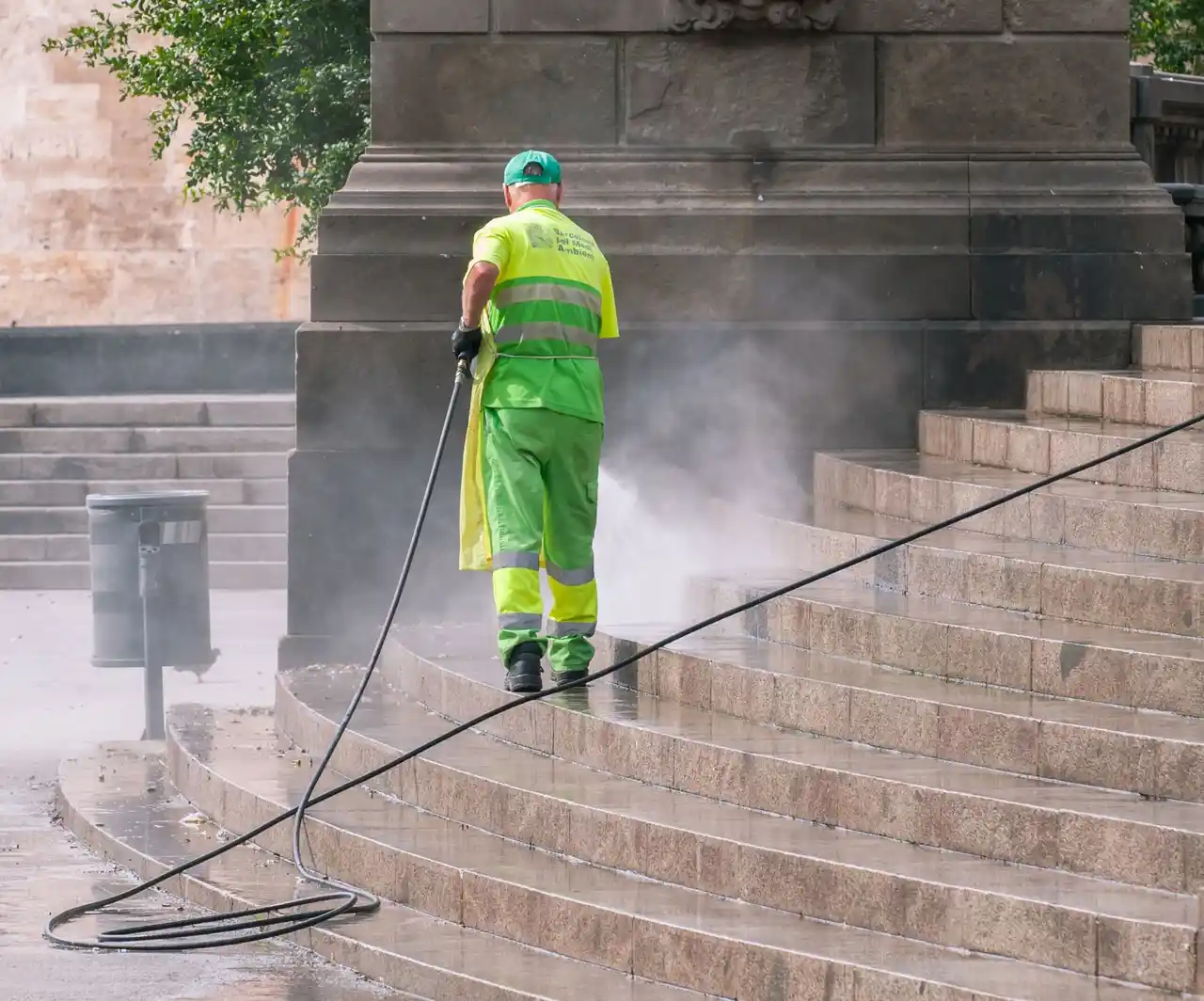
Heavy rain pushes water under the back door and across the hardwood floor.
We extract the water, place floor mats on the hardwood, and run air movers to dry the boards from the surface and below. Daily readings track progress until the wood hits the dry standard.
Outcome: The hardwood dries flat with no cupping. No floor replacement.
A washing machine hose fails overnight and floods the laundry room and hallway.
We extract the standing water, pull the vinyl flooring back if needed, and dry the subfloor. Antimicrobial solution goes down before the drying equipment. We check the hallway carpet and pad for wicking.
Outcome: The laundry room and hallway dry in three days. Carpet dries in place.
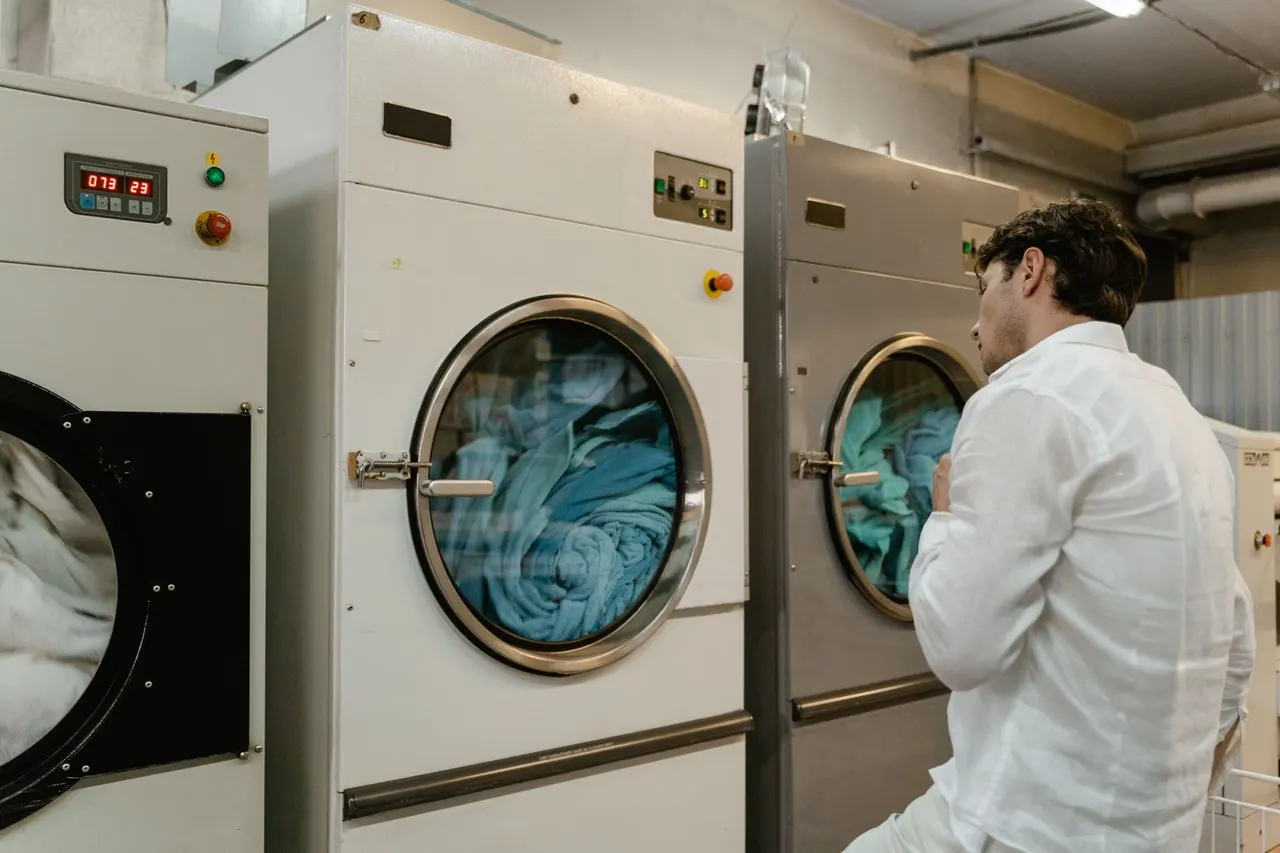
A commercial building has a roof leak that soaks ceiling tiles and carpet in the lobby.
We work after hours to extract the water and remove saturated ceiling tiles. Air movers and dehumidifiers dry the carpet and ceiling grid. We coordinate with your facilities team and document everything.
Outcome: The lobby is dry and back in service in four days. Minimal disruption to business.
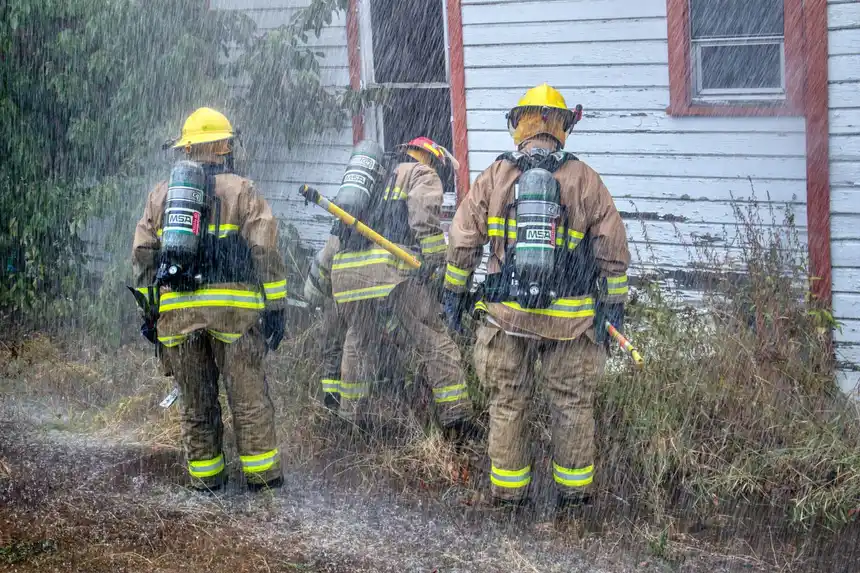
Arlington sits in Tarrant County where the clay soil shifts with moisture and puts stress on slab plumbing. That is why slab leaks are one of our most common calls. Spring and fall storm systems drop heavy rain in short windows, and older neighborhoods with original drain lines see sewage backups when the city system surcharges.
Homes in Viridian and other newer developments have different issues: PEX supply lines that fail at fittings and crawl spaces that hold humidity. We run professional water removal arlington TX jobs with equipment sized for the house, not a one-size-fits-all setup. If you need emergency water removal arlington TX after a storm or a pipe failure, we know the neighborhoods and the building styles.
We also work with local plumbers and roofers when the source needs repair before we can dry.
Before: A supply line under the sink let go overnight and water ran into the hallway and dining room. Carpet and pad were saturated, and water had wicked up the drywall six inches. The homeowner found it at 6 a.m.
After: We extracted 40 gallons, removed the pad, and dried the carpet in place. Drywall dried without removal. Moisture readings hit the dry standard in four days. The homeowner paid a fraction of what replacement would have cost.
Check supply lines under sinks every six months. Replace braided lines every five years.
Before: A slab leak pushed water up through the hardwood floor in the living room. Boards were cupping and the homeowner was told the floor had to come out. The leak had been running for weeks before it was visible.
After: We mapped the moisture with thermal imaging, extracted what was accessible, and set floor mats to dry the boards from below. After five days of monitoring, the hardwood dried flat with no cupping. No replacement needed.
Watch for warm spots on the floor or unexplained spikes in your water bill. Both are early signs of a slab leak.
Before: A spring storm pushed water under the back door and across 400 square feet of tile and carpet. The homeowner called at 7 a.m. with water still standing in the low corner of the living room.
After: We extracted the standing water in two hours, set air movers and a dehumidifier, and monitored daily. The tile and carpet dried in three days. We documented everything for the insurance claim, which was approved without a second visit.
Check door sweeps and thresholds before storm season.
These are the calls we take most often in Arlington. Each one has a specific approach that gets the water out and the structure dry.
A dry structure and documented readings you can hand to your insurer.
Mold can begin colonizing wet drywall and insulation within 24 to 48 hours. We apply antimicrobial solutions during extraction and keep air movers running until moisture readings drop below 16 percent on a pin meter. That window is the difference between a dry-out and a tear-out.
Hardwood floor cupping and delamination start fast. We use floor mats and drying systems that pull moisture through the boards instead of ripping them out. Carpet and pad that get extracted within the first day often dry in place, which saves you replacement cost and keeps your schedule intact.
We run same-day water removal arlington calls for active leaks, sewage backups, and storm intrusion. A crew arrives with truck-mounted extractors, portable units for tight spaces, and wet vacuums for the last inch of water. You get a walk-through of what we found and what we are doing about it.
We log moisture readings, take photos, and build an Xactimate-compatible scope so your insurance adjuster sees exactly what happened. That paperwork speeds up the claim and reduces the back-and-forth. You get a copy of everything we record on site.
Clear records you can keep and share.
Daily readings for every affected area
Before, during, and after images
Xactimate-compatible documentation
Final readings showing dry standard met
The category of water determines how we handle extraction, treatment, and disposal.
Clean water from a supply line
Gray water with some contamination
Black water with harmful bacteria
A list like this tells people straight away whether you cover their street. Not listed? Call and ask: it only takes a minute.
Based in arlington and covering the places around it. Pick one for local details.
A single-room extraction with two days of drying sits near the low end. Sewage backups, crawl space water, and jobs requiring drywall removal push toward the high end. We give you a written scope before we start so there are no surprises.
Extraction itself takes two to four hours for a typical room. The full dry-out runs three to five days because we monitor moisture readings daily and cannot pull equipment until the structure hits the dry standard. Large commercial jobs or category 3 water can take longer. You get a daily update so you know exactly where things stand.
Yes. We run same-day water removal arlington calls for active leaks, storm intrusion, and sewage backups. Call us and describe the situation, and we dispatch a crew with truck-mounted extractors and drying equipment. If the water is still running, we will tell you how to shut it off while we are on the way. Most calls get a crew on site within a few hours.
Yes. Water removal from carpet arlington Texas is one of our most common calls. We extract the carpet and pad with truck-mounted units, then set air movers and dehumidifiers to dry what is left in place. If the pad is saturated or the water is contaminated, we pull it and replace it. Carpet that gets extracted within the first day often dries without replacement.
Other services from the same team.
Standing water does not wait, and neither should you. Call our team and we will dispatch a crew with extractors and drying equipment. We serve all of Arlington and Tarrant County. One call and we are on the way.
Call us any time and describe what happened. We ask a few questions about the water source and how long it has been running, then get a crew headed your way. If you prefer email, send photos of the damage and we will follow up with next steps.