For Homes
Water under a house affects the floors, the air you breathe, and the structure. We inspect, extract, and dry so your home stays sound.
- Burst supply line under the house
- Storm water through foundation vents
- Musty smell from high humidity
When water pools under your floor, crawl space water removal Arlington TX gets it out before the joists rot. We pump out standing water, extract saturated insulation, and run drying equipment until moisture readings drop to safe levels. Homeowners across Tarrant County call us because we show up, find the source, and dry the space correctly the first time.
 Moisture mappingStanding water extractionDaily drying checks
Every crawl space water removal job includes the core work: inspection, extraction, treatment, drying, and a final moisture check. What changes is the scope, which depends on how much water is present and whether mold or contaminated water is involved. Here is what we cover on a standard job.
We crawl the entire space with moisture meters, a hygrometer, and an inspection camera. You get a clear explanation of where the water came from and how far it spread before we start work.
Truck-mounted or portable extractors pull standing water out of the lowest points. Wet insulation and absorbent pads come out and get bagged for disposal so they do not re-wet the space.
We spray antimicrobial solutions and mold inhibitors on joists, subfloor, and piers. This stops mold from colonizing the wet framing while the drying equipment runs.
Air movers and dehumidifiers get positioned to push dry air through the space. Desiccants go in when humidity is high. Equipment runs 2 to 4 days with daily monitoring.
A technician checks readings every day with moisture meters and thermal imaging cameras. We adjust equipment placement as the space dries and keep a log of every reading.
You get a photo report and a drying log showing the before and after readings. That documentation is what your insurance adjuster needs to close the claim.
The approach is the same for a home and a business. What changes is the access, the schedule and who needs the paperwork.
Water under a house affects the floors, the air you breathe, and the structure. We inspect, extract, and dry so your home stays sound.
Property managers need crawl space water handled fast and documented properly. We work around tenants and keep the paperwork clean for your file.
A plain-language look at what Crawl Space Water Removal involves and when it is needed.
See how it worksCrawl space water removal Arlington TX is the process of pumping out standing water, extracting saturated soil and insulation, and drying the structural framing under a home until moisture levels return to normal. It is needed whenever water collects under a house from a burst pipe, slab leak, or storm intrusion. Our technicians crawl in, map the wet zone with moisture meters and thermal imaging cameras, then pull the water out with truck-mounted extractors.
Arlington homes sit on some of the most active clay soil in North Texas, and that soil shifts hard after heavy rain. Water that seeps into a vented crawl space has nowhere to drain, so it wicks up the floor joists and into the subfloor. Left alone, that moisture feeds mold growth within 24 to 48 hours. When you search for crawl space water removal near me Arlington TX after a storm, you need a crew that understands how local soil and humidity behave.
Crawl space water removal gets the water out and dries the framing before mold and rot take hold.
Every job follows the same five steps, whether it is a small appliance leak or storm water across the whole footprint. Here is what you can expect from the first call to the final moisture check.
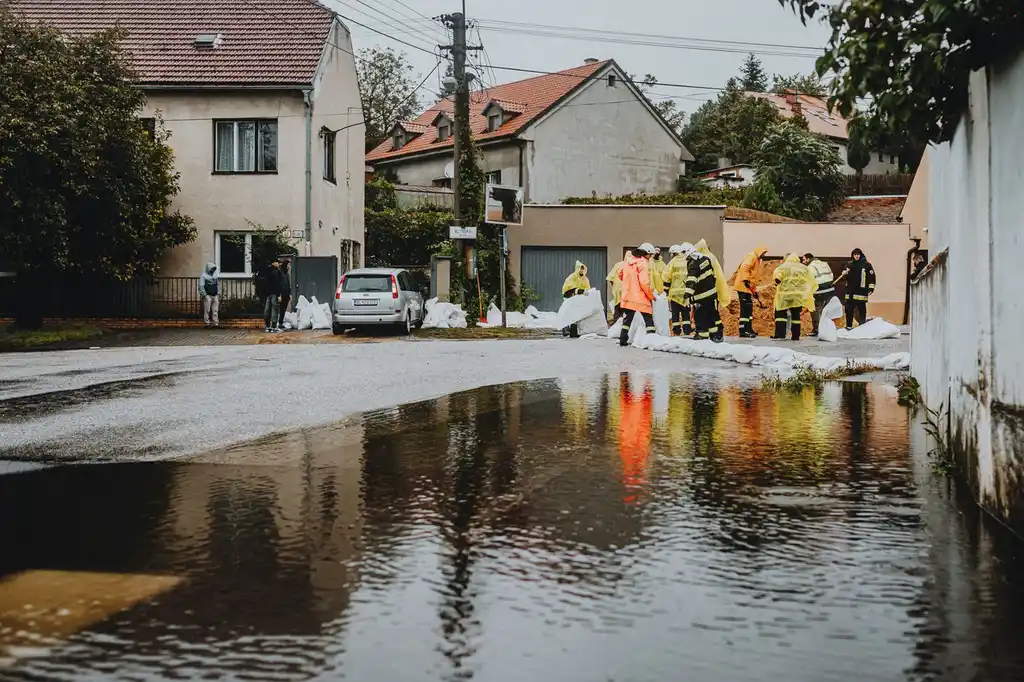
A technician crawls the space with a moisture meter, hygrometer, and inspection camera to find the water source and map how far it spread. We check the vapor barrier, insulation, and joists, then explain what we found before any equipment comes off the truck. This usually takes 30 to 45 minutes.
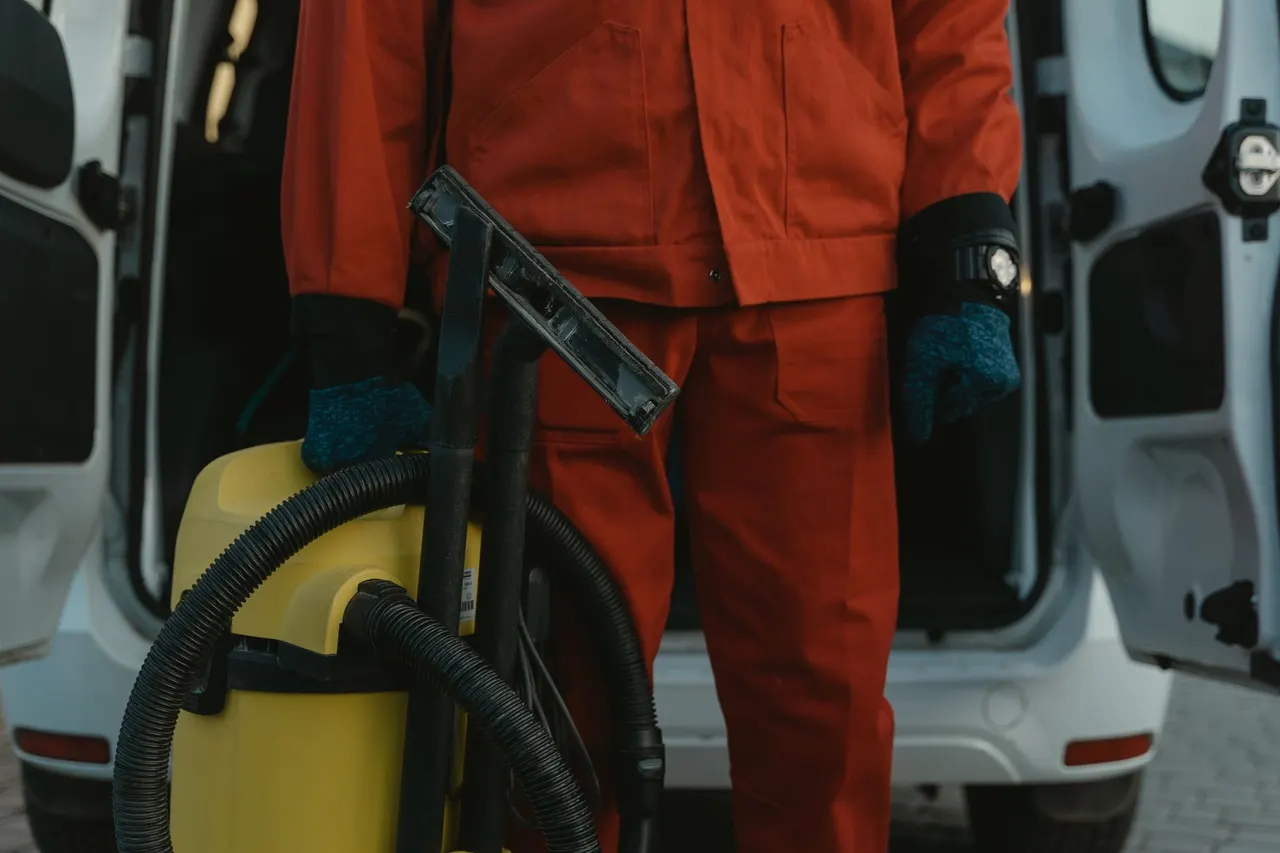
We set up truck-mounted or portable extractors and pull standing water out of the lowest points first. Wet insulation and absorbent pads come out and get bagged for disposal. On a typical Arlington job, extraction takes two to four hours depending on how much water is sitting in the soil.
Once the standing water is gone, we spray antimicrobial solutions and a mold inhibitor on the joists, subfloor, and piers. This step matters because crawl space moisture in Arlington often carries organic debris that feeds mold. We also set deodorizers if the water was gray or black.
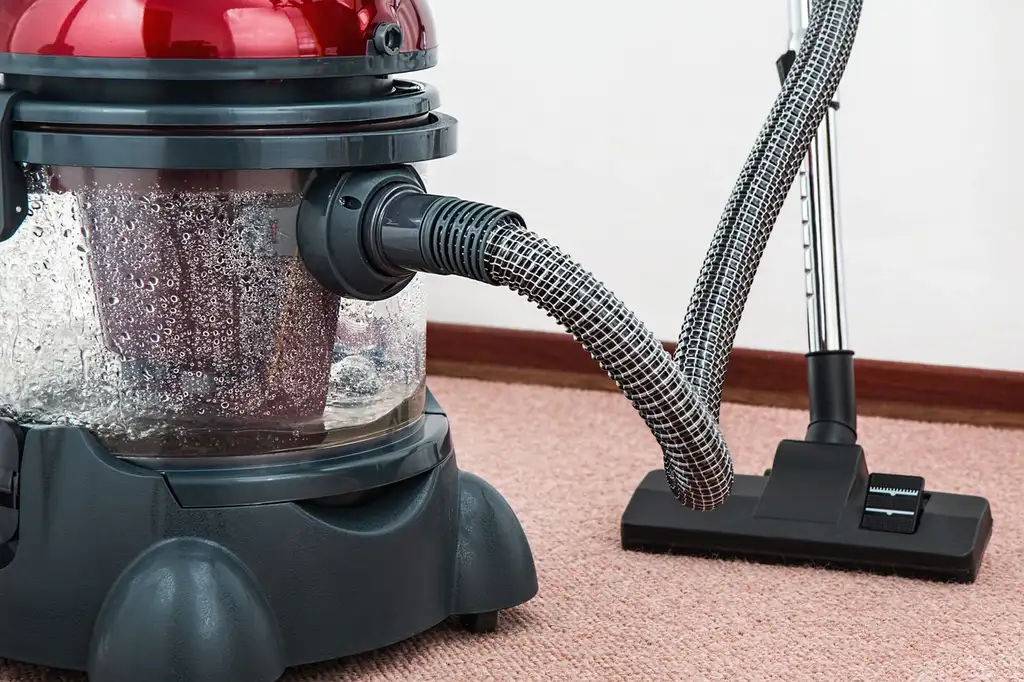
We position air movers and dehumidifiers to push dry air through the space and pull moisture out. Desiccants go in when humidity is stubborn. Drying usually runs 2 to 4 days, and we check readings daily with moisture meters and thermal imaging cameras to confirm the framing is trending dry.
Before we leave, we take final moisture readings and compare them to the dry standard. You get a photo report and a drying log showing the numbers. If we find a source problem like a slab leak or burst pipe, we tell you what needs fixing so the water does not come back.
Move across a circle, or focus it and press Enter, for an illustrative thermal view of the photograph.
High-powered extraction units pull standing water out of the crawl space fast, cutting drying time and reducing the chance of mold growth.
When the crawl space is tight or the truck cannot get close, portable units get into the space and pull water from low spots.
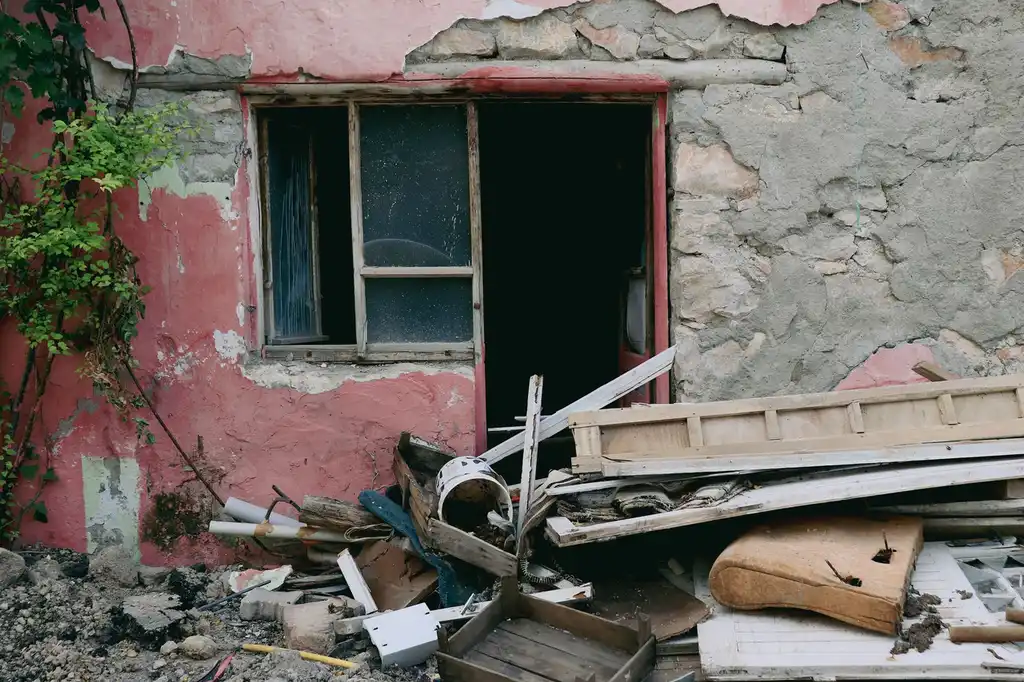
These push dry air across wet framing and subfloor, speeding evaporation and keeping moisture from settling into the wood.
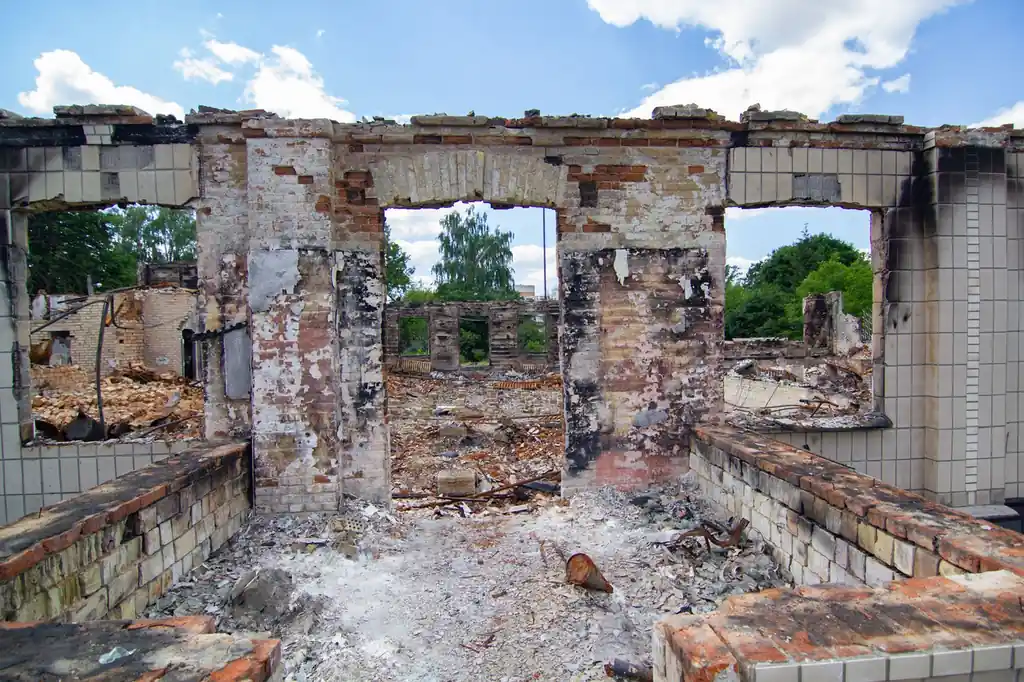
They pull moisture out of the air so the space can dry instead of staying humid. Desiccants go in when humidity is stubborn.
We use them to measure moisture in wood and humidity in the air, so we know when the space is actually dry instead of guessing.
Thermal views are illustrative, generated from the photographs.
Thermal cameras show temperature differences that reveal hidden moisture behind insulation and in framing, so we do not miss a wet pocket.
Tight crawl spaces have areas you cannot reach. Inspection cameras let us see into those spots and confirm the water source.
We follow the IICRC S500 standard for water damage restoration and drying. It sets the moisture targets we work toward and the documentation we keep on every job.
Before extraction, we scan the space with thermal imaging cameras to map the wet zone. That tells us where to place equipment and how far the water traveled.
A technician checks readings every day and logs them. We compare the numbers to the dry standard and keep drying until the framing holds at target.
After extraction, we spray antimicrobial solutions and mold inhibitors on wet surfaces. This stops mold from colonizing the framing while drying is underway.
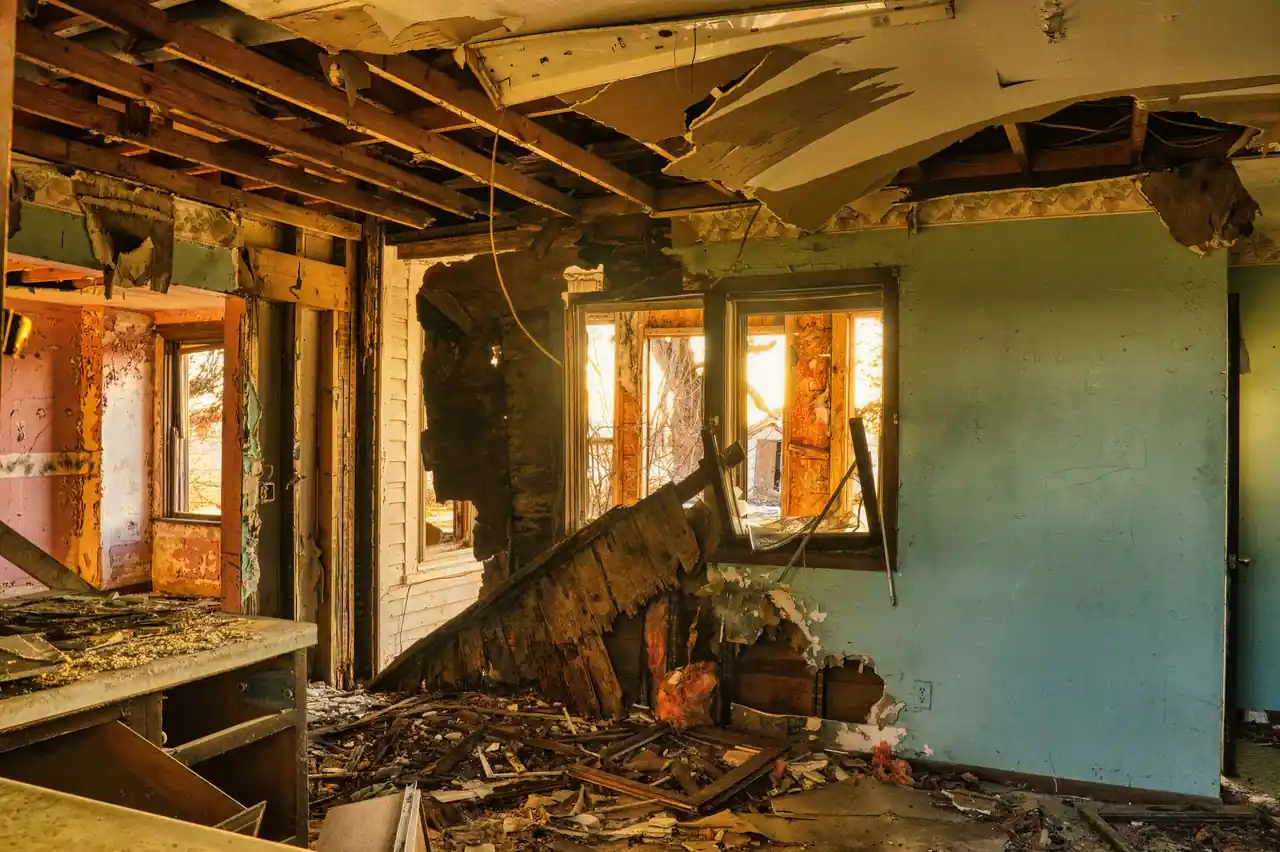
A supply line bursts under the house at 2 a.m. and water is pooling on the vapor barrier.
We take the emergency call, schedule a response, and bring extraction equipment ready to run. The crew shuts off the water if it is still flowing, pumps out the standing water, and sets drying equipment the same visit.
Outcome: Water is out within hours, and the framing starts drying before mold has a chance to take hold.
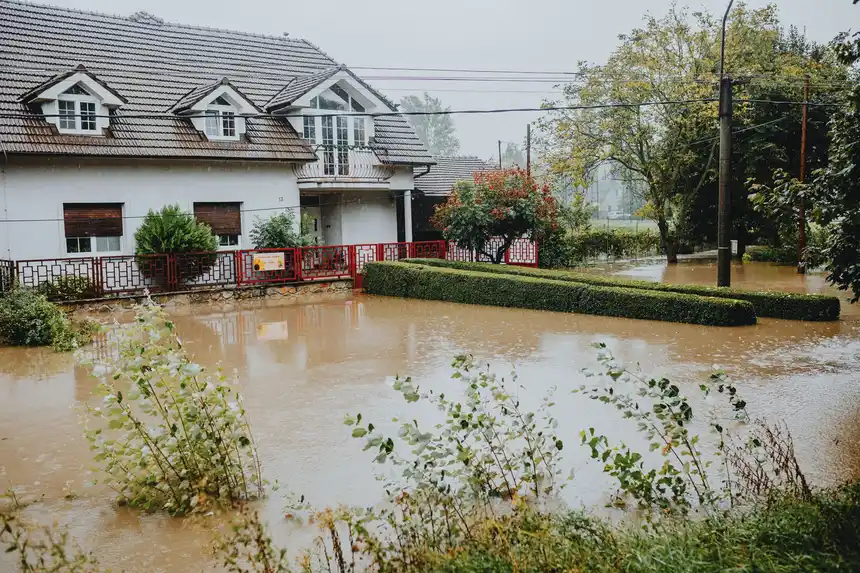
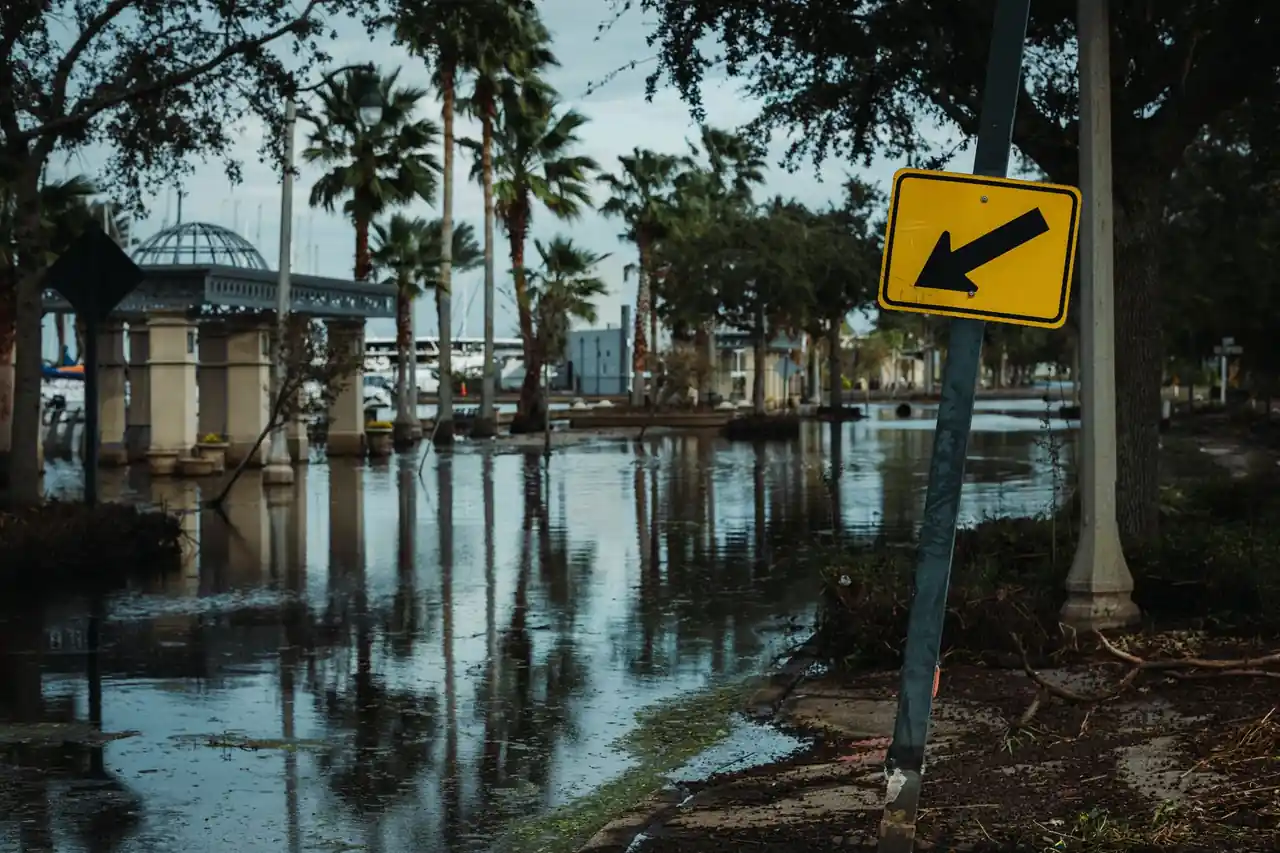
A spring storm dumps three inches of rain and water backs into the crawl space through the foundation vents.
We extract the flood water, remove saturated insulation, apply disinfectants, and run dehumidifiers until the space is dry. We also check the vents and grading to see why water came in.
Outcome: The crawl space dries in 3 to 4 days, and you know what to fix so the next storm does not flood it again.
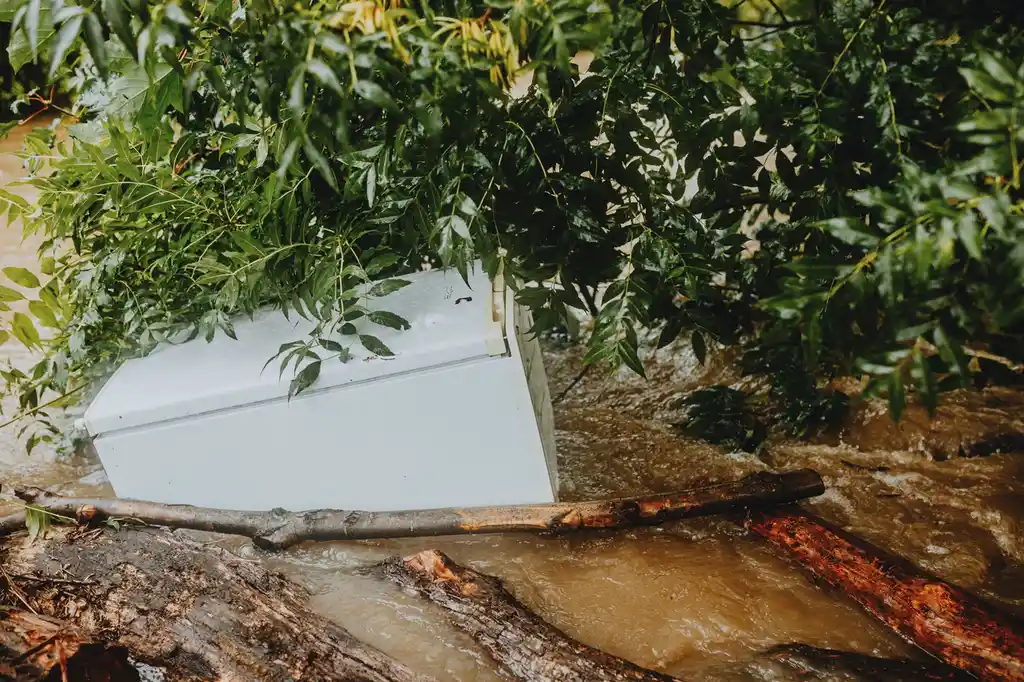
You notice a musty smell in the house and find condensation on the floor joists during a summer humidity spike.
We inspect with moisture meters and thermal imaging cameras, run dehumidification, and treat the framing with mold inhibitors. If mold is already present, our AMRT-trained technicians handle it.
Outcome: Humidity drops to a safe level, the smell goes away, and the framing is dry and treated.
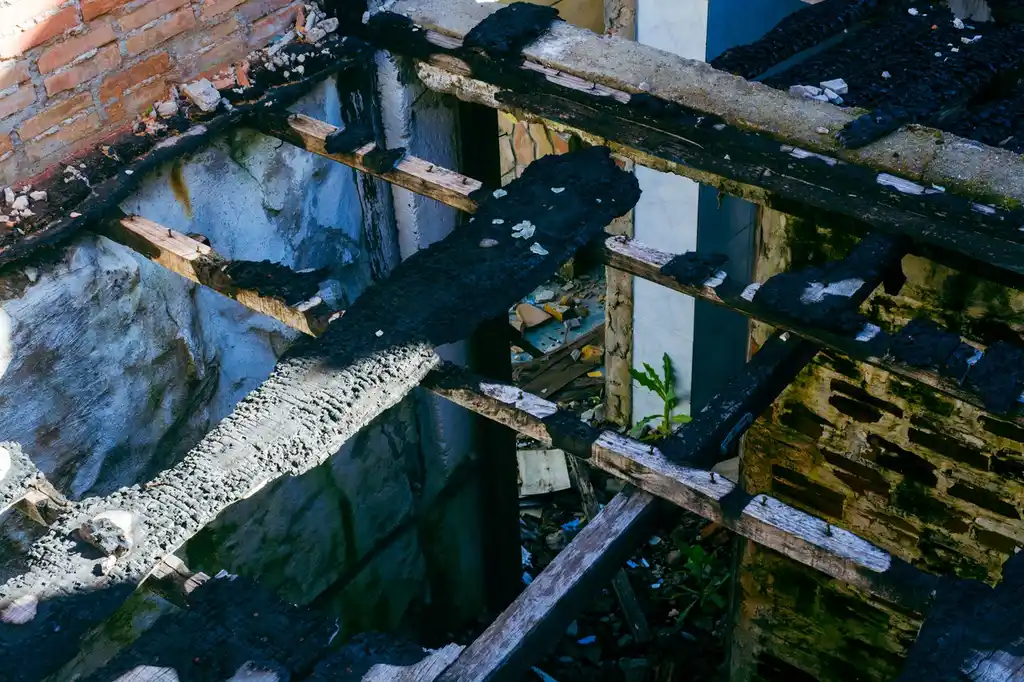
A washing machine supply hose fails and water runs under the house for an hour before anyone notices.
We extract the water, pull the wet insulation, and dry the subfloor and joists. Moisture readings tell us how far the water traveled, and we set equipment to dry the whole path.
Outcome: The floor above stays flat, the crawl space dries in 2 to 3 days, and you avoid a mold remediation bill.
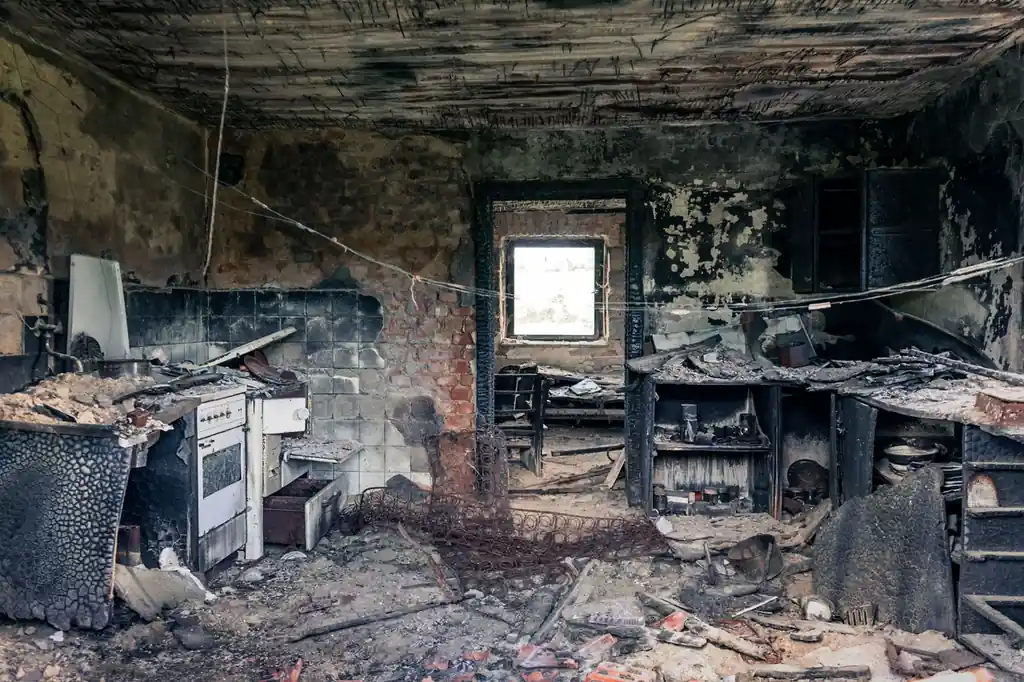
You are selling a home and the inspection report flags moisture in the crawl space.
We inspect, document the moisture levels, extract any standing water, and dry the space to a verified standard. You get a report you can hand to the buyer's agent.
Outcome: The crawl space passes a re-inspection, and the sale moves forward without a moisture objection.
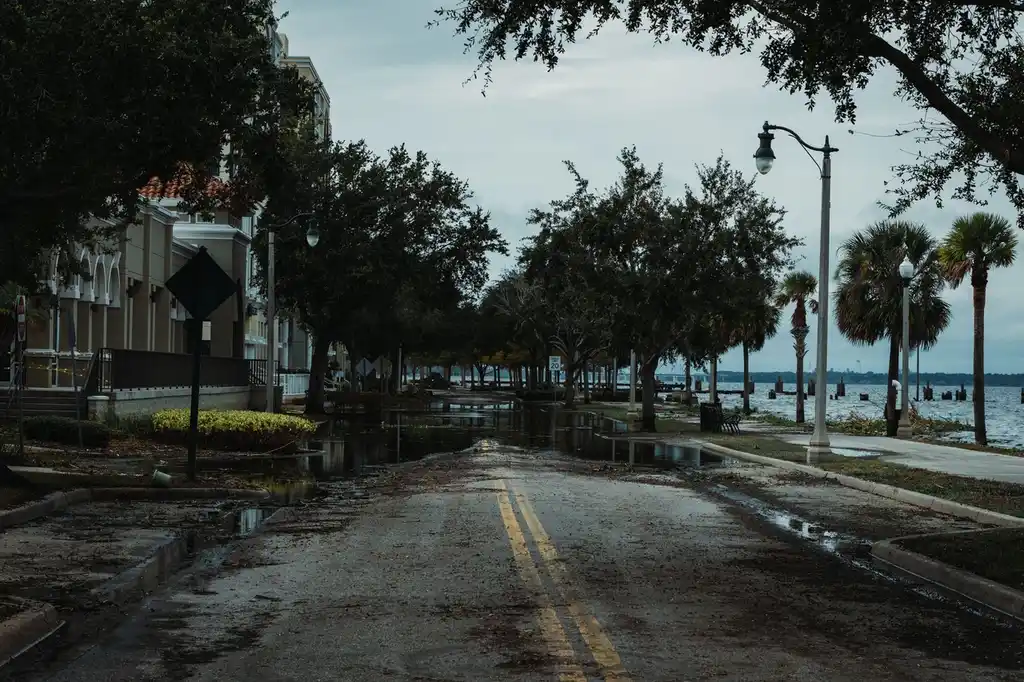
Arlington sits on expansive clay soil that swells when wet and shrinks when dry. After a heavy rain, that soil pushes water toward foundations, and vented crawl spaces take it in. Our crawl space water extraction Arlington crews see this pattern most in older neighborhoods where vapor barriers have aged and foundation vents sit close to grade. Summer humidity is the other factor.
When outdoor humidity climbs past 70 percent, a wet crawl space will not dry on its own, so we run dehumidifiers longer and check readings twice a day on those jobs. We schedule crawl space water removal and drying Arlington Texas work year-round, but the busiest stretch runs from late fall through spring, when cold fronts bring rain and pipe breaks.
If you need emergency crawl space water removal Arlington, we keep equipment loaded and ready. Every job is documented to IICRC standards, and we write scopes in Xactimate so Tarrant County adjusters can process claims without delays.
Before: A supply line burst under a North Arlington home and ran for nearly an hour before the homeowner shut it off. The crawl space had about three inches of standing water, and the insulation was saturated across a 400-square-foot area.
After: We extracted the water in about three hours, removed the wet insulation, and ran air movers and dehumidifiers for three days. Final moisture readings on the joists came back at 12 percent, within the dry standard.
The homeowner replaced the failed supply line and added a shutoff valve. We recommended checking the vapor barrier twice a year for tears.
Before: A spring storm pushed water through foundation vents into an Interlochen crawl space. The vapor barrier floated, and about 600 square feet of insulation was soaked. The house smelled musty within a day.
After: We pumped out the standing water, bagged the wet insulation, and applied antimicrobial solutions to the framing. Drying ran four days, and the musty smell cleared once the humidity dropped below 50 percent.
We reset the vapor barrier and recommended regrading the soil near the vents so storm water drains away from the foundation.
Before: A slab leak kept feeding moisture into a Southeast Arlington crawl space. The homeowner noticed a rising water bill and a damp smell but could not find the source. Moisture readings showed the joists were above 25 percent.
After: We extracted the water and dried the space over four days. The joists came down to 11 percent. We documented the moisture pattern so a plumber could locate and repair the leak.
After the slab repair, the homeowner scheduled a follow-up moisture check. We recommended monitoring the water bill for spikes as an early warning.
Water gets under an Arlington house in a handful of predictable ways. Here are the ones we see most often and what happens if they are ignored.
A dry crawl space protects your floors, framing, and indoor air.
Mold can colonize wet framing in 24 to 48 hours. We apply antimicrobial solutions to every wet surface and set dehumidifiers running the same day, which keeps spore counts low and saves you a separate remediation bill later.
Water vapor under a house warps hardwood and buckles laminate. Our crawl space drying Arlington TX process pulls moisture out of the subfloor fast, so cupping and squeaks do not show up weeks after the leak is fixed.
A wet crawl space drives up indoor humidity, and your AC works harder to keep up. Drying the space and sealing the vapor barrier can cut that load, and homeowners often notice the difference on the next electric bill.
Constant moisture rots joists and softens pier supports. We dry the framing to target levels and document the readings, so you know the structure is sound before we pack up and leave.
Clear records you can keep and share.
Before and after photos of the space
Daily moisture readings recorded
Written scope in Xactimate format
Readings compared to dry standard
Not all crawl space water is the same. The source and contamination level change how we handle the job.
From a supply line or rain
From appliances or drains
From sewage or flood
A list like this tells people straight away whether you cover their street. Not listed? Call and ask: it only takes a minute.
Based in arlington and covering the places around it. Pick one for local details.
Small extraction jobs with two days of drying land near the low end. Jobs with contaminated water, mold treatment, or insulation replacement push toward the top. We inspect first and give you a written price before work starts.
We pump standing water out with truck-mounted or portable extractors, pull wet insulation and debris, then dry the framing with air movers and dehumidifiers. Technicians check moisture readings daily until the joists and subfloor hit the dry standard. The whole process usually takes 2 to 4 days, and we document the readings so you can see the space is dry.
Yes. Mold can start growing on wet framing within 24 to 48 hours, and Arlington's humid summers speed that up. That is why we apply antimicrobial solutions and mold inhibitors during extraction and start drying the same day. If mold is already visible, our AMRT-trained technicians handle the remediation as part of the job.
A burst pipe or storm intrusion at 2 a.m. gets a call back and a scheduled response. We keep extraction equipment ready, so we can start pulling water as soon as we arrive and stop the damage from spreading.
Other services from the same team.
Standing water under your house will not wait. Call us and we will schedule an inspection, pull the water out, and start drying the same day. We are local, we document everything, and we do not leave until the readings say dry.
Call us any time and describe what happened. We ask a few questions about the water source and how long it has been running, then get a crew headed your way. If you prefer email, send photos of the damage and we will follow up with next steps.