Signs of Hidden Water Damage Behind Walls in Your Arlington Home
Musty smells, soft drywall, bubbling paint, and rising water bills are the first clues. Here is how Arlington homeowners find hidden water damage behind walls.
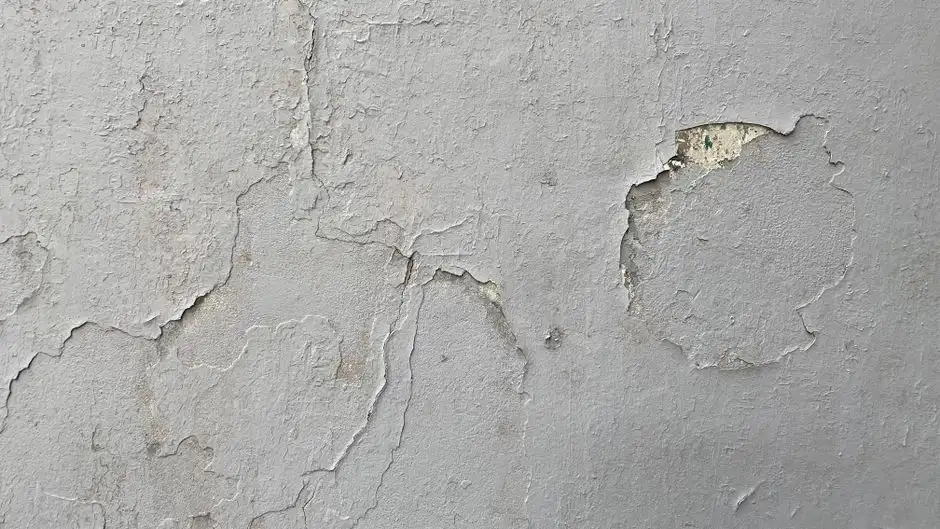
The signs of hidden water damage behind walls in Arlington are a musty smell that will not leave, paint that bubbles or flakes, drywall that feels soft or cool, a baseboard that swells away from the wall, and a water bill that climbs with no change in habits. Those five clues show up in almost every home we open up, and any one of them means moisture is sitting inside a wall cavity right now. What follows is how to confirm it, what it costs to fix in 2026, and when a wall needs to come open.
What Are the Signs of Hidden Water Damage Behind Walls in Arlington TX?
Signs of hidden water damage behind walls in Arlington TX are the visible and sensory clues that moisture is trapped inside a wall cavity - stains, odors, soft drywall, warped trim, and unexplained utility spikes. Water damage behind walls in Arlington rarely announces itself with a puddle. It shows up as a smell in the hallway, a stain on the ceiling below a bathroom, or a baseboard that has pulled away from the sheetrock by a quarter inch.
Here are the clues we look for first:
- Musty, earthy odor in one room or one hallway - not the whole house. That localized smell is the single most reliable indicator of hidden moisture in walls.
- Paint that bubbles, blisters, or peels in a patch smaller than a dinner plate.
- Drywall that feels soft, spongy, or noticeably cooler than the wall next to it.
- Baseboards and door casings that swell, crack, or separate from the wall.
- Brown or yellow rings on ceilings and upper walls, especially under second-floor bathrooms.
- Warped or cupped hardwood or vinyl plank flooring near a wall.
- Water bill up 15% or more month over month with no change in how many people are living there.
One of those alone is worth a look. Two or more in the same room means you should stop guessing and get a moisture meter on the wall.
Why Arlington Homes Hide Water Damage So Well
Arlington homes hide water damage because of how they are built - slab foundations, brick veneer, and plumbing that runs inside the walls rather than under a raised floor. Water has nowhere to drain, so it soaks into the cavity and stays there.
Three local factors make it worse:
Expansive clay soil. The blackland clay under most of Arlington swells when it is wet and shrinks when it is dry. That movement stresses the slab and the supply lines running through it. A pinhole leak in a copper line can drip for months inside a wall before anyone notices.
Brick exteriors. Brick is porous. When a sprinkler head sprays the side of the house for a full summer, or a downspout dumps next to the foundation, water wicks inward. We see this constantly on homes across South Arlington water damage restoration calls where the sprinkler has been hitting the same wall for years.
Attic HVAC units. Most Arlington homes have the air handler in the attic. When the condensate drain pan cracks or the primary drain line clogs - which happens every summer - water runs down inside the wall cavity from the top. By the time a ceiling stain appears, the insulation and top plate have been wet for weeks.
If you have ever had a slab leak repaired, a toilet supply line replaced, or a roof patched after a hailstorm, those are the walls to watch.
How to Detect Hidden Water Damage Behind Walls in Arlington TX
You can detect hidden water damage behind walls in Arlington TX with three tools and one afternoon: your nose, your hands, and a $30 pin-type moisture meter from any hardware store. Here is the sequence we use on a first walk-through.
1. Walk the perimeter of each room slowly
Stop at every exterior wall and every wall that backs up to a bathroom, kitchen, or laundry room. Close your eyes and breathe in near the baseboard. A musty smell at floor level is the earliest sign you will get.
2. Press the drywall with your palm
Run your hand along the bottom 12 inches of the wall. Wet drywall feels cool and slightly soft. Compare it to a wall you know is dry. The difference is obvious once you feel both.
3. Check the moisture meter reading
Push the pins into the drywall about a quarter inch. Anything under 15% is normal for an Arlington home in November. Above 20% means active moisture. Above 28% means the paper facing on the drywall is feeding mold.
4. Look behind the baseboard if you can
Pull one baseboard in the suspect room. If the back of the trim is dark, soft, or covered in white fuzz, you have found the source wall. This is a 10-minute job with a pry bar and a utility knife.
5. Check the water meter with everything off
Turn off every faucet, the ice maker, and the irrigation system. Watch the leak indicator on your water meter for 15 minutes. If it moves, you have a supply-line leak - and in a slab home, that leak is usually inside a wall or under the slab.
If two or more of those checks come back positive, you are past the DIY stage. Water that has been inside a wall for more than 48 hours needs professional drying, not a fan from the garage.
Can Hidden Water Damage Cause Mold in Arlington Texas?
Yes - hidden water damage causes mold in Arlington Texas in as little as 24 to 48 hours once the wall cavity stays above 60% relative humidity. Arlington's average indoor humidity runs 55% to 65% for most of the year, which is already close to the threshold. Add a slow leak and the wall becomes an incubator.
The mold you cannot see is the problem. By the time black or green spots appear on the painted surface, the colony has usually been growing on the back of the drywall and the paper facing for two to three weeks. That is why we treat any wall that reads above 20% moisture as a mold-risk wall, even if it looks clean.
Three things speed mold growth in an Arlington home:
- Warm interior temperatures. Mold grows fastest between 77°F and 86°F. Most Arlington homes sit right in that band.
- Paper-faced drywall. The paper is cellulose - food for mold.
- Poor attic ventilation. Trapped heat and humidity in the attic push moisture down into the wall cavities.
If you smell that musty odor and see any discoloration, do not paint over it. Paint traps the moisture and the mold keeps growing behind the new coat. The wall has to be dried and, in most cases, the affected section of drywall removed and replaced.
Common Mistakes Arlington Homeowners Make
The most common mistake is waiting. A wall that reads 22% moisture today will read 30% in a week if the source is still active, and the repair cost roughly doubles once mold remediation is added.
Other mistakes we see on almost every job:
- Painting over a water stain. The stain comes back within a month and the moisture stays trapped.
- Running a box fan and calling it dried. A box fan moves air across the surface. It does not pull moisture out of the drywall, insulation, or the wall cavity. You need an air mover plus a dehumidifier running for 3 to 5 days.
- Ignoring a small ceiling stain under a bathroom. That stain is almost always a failed wax ring or a cracked shower pan - a $200 fix that becomes a $3,000 repair if the subfloor and joists stay wet.
- Assuming insurance will not cover it. Most Arlington homeowner policies cover sudden and accidental discharge - a burst supply line, a failed water heater, an overflowing toilet. They typically do not cover long-term seepage. The sooner you document it, the cleaner the claim.
- Cutting the drywall yourself without checking for asbestos or lead. Homes built before 1980 in Arlington may have textured ceilings or joint compound with asbestos. Test before you demo.
If you have already made one of these moves, it is not too late. We can still dry the wall and stop the damage from spreading.
When to Call a Professional
Call a professional when the moisture meter reads above 20%, when the smell has been there for more than three days, or when the wet area is larger than a 2-foot by 2-foot square. Those three thresholds are where DIY drying stops working and structural damage starts.
Our team at Water Damage Restoration Experts handles the full job - we find the leak, extract any standing water, open the wall where it needs to open, and run commercial drying equipment until the cavity reads dry. We use thermal imaging cameras to map the moisture without tearing out more drywall than necessary, and we take daily moisture readings so you can see the numbers coming down.
If the water came from a storm or a flooded area, we also handle flood water removal arlington TX and full flood damage cleanup arlington TX. If it is a slow supply-line leak inside a wall, the job is smaller - usually 3 to 5 days of drying and a drywall patch.
Typical 2026 pricing in the Arlington area runs $1,200 to $3,500 for a single-wall hidden leak with drying and minor drywall repair. Add $1,500 to $4,000 if mold remediation is required. We give you the number before we start, and we do not add line items you did not approve.
Frequently Asked Questions
What are the signs of hidden water damage behind walls in Arlington TX?
The top signs are a musty odor in one room, paint that bubbles or peels, soft or cool-feeling drywall, swollen baseboards, and a water bill that jumps 15% or more. Any two of those together mean moisture is trapped in the wall cavity.
How do I know if I have water damage behind my walls in Arlington?
Use a pin-type moisture meter on the drywall. A reading above 20% means active moisture. Also check your water meter with everything off - if the leak indicator moves, you have a supply-line leak inside a wall or under the slab.
Can hidden water damage cause mold in Arlington Texas?
Yes. Mold can start growing in 24 to 48 hours once a wall cavity stays above 60% relative humidity. Arlington's indoor humidity already runs 55% to 65%, so a slow leak pushes a wall into mold territory fast. By the time you see spots, it has been growing for weeks.
How much does it cost to fix hidden water damage behind a wall in Arlington?
In 2026, expect $1,200 to $3,500 for a single-wall leak with drying and minor drywall repair. If mold remediation is needed, add $1,500 to $4,000. Most sudden-discharge leaks are covered by homeowner insurance.
How long does it take to dry out a wall in Arlington?
Three to five days with commercial air movers and a dehumidifier running continuously. A box fan will not do it. We take daily moisture readings and do not close the wall until the cavity reads under 15%.
Get Help With Water Damage Restoration in Arlington
If you have smelled that musty odor, felt a soft spot in the drywall, or watched your water bill climb for no reason, the wall is not going to dry itself. We handle water damage restoration arlington TX for homeowners across the city, and we can be at your door today.
Call +1 (817) 761-4255 and we will find the source, dry the wall, and give you a straight answer on what it costs.