For homes
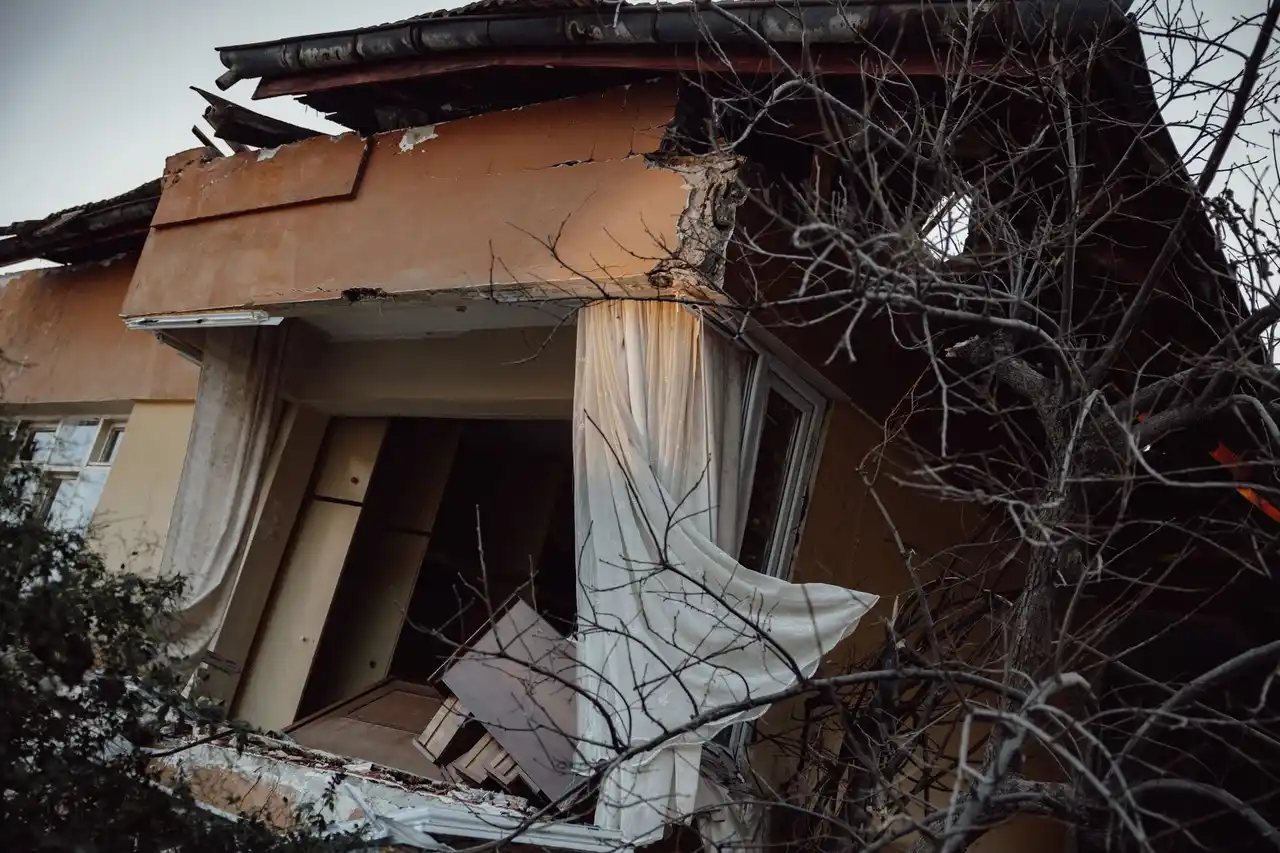
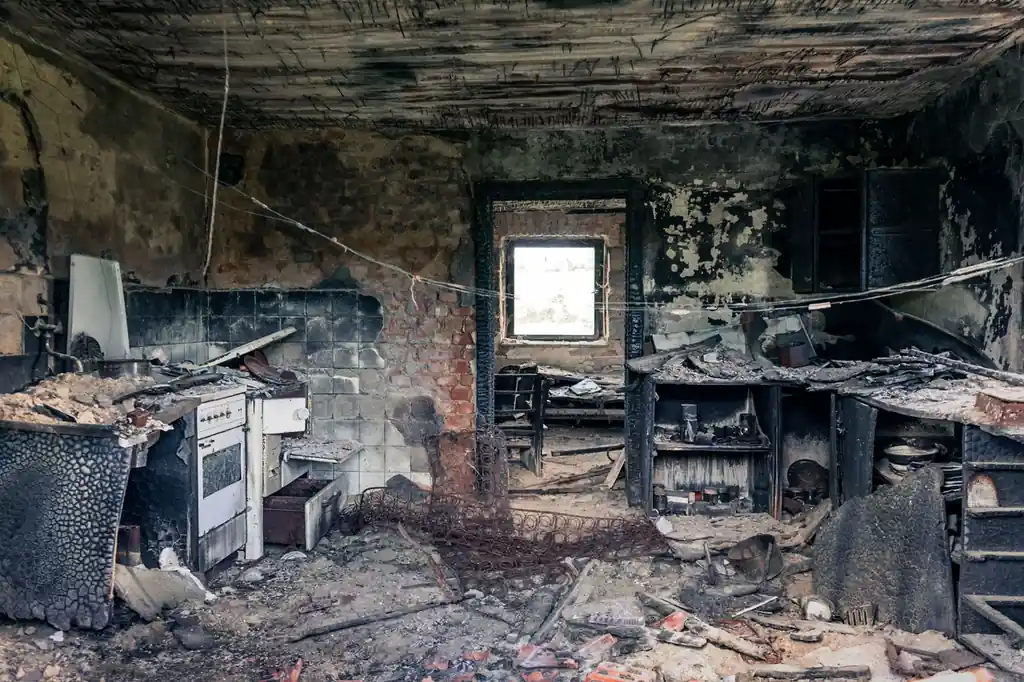
We dry walls and ceilings in houses, apartments, and condos across Arlington. Equipment is placed to protect floors and furniture while drying runs.
- Ceiling stain after roof leak
- Wet wall from burst pipe
- Damp baseboards from slab leak
When a pipe bursts or a roof leak soaks your drywall, wall and ceiling drying Arlington TX is the difference between a patch job and a full rebuild. We dry wet walls and ceilings in Arlington, Texas homes and businesses using truck-mounted extractors, air movers, and dehumidifiers. If you are searching for wall and ceiling drying near me Arlington TX, call us before mold sets in.
 Moisture mappedDaily readingsEquipment set
Our wall and ceiling drying service covers inspection, moisture mapping, extraction of trapped water, equipment setup, daily monitoring, and final verification. We handle the drying; drywall patching, paint, and texture repairs are separate. Here is what you get when we dry your walls and ceilings in Arlington.

We use moisture meters, thermal imaging cameras, and hygrometers to find every wet zone in your walls and ceilings. We mark boundaries and photograph readings so you can see the affected area. This step takes 30 to 60 minutes and sets the drying plan.
Water pooled in ceiling cavities or behind baseboards gets removed with truck-mounted extractors, portable extractors, and wet vacuums. We drill weep holes in bulging ceiling drywall to drain trapped water safely. This prevents water from spreading while drying runs.
We position air movers to create airflow across wall and ceiling surfaces and dehumidifiers to pull moisture from the air. In closed cavities we use drying mats or inject dry air behind the drywall. Equipment runs continuously until readings show dry standard.
We apply antimicrobial solutions and disinfectants to wet framing and drywall surfaces to stop mold growth. If mold is already present, we document it and recommend remediation. This step protects your indoor air quality and your structure.
Each day we record moisture content, temperature, and relative humidity. We adjust equipment placement as readings change and give you a log of the readings. You can see progress and know when drying will finish.
We compare moisture readings to an unaffected control area and confirm dry standard before removing equipment. You get a completion report with photos and readings for your records or insurance claim. We also note any drywall or paint repairs still needed.
The approach is the same for a home and a business. What changes is the access, the schedule and who needs the paperwork.
We dry walls and ceilings in houses, apartments, and condos across Arlington. Equipment is placed to protect floors and furniture while drying runs.
We dry walls and ceilings in offices, retail, and warehouses with minimal downtime. Work is scheduled around your operating hours.
A plain-language look at what Wall and Ceiling Drying involves and when it is needed.
See how it worksWall and ceiling drying Arlington TX is the controlled removal of moisture from drywall, plaster, insulation, and framing after a leak, flood, or storm. Water wicks upward through gypsum board and pools in ceiling cavities, so the surface can feel dry while the core stays wet. We use moisture meters, thermal imaging cameras, and hygrometers to map exactly where water traveled, then place air movers and dehumidifiers to pull it out. Drying stops mold growth, prevents ceiling water stains from spreading, and keeps drywall from sagging or crumbling.
Arlington sits in Tarrant County where clay soil shifts after heavy rain, slab leaks are common in older homes, and summer humidity slows natural drying. A slow supply-line leak behind a cabinet or a roof leak after a spring storm can soak ceiling drywall for days before you notice a stain. If you need emergency wall and ceiling drying Arlington, we respond fast. We also handle wall and ceiling drying after water damage Arlington Texas homeowners deal with from burst pipes, frozen lines, and appliance failures.
Drying walls and ceilings in place saves the structure when moisture is mapped and monitored daily.
Every wall and ceiling drying job follows the same proven sequence. You get a clear plan, daily updates, and equipment that runs until the moisture is gone. Here is how we handle wall and ceiling drying in Arlington, Texas from call to completion.
We walk the affected rooms, ask what happened and when, and check for hidden moisture. Moisture meters, thermal imaging cameras, and hygrometers show us how far water traveled inside the walls and ceiling. We photograph readings and mark wet zones. This takes 30 to 60 minutes and tells us exactly where to place equipment.
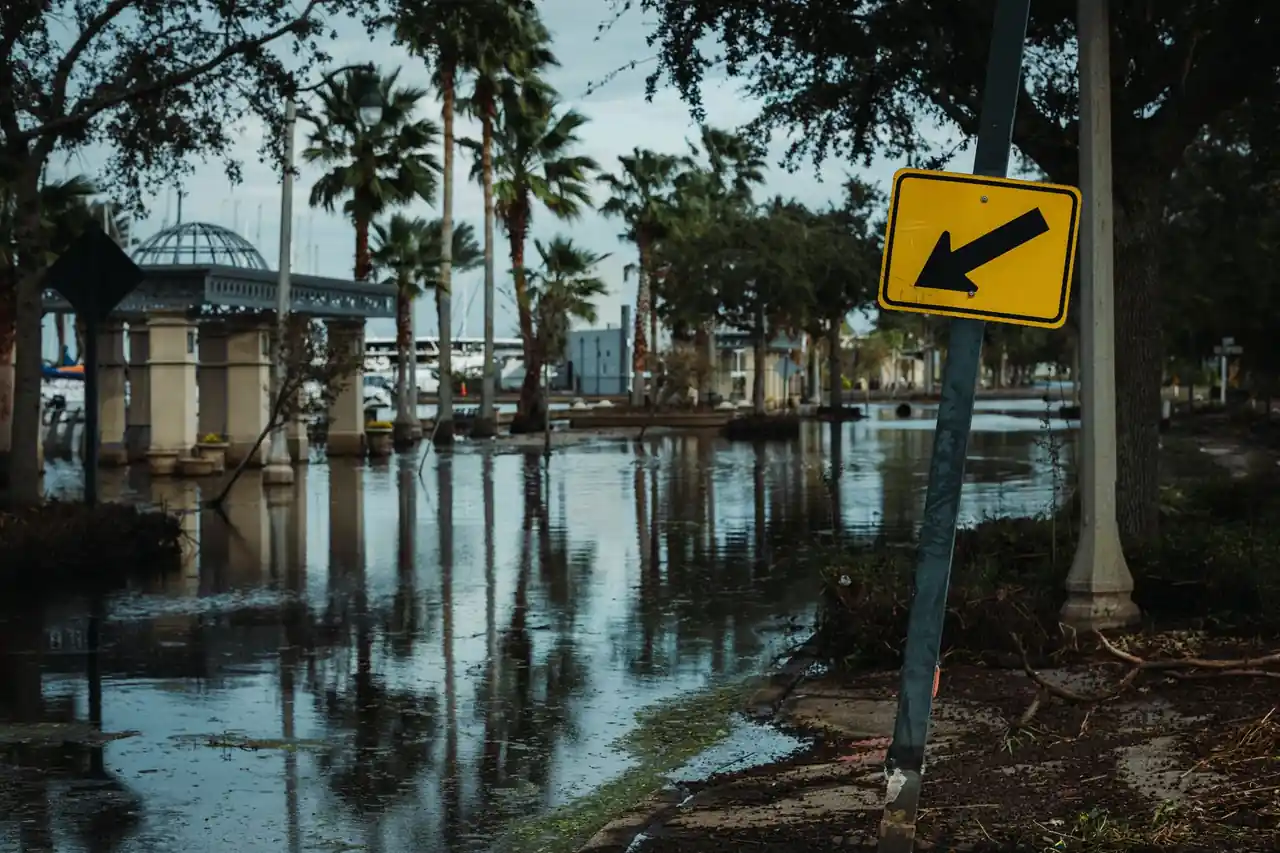
If water is still pooled in ceiling cavities or along the wall base, we remove it with truck-mounted extractors or portable extractors and wet vacuums. We drill small weep holes in bulging ceiling drywall to drain trapped water safely. This step prevents water from spreading deeper into the structure while drying runs.

We position air movers to create airflow across wall and ceiling surfaces, and dehumidifiers to pull moisture out of the air. In closed cavities we use drying mats or inject dry air behind the drywall. Desiccants may be used in tight spaces. Equipment runs continuously and we check it daily.

Each day we return to record moisture content, temperature, and relative humidity. We adjust equipment placement as readings change. You get a log of the readings so you can see progress. Most walls reach dry standard in three to five days, though dense materials or heavy saturation can take longer.

When moisture meters show dry standard against an unaffected control area, we remove the equipment. We do a final walk-through with you, note any drywall or paint repairs needed, and leave the space clean. If mold was present, we document remediation. You get a completion report for your records or insurance claim.

Move across a circle, or focus it and press Enter, for an illustrative thermal view of the photograph.
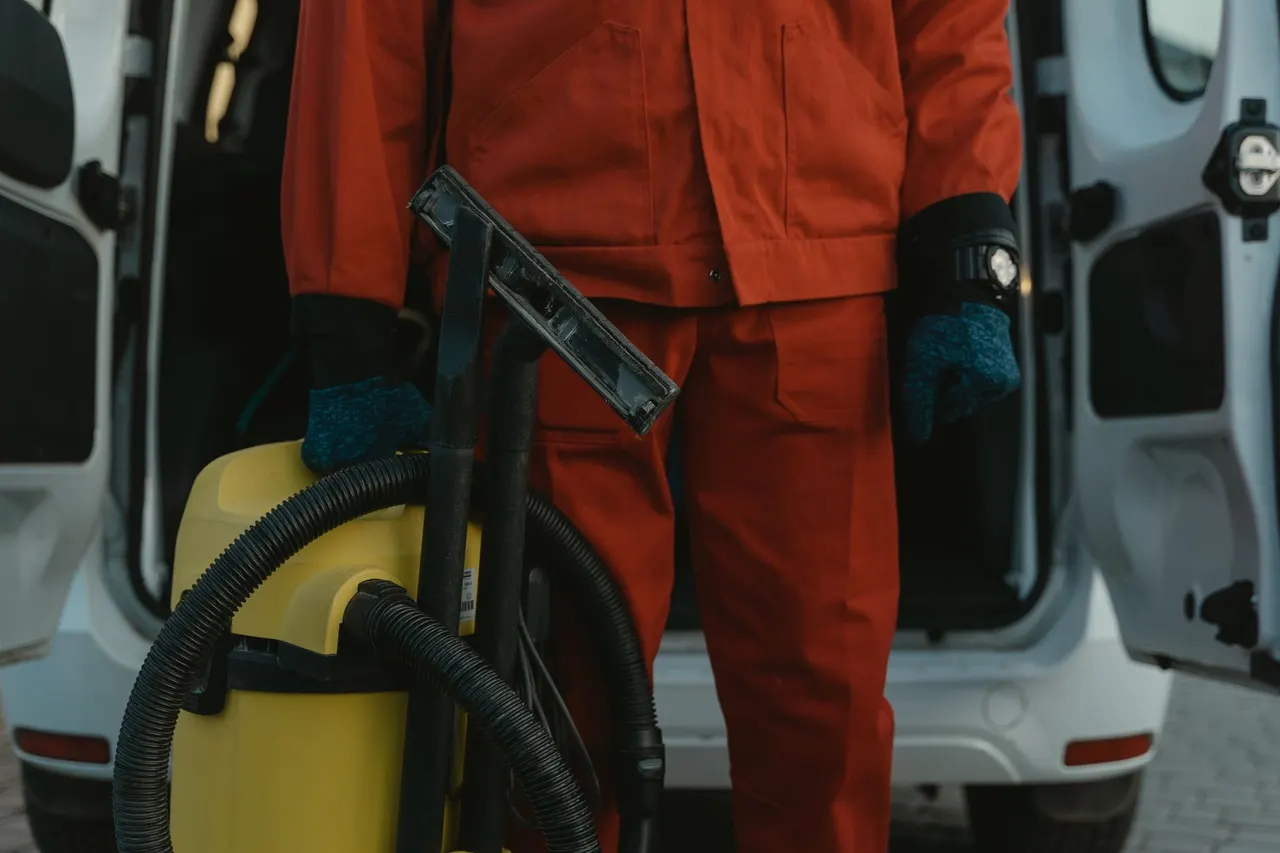
Remove large volumes of standing water from floors and ceiling cavities quickly. They provide stronger suction than portable units and speed up the drying timeline.
Reach tight spaces like closets, cabinets, and ceiling cavities where a truck mount cannot go. Used for final water removal before drying equipment is set.
Create high-velocity airflow across wall and ceiling surfaces to evaporate moisture. Placement is based on moisture readings and room layout.
Pull moisture out of the air so wet walls and ceilings can release their water. We size them to the room volume and moisture load.
Measure moisture content in drywall, wood, and air. We use them daily to track drying progress and confirm dry standard.
Thermal views are illustrative, generated from the photographs.
Reveal hidden water behind walls and above ceilings without opening them up. They help us map the full extent of the moisture.
Dry wall cavities and hardwood floors without removing drywall. They force dry air behind the surface to reach trapped moisture.
We follow IICRC S500 drying principles to set equipment, monitor readings, and confirm dry standard. This gives you a documented, repeatable process that insurance adjusters recognize.
We map wet zones with moisture meters and thermal imaging before setting equipment. This ensures air movers and dehumidifiers are placed where they are needed, not just where the damage is visible.
We record moisture content, temperature, and relative humidity every day. The log shows drying progress and tells us when to adjust or remove equipment.
We apply antimicrobial solutions and disinfectants to wet framing and drywall surfaces. This stops mold growth during drying and protects indoor air quality.
A pipe bursts in an upstairs bathroom and water runs down through the ceiling below.
We shut off the water, extract standing water, and drill weep holes in the ceiling to drain trapped water. Then we set air movers and dehumidifiers on both floors and dry the ceiling cavity and walls.
Outcome: The ceiling dries in three to five days without full replacement, and the downstairs rooms are saved.

A roof leak after a spring storm soaks the ceiling drywall in a bedroom.
We tarp or repair the roof entry if needed, then map moisture across the ceiling and walls. We dry the ceiling in place with air movers and dehumidifiers and treat the area with antimicrobial.
Outcome: The stain stops spreading, mold is prevented, and the ceiling is ready for paint after drying.
A slab leak soaks the wall in a hallway and the base of adjacent rooms.
We locate the leak, stop it, and use moisture meters and thermal cameras to find how far water traveled. We dry the walls and floors together with drying mats and air movers.
Outcome: The wall dries without demolition, and the floor finish is saved in most cases.
A commercial building has a supply line failure that soaks walls and ceiling tiles overnight.
We respond after hours, extract water, and set drying equipment around the affected walls and ceilings. We work around your schedule and monitor daily so you can reopen fast.
Outcome: Walls and ceilings dry in three to four days, and the business reopens with minimal downtime.
A washing machine supply line leaks slowly and soaks the wall behind it for weeks.
We find the hidden moisture with thermal imaging, apply antimicrobial, and dry the wall cavity with injector systems and drying mats. We document readings for your insurance claim.
Outcome: The wall dries in place, mold is stopped, and you avoid replacing the entire wall.
Arlington sits in Tarrant County where clay soil expands and contracts with the seasons, cracking supply lines and causing slab leaks. Summer humidity slows natural drying, and spring storms drive water through roofs and windows. Older homes in neighborhoods like Interlochen and Dalworthington Gardens often have plaster walls that hold moisture longer than modern drywall.
Newer builds in Viridian and Southeast Arlington use engineered materials that dry faster but can hide water behind vapor barriers. We adjust our drying plan to the building stock and the season. We also know local code requirements for moisture barriers and insulation, so repairs pass inspection the first time.
Before: A supply line burst in an upstairs bathroom and water ran through the ceiling below for hours. The ceiling drywall was sagging and stained across a 10-foot span. Moisture readings showed the ceiling cavity was saturated.
After: We drilled weep holes to drain trapped water, set air movers and dehumidifiers, and dried the ceiling in four days. Moisture readings returned to dry standard. The ceiling needed only patching and paint, not replacement.
Check supply lines under sinks and behind toilets each year. Install a water alarm near the water heater and washing machine to catch leaks early.
Before: A slab leak soaked the hallway wall and baseboards in a Southwest Arlington home. The wall felt damp and paint was bubbling. Thermal imaging showed water had traveled six feet along the wall cavity.
After: We stopped the leak, applied antimicrobial, and dried the wall cavity with injector systems and drying mats. The wall reached dry standard in five days. Paint was touched up and the baseboards were saved.
Watch for warm spots on floors and unexplained increases in your water bill. Both can signal a slab leak before visible damage appears.
Before: A supply line failure in a Downtown Arlington office soaked ceiling tiles and walls in two rooms overnight. The business needed to reopen the next morning. Moisture readings showed the ceiling cavity was wet across 400 square feet.
After: We extracted water, set drying equipment, and monitored daily. The ceiling and walls dried in three days. The business reopened the next morning with equipment running in the affected rooms.
Schedule annual plumbing inspections for commercial supply lines. Install leak detection sensors in mechanical rooms and above ceilings.
Water in walls and ceilings causes problems that get worse every day. Here are the most common issues we solve for Arlington homeowners and businesses, and what happens if they are ignored.
Dry walls and ceilings in place, documented and verified.
Mold can colonize wet drywall in 24 to 48 hours. We apply antimicrobial solutions and dry the cavity fast enough to keep mold from taking hold. If you have ever dealt with mold growth behind a wall, you know the cleanup costs far more than drying does. We document moisture readings so you can prove the wall was dried properly.
Drywall that dries within 48 to 72 hours often needs only patching and paint, not full replacement. We use drying mats and directed airflow to pull water out of the paper facing and gypsum core. That saves you the cost of hanging, taping, and texturing new sheets. In many Arlington homes we dry the wall in place and avoid demolition entirely.
A ceiling holding trapped water can sag, crack, and fall. We locate the water with thermal imaging cameras, drain it safely, and dry the joists and insulation above. Ceiling drying Arlington TX done right protects light fixtures, attic insulation, and the structural framing. You avoid a ceiling replacement and the mess that comes with it.
Water damage stalls renovations, closings, and tenant move-ins. Our wall and ceiling drying services Arlington Texas teams work around your schedule and set equipment so drying runs continuously. Most residential wall and ceiling drying takes three to five days. We monitor daily and remove equipment as soon as readings hit dry standard, so your next step is not held up.
Clear records you can keep and share.
Daily readings recorded
Before and after images
Final verification readings
Equipment and areas listed
Water damage drying depends on what kind of water soaked the structure and how far it traveled.
From supply lines and rain
From appliances and sinks
From sewage and floods
A list like this tells people straight away whether you cover their street. Not listed? Call and ask: it only takes a minute.
Based in arlington and covering the places around it. Pick one for local details.
If you file an insurance claim, your out-of-pocket cost is often just your deductible. We provide a written scope and Xactimate estimate before work begins.
Most wall and ceiling drying in Arlington takes three to five days. Light saturation in a single room can dry in two to three days. Heavy saturation, dense materials like plaster, or water that has been trapped for over a week can take seven to ten days. We monitor daily and remove equipment as soon as moisture meters show dry standard.
Yes. Wet walls and ceilings can be dried in Arlington Texas without full demolition in most cases. We use air movers, dehumidifiers, drying mats, and injector systems to dry behind drywall and above ceilings. If drywall is sagging, crumbling, or contaminated by sewage, we remove and replace that section. Otherwise, we dry it in place and save the structure.
Yes. We dispatch same-day and typically arrive within 60 to 90 minutes. We bring extraction and drying equipment on the first visit, so drying starts immediately. Call us at +1 817-761-4255 when you find water in your walls or ceiling.
Other services from the same team.
Water in your walls or ceiling will not wait. Call +1 817-761-4255 and we will send a crew to your Arlington address.
Call us any time and describe what happened. We ask a few questions about the water source and how long it has been running, then get a crew headed your way. If you prefer email, send photos of the damage and we will follow up with next steps.