Water Stains on Your Ceiling? Signs of Hidden Moisture in Arlington Homes
Brown rings, bubbling paint, and that musty smell mean moisture is still active above your ceiling. Here's how Arlington homeowners find the source before it spreads.
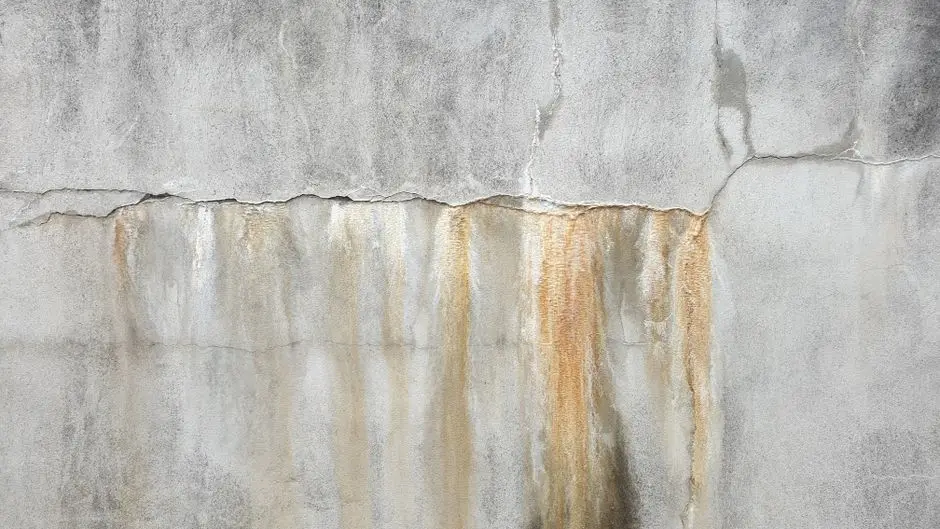
Water stains on ceiling signs of hidden moisture Arlington homeowners see most often mean an active leak is still feeding that stain from above - the brown ring is the visible edge of a wet area that has already soaked drywall, insulation, and often the framing behind it. A stain that grows, feels damp, or smells musty is not cosmetic; it is an active moisture problem. Below we cover what causes these stains in Arlington, how to trace the source, what repair costs look like in 2026, and when it is time to bring in a pro.
What Water Stains on Your Ceiling Actually Mean
A ceiling water stain is a mineral deposit left behind when water migrates through drywall and evaporates at the surface - it is evidence of moisture that has already traveled through the assembly, not a surface blemish. The ring forms at the outer edge where the wet zone stops; the darker center is where water pooled longest.
That distinction matters because painting over a stain without fixing the source is the single most common mistake we see. The stain comes back within weeks, and by then the drywall behind it has usually softened enough to sag. If the stain is warm to the touch, the leak is active right now. If it is cool and dry, the leak may be intermittent - which is common with HVAC condensate lines and shower pans that only leak under certain conditions.
For homeowners across the city, water damage restoration arlington TX starts with finding that source, not scrubbing the stain. We trace the moisture back to its origin before we touch the ceiling.
What Causes Water Stains on Ceilings in Arlington TX?
Water stains on ceilings in Arlington TX come from a short list of sources, and where you live in the city usually narrows it down fast. The clay soil across much of Tarrant County shifts with our wet-dry cycles, and that movement stresses supply lines, drain stacks, and roof flashing in ways that show up as ceiling stains months later.
Roof and attic leaks
North Texas hail and wind-driven rain push water past flashing, ridge vents, and pipe boots. A single compromised pipe boot can drip for months before the stain reaches the ceiling below. Attic stains often show up on the north-facing slope last because that side dries slowest.
Plumbing supply and drain leaks
Supply lines in the attic or between floors, toilet flanges, and shower pans are the usual suspects for second-floor stains. A pinhole leak in a copper line can lose a quart a day into your ceiling without ever showing a puddle.
HVAC condensate and drain pans
When the AC runs hard from May through September, a clogged condensate drain or a rusted pan overflows into the ceiling below the air handler. This is one of the most common causes we find in Arlington homes built in the 1980s and 1990s.
Appliance and fixture failures
Water heater tanks, washing machine hoses, and dishwasher supply lines all sit above or near ceilings in many two-story layouts. A slow drip from a failing water heater T&P valve can soak a ceiling for weeks before you notice.
If the leak has already spread into a lower level, our team handles water removal arlington TX with truck-mounted extraction and moisture mapping so we can see the full footprint before we start drying.
Signs of Hidden Moisture Beyond the Stain
Hidden moisture signs in Arlington homes go well past the visible ring. The stain is the symptom; the moisture is the problem, and it usually announces itself in several ways at once.
- Paint bubbling or peeling - moisture pushing latex paint off the drywall from behind.
- Soft or spongy drywall - press gently with a screwdriver handle; if it gives, the paper facing is compromised.
- Musty odor - a damp, earthy smell that gets stronger when the AC kicks on.
- Sagging ceiling - the drywall has absorbed enough water to pull away from the joists.
- Higher humidity indoors - indoor RH above 60% in a home without a whole-house humidifier usually points to a hidden source.
- Increased allergy symptoms - mold spores released from wet drywall and insulation.
- Warm or cool spots on the ceiling - a thermal clue that water is actively moving.
Two or more of these together mean the moisture has been there long enough to support microbial growth. Mold can colonize wet drywall in 24 to 48 hours, and by the time you smell it, the colony is usually behind the paint, not on it.
How to Find Hidden Moisture in Arlington Homes
How to find hidden moisture in Arlington homes comes down to three tools and a process: a moisture meter, a thermal camera, and a systematic walk of every surface above the stain. We use all three on every call because the stain location rarely matches the leak location.
Step 1: Map the stain
Mark the outer edge of the stain with painter's tape and date it. If the tape line is breached in a week, the leak is active. If it holds for a month, the source may be intermittent.
Step 2: Check the obvious above
Attic, second-floor bathroom, and the air handler closet are the first three places to look. Look for wet insulation, stained roof decking, and standing water in the drain pan.
Step 3: Meter the ceiling
A pin-type moisture meter reads the drywall at the stain and 12 inches out in every direction. Readings above 16% on drywall indicate active moisture; above 20% means the drywall is likely unsalvageable.
Step 4: Thermal scan
An infrared camera shows the cool plume of evaporating water behind the paint. This is how we find leaks that a moisture meter misses - especially slab and second-floor supply lines.
Step 5: Trace to the source
Once we know the wet zone, we isolate the source. If it is a plumbing leak, we fix it. If it is a roof or HVAC issue, we coordinate the repair, then dry the structure. Our wall and ceiling drying arlington TX service uses injection drying to dry inside the wall cavity and above the ceiling without tearing out more drywall than necessary.
What to Watch Out For: Common Mistakes
The mistakes we see most often in Arlington homes cost homeowners hundreds to thousands of dollars in avoidable repairs. Here are the ones to avoid.
- Painting over the stain. Stain-blocking primer hides the color, not the moisture. The leak keeps feeding the drywall and the stain returns within weeks.
- Assuming a dry stain is a dead leak. Intermittent leaks - HVAC condensate, shower pans, and roof flashing - can go weeks between drips.
- Cutting out the drywall before finding the source. You end up with a hole and still no answer. Find the leak first, then open the ceiling.
- Running a box fan and calling it dried. Air movement alone does not dry inside a wall cavity or above a ceiling. You need directed airflow, dehumidification, and moisture readings to confirm.
- Ignoring the smell. If it smells musty, mold is already growing. Waiting a week to "see if it dries out" usually means a bigger remediation bill.
If the leak has been running long enough to soak insulation and framing, the fix is more than a patch. Our structural drying arlington TX process dries the framing and sheathing to verified moisture content before any drywall goes back up.
When to Call a Professional
Call a professional when the stain is larger than a dinner plate, when the ceiling feels soft or sagging, when you smell musty air, or when you cannot find the source within an hour of looking. Those four conditions mean the moisture has moved past the surface and into the structure.
We handle the whole job: locate the leak, extract standing water, dry the ceiling and framing, and verify with moisture readings before we close anything up. If the source is a plumbing or roof issue, we coordinate with the right trade so you are not chasing three contractors. We give you upfront pricing before we start, and we do not leave until the readings say dry.
If you are in one of the older neighborhoods where 1950s and 1960s homes have original cast-iron drains and galvanized supply lines, the risk of hidden leaks is higher. We see this often in water damage restoration in Central Arlington, where mature trees and aging plumbing combine to stress lines year after year.
Frequently Asked Questions
What causes water stains on ceilings in Arlington TX?
Roof leaks from hail and wind-driven rain, plumbing supply or drain leaks, HVAC condensate overflow, and appliance failures are the top four causes in Arlington. The clay soil and wet-dry cycles here also stress underground and slab lines, which can show up as ceiling stains on the first floor.
Do ceiling water stains mean hidden moisture in Arlington?
Yes, in nearly every case. A brown or yellow ring means water has already traveled through the drywall. Even if the surface feels dry, the assembly behind it usually holds moisture above 16%, which is enough to support mold growth within 24 to 48 hours.
How do I fix water stains on my ceiling in Arlington Texas?
Find and fix the leak first, then dry the structure to verified moisture content, then repair the drywall and prime with a stain blocker. Skipping the drying step is why most DIY stain fixes fail within a month. Typical 2026 pricing in Arlington runs $350 to $900 for a small ceiling repair with drying.
How long does ceiling drying take?
Most ceiling and wall cavities dry in 3 to 5 days with professional air movers and dehumidification. Thick plaster ceilings in older Arlington homes can take 5 to 7 days. We check moisture readings daily and do not stop until the drywall and framing are back to normal levels.
Will my insurance cover ceiling water stain repair?
Sudden and accidental leaks - burst pipe, appliance failure, storm-driven roof leak - are usually covered. Long-term seepage that the homeowner should have noticed is often excluded. We document the source, moisture readings, and affected materials so your adjuster has what they need.
Get Help With Water Damage Restoration in Arlington
If you have a ceiling stain that is growing, damp, or musty, the moisture is still there - and it will not dry out on its own. We find the source, dry the structure, and repair the damage so it does not come back.
Call Water Damage Restoration Experts at +1 (817) 761-4255 for same-day service across Arlington and the surrounding Tarrant County area.