Why Does Hardwood Flooring Cup After Water Exposure?
Cupping happens when the underside of a board absorbs water and swells while the top stays dry. Here's why Arlington homes see it and how to fix it before it's permanent.
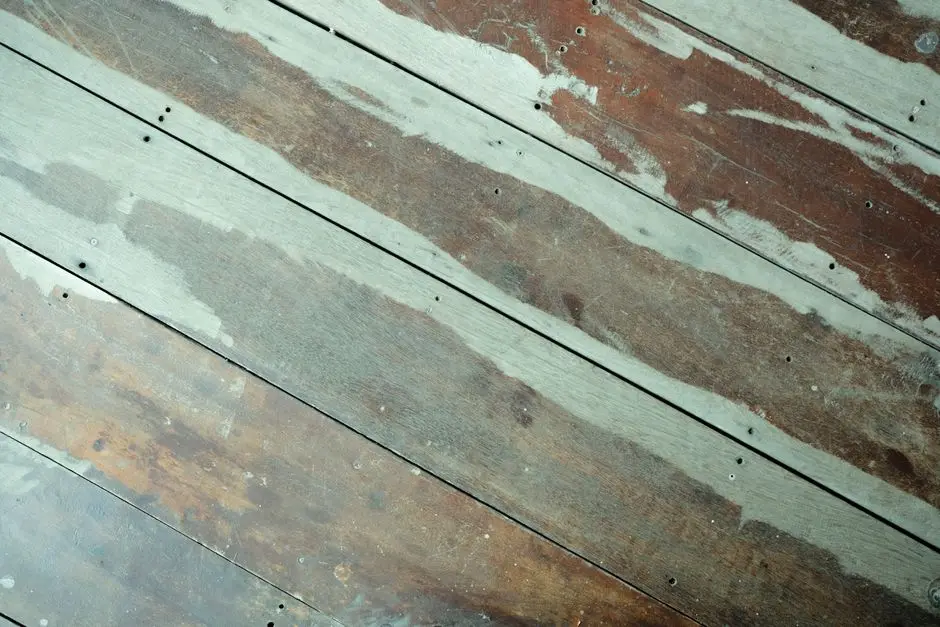
Hardwood flooring cups after water exposure because the bottom of the board absorbs moisture and swells while the top surface stays dry. That uneven swelling pushes the edges up and the center down, creating the concave shape you see. The fix depends on how long the moisture has been there and whether the wood has already taken a permanent set.
We see this in Arlington homes every week, and the outcome is almost always better when you catch it in the first 48 hours. Here's what's happening under the surface, how fast it moves, and what we do to flatten a cupped floor before it has to be replaced.
The Short Answer: Why Wood Cups
Wood is hygroscopic, which means it constantly exchanges moisture with the air and anything it touches. When the underside of a plank sits on a wet subfloor, those bottom fibers pull in water and expand. The top fibers, still dry, don't move. The board has nowhere to go but up at the edges.
That's the entire mechanism. Cupping is not a stain, a finish problem, or a manufacturing defect. It is a moisture imbalance across the thickness of the board.
Three things drive how bad it gets:
- How much water touched the floor - a slow pinhole leak under a dishwasher vs. an inch of standing water from a burst supply line.
- How long it sat - hours matter. Days change the outcome.
- What's underneath - a plywood subfloor wicks water differently than a concrete slab, and Arlington has plenty of both.
If you catch it early, drying the subfloor and the boards usually lets the wood relax back to flat. If you wait, the fibers take a permanent set and no amount of drying will bring the edges back down.
Why Arlington Homes See Cupping More Often Than You'd Think
Arlington sits on expansive clay soil, and that clay moves with every wet and dry cycle. A slab foundation that shifts opens small gaps at plumbing penetrations, and water finds them. We see it constantly in older ranch homes across water damage restoration in East Arlington, where original cast-iron drain lines and 1960s slab construction meet North Texas soil that swells after a heavy spring rain.
Add our climate to the mix. Arlington averages around 39 inches of rain a year, and most of it lands in bursts - a two-inch storm in an afternoon is normal here. That water has to go somewhere, and when it can't drain away from the foundation, it wicks under the house and straight into the subfloor.
Two other local factors show up in our moisture readings again and again:
- HVAC condensation lines that clog in July and August, dripping slowly under the air handler for weeks before anyone notices.
- Water heater failures in garages and closets, which often sit against a wall that backs up to a hardwood hallway or dining room.
None of these look dramatic. That's the problem. A slow leak gives the wood plenty of time to cup before you see a puddle.
How Fast Does Cupping Happen?
Cupping can start within 24 to 48 hours of continuous moisture exposure. Visible edge lift usually shows up in that window on solid 3/4-inch oak, which is the most common hardwood in Arlington homes built before 2000.
Engineered hardwood, which has a plywood core, behaves differently. It resists cupping longer - sometimes 3 to 5 days - but once the core delaminates, it's done. You can't dry a separated core back together.
Here's a rough timeline we use when we're talking to homeowners:
- 0-24 hours: Moisture wicks into the subfloor and the bottom of the boards. No visible cupping yet, but a moisture meter already reads high.
- 24-72 hours: Edges start to lift. You can feel the ridges with a bare foot or a straightedge.
- 3-7 days: Cupping is obvious. Crowning - where the center of the board rises above the edges - can begin if the top dries faster than the bottom.
- 7+ days: Permanent set. The wood has physically changed shape, and sanding is the only fix short of replacement.
The takeaway: the clock starts the moment water touches the floor, not the moment you see the cup.
Can Cupped Hardwood Floors Be Repaired in Arlington?
Yes, cupped hardwood floors can be repaired in most Arlington cases if the moisture source is stopped and the floor is dried within the first week. The earlier you act, the higher the chance the boards relax back to flat on their own.
We break it into three outcomes:
- Fully reversible: Caught in the first 48-72 hours, moisture source fixed, professional drying started. Boards return to flat or within 1/32 inch of flat.
- Partially reversible: Caught in the first week. Most boards recover, but a few in the wettest zone stay slightly cupped. Light sanding and refinishing blends them.
- Permanent: Past 7-10 days, or engineered flooring with a delaminated core. Those boards get replaced.
What we can't do is dry a floor that's still getting wet. If the supply line is still dripping or the slab is still wicking, every hour of drying is wasted. Step one is always stopping the water.
How to Fix Cupping Hardwood Floors in Arlington
Fixing cupping is a drying job first and a flooring job second. Skip the drying and you're just sanding a floor that will cup again next month.
Here's the process we run:
- Find and stop the moisture source. Supply line, drain line, appliance leak, foundation intrusion - it has to be fixed before anything else.
- Map the moisture. Pin and pinless meters across the affected area and into the dry zone, so we know exactly how far the water traveled. Water moves farther under hardwood than most people expect - often 3 to 5 feet past the visible damage.
- Extract standing water. If there's any water still on the surface or in the subfloor, it comes out first. Our team handles this with hardwood floor water damage arlington equipment sized for the square footage.
- Dry from the bottom up. This is the part most homeowners get wrong. You have to dry the underside of the boards, not just the top. We use floor mats, injection drying, and controlled airflow under the floor where access allows.
- Pull the room's humidity down. Drying a floor in a humid room is like mopping in the rain. We run dehumidification services arlington TX alongside the air movers to keep the ambient humidity in the 40-50% range.
- Monitor daily. Moisture readings every 24 hours until the wood hits its dry standard - usually 6-9% moisture content for Arlington's climate.
- Sand and refinish if needed. Once the floor is dry and stable, light sanding flattens any remaining edge lift. Then stain and finish to match.
Most residential jobs take 3 to 5 days of active drying. Larger areas or slab-on-grade homes can run 7 to 10 days.
Common Mistakes That Make Cupping Worse
The fastest way to turn a repairable floor into a replacement job is to dry it wrong. We've walked into homes where a well-meaning homeowner made things worse in a single afternoon.
Watch for these:
- Running a household fan on the floor. A box fan pushes room air across the top of the boards, drying the surface faster than the bottom. That's how you get crowning - the opposite problem, and it's permanent.
- Cranking the heat. Turning the thermostat to 85°F dries the top of the wood and the air, but does nothing for the wet subfloor. It also warps the boards unevenly.
- Opening windows in humid weather. Arlington's outdoor humidity in spring and fall is often 70%+. You're pulling moisture back into the room you're trying to dry.
- Sanding before the floor is dry. Sand a wet floor and it will cup again as it finishes drying - except now you've removed material and the fix is more expensive.
- Assuming the leak is where the cup is. Water travels. The wettest board is often 4 feet from the actual source.
If you've already done one of these, it's not the end of the world. Call us before you do anything else and we'll assess what's salvageable.
How Do I Prevent Hardwood Floor Cupping in Arlington Texas?
Preventing hardwood floor cupping in Arlington Texas comes down to three things: keep water away from the subfloor, keep indoor humidity stable, and check the spots where leaks hide.
What actually works:
- Keep indoor humidity between 40% and 50% year-round. A $15 hygrometer from any hardware store tells you where you stand. In summer, run the AC and a dehumidifier if needed. In winter, a whole-home humidifier keeps the wood from shrinking and gapping.
- Inspect under every water source twice a year. Under the kitchen sink, behind the dishwasher, around the water heater, and at the washing machine supply lines. Those braided hoses fail at the crimp - replace them every 5 years whether they look fine or not.
- Watch the exterior. Make sure gutters drain at least 6 feet from the foundation and the soil slopes away from the house. Arlington's clay soil holds water against the slab when drainage is poor.
- Fix slow drips immediately. A drip that fills a cup a day puts roughly 23 gallons a year into your subfloor.
- After any spill, dry it within an hour. Even a spilled dog bowl matters if it sits against a seam overnight.
If you've had a leak - even a small one - and you're not sure whether the subfloor dried out, get a moisture reading. It's cheap insurance compared to replacing 400 square feet of oak.
When to Call a Professional
Call a professional when the cupping covers more than a few square feet, when you can't find the moisture source, or when the floor has been wet for more than 48 hours. Those are the cases where DIY drying usually fails and the damage becomes permanent.
We handle this every day. Our team at Water Damage Restoration Experts finds the source, extracts what's standing, and dries the floor and subfloor together so the boards have a real chance to flatten out. We use moisture meters and thermal imaging to confirm the floor is actually dry before we pull equipment - not just dry to the touch.
If you're in one of Arlington's older neighborhoods with original hardwood, we also check the subfloor and joists while we're there. Water that cups a floor usually leaves its mark somewhere below it too.
Frequently Asked Questions
Why does hardwood flooring cup after water exposure in Arlington TX?
Because the bottom of the board absorbs moisture and swells while the top stays dry, forcing the edges up. Arlington's clay soil, bursty rainfall, and frequent slab leaks make it a common problem here. The fix is stopping the water and drying the subfloor and boards together.
Can cupped hardwood floors be fixed in Arlington?
Yes, in most cases caught within 7 days. If the moisture source is stopped and the floor is dried properly, boards often relax back to flat in 3-5 days. Past 7-10 days, or with engineered flooring that has delaminated, replacement is usually the answer.
How do I prevent hardwood floor cupping in Arlington Texas?
Keep indoor humidity between 40% and 50%, check under sinks and appliances twice a year, replace washing machine hoses every 5 years, and make sure gutters drain 6 feet away from the foundation. Fix any drip the day you notice it.
How long does it take to dry a cupped hardwood floor?
Most Arlington homes take 3 to 5 days of active drying with professional equipment. Larger areas, slab-on-grade construction, or floors that have been wet longer can take 7 to 10 days. We monitor moisture daily and don't stop until the wood hits its dry standard.
Will my cupped floor flatten on its own if I just wait?
Only if the moisture source is stopped and the subfloor dries. In a dry, conditioned home, mild cupping from a one-time spill can relax in 1-2 weeks. If the source is still active or the floor has been wet more than a week, it won't flatten on its own.
Get Help With Water Damage Restoration in Arlington
If your hardwood floor is cupping, the clock is running. The sooner we get drying equipment on it, the better the odds the boards flatten without replacement. Call us at +1 (817) 761-4255 and we'll be out to assess it.