For Homes
We dry hardwood floors in houses and apartments across Arlington. Our equipment runs quiet enough for occupied homes, and we protect your space.
- Burst pipes under sinks
- Water heater leaks
- Washing machine hose failures
When a pipe bursts or an appliance leaks, hardwood floor drying arlington TX is the difference between a sand-and-refinish and a full tear-out. We extract standing water, dry the wood slowly, and monitor moisture every day until your floors are stable. If you're searching for hardwood floor drying near me arlington TX, call now.
 Moisture mappingDaily readingsPhoto logs
Our hardwood floor drying service covers the full process from water extraction to final moisture check. We handle the equipment, the monitoring, and the documentation. You get daily updates and a written summary at the end.
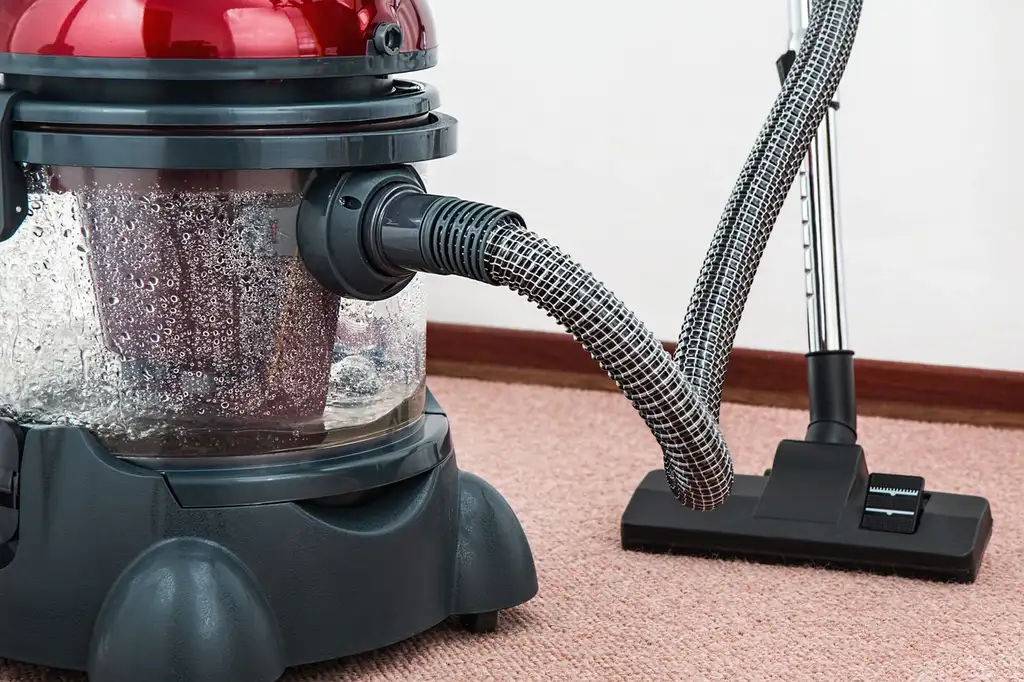
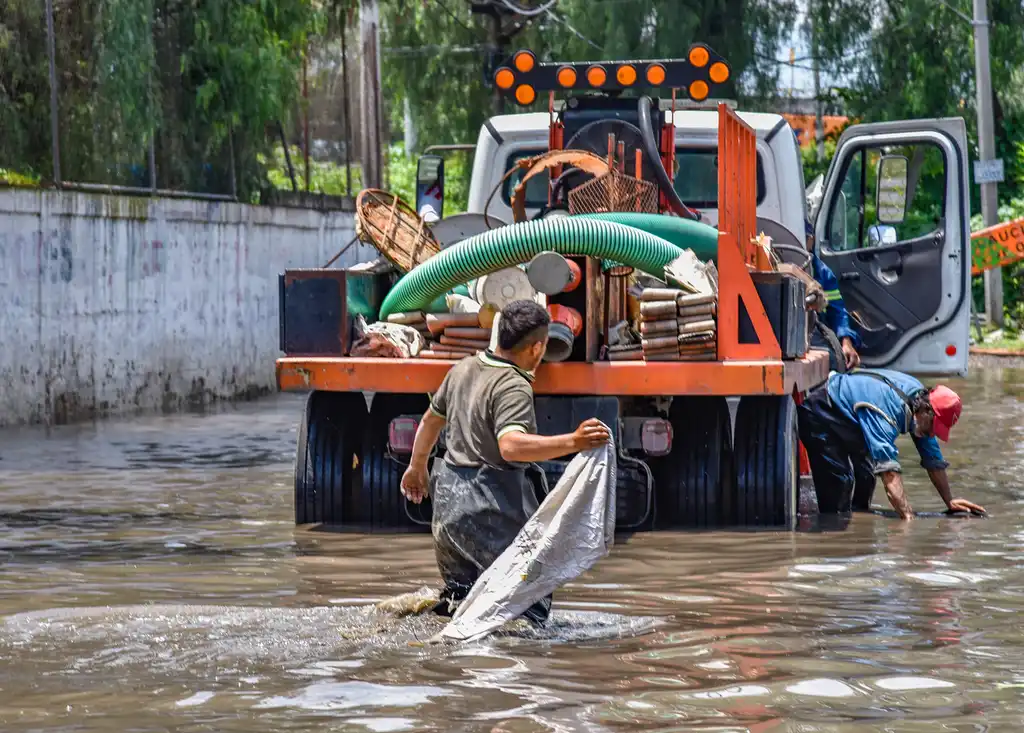
We remove standing water from your hardwood floors using truck-mounted extractors and wet vacuums. This step pulls the bulk of the water before we start drying. It usually takes 1 to 3 hours depending on the size of the affected area.
We use moisture meters and thermal imaging cameras to find all the wet areas. Water travels farther than you think, so we check adjacent rooms and the subfloor. This map guides our drying setup and ensures we don't miss hidden moisture.
We place air movers and dehumidifiers to dry the wood slowly. We seal doorways with plastic sheeting to keep dry air in. Setup takes about an hour. The equipment runs continuously until the wood reaches its dry standard.
A technician checks moisture readings every day using hygrometers and moisture meters. We adjust equipment placement and add or remove units as needed. You get a daily log showing the readings and what we changed.
We apply antimicrobial solutions to the affected area to prevent mold growth. Mold can start in 24 to 48 hours, so this step is important. We use EPA-registered products that are safe for hardwood floors and your family.
When drying is complete, we provide a written summary with final moisture readings and photos. This document supports your insurance claim and your records. We also do a final walkthrough to check for cupping or finish damage.
The approach is the same for a home and a business. What changes is the access, the schedule and who needs the paperwork.
We dry hardwood floors in houses and apartments across Arlington. Our equipment runs quiet enough for occupied homes, and we protect your space.
We dry hardwood floors in offices, retail spaces, and rental units. We work after hours to minimize disruption and document everything for your claim.
A plain-language look at what Hardwood Floor Drying involves and when it is needed.
See how it worksHardwood floor drying arlington TX is a controlled process that removes standing water from the floor surface and then pulls trapped moisture out of the wood itself. We start with water extraction equipment and truck-mounted extractors to pull the bulk of the water. Then we set air movers and dehumidifiers to dry the wood slowly. Moisture meters and thermal imaging cameras tell us exactly where the water went. We check the readings every day until the wood is dry.
Most Arlington calls come from slab leaks, burst pipes, and appliance failures. The clay soil around Tarrant County shifts with our wet springs and dry summers, which stresses pipes under slabs. When a supply line lets go, water wicks into the wood within hours. That's when you need hardwood floor water damage arlington service fast. We've dried everything from single-room leaks to whole-house floods. If you need emergency hardwood floor drying arlington, we can be on-site the same day.
Hardwood floor drying removes water and dries the wood slowly to prevent cupping and mold.
Every job follows the same five steps. You'll know what's happening and when. Here's what to expect from the first call to the final reading.
You call, we ask what happened and how long the water has been sitting. We schedule a same-day visit, usually within 2 to 4 hours. Our technician arrives with moisture meters and thermal imaging cameras. We walk the affected area, find the water source, and explain what we found. You get a clear picture before we start any work.
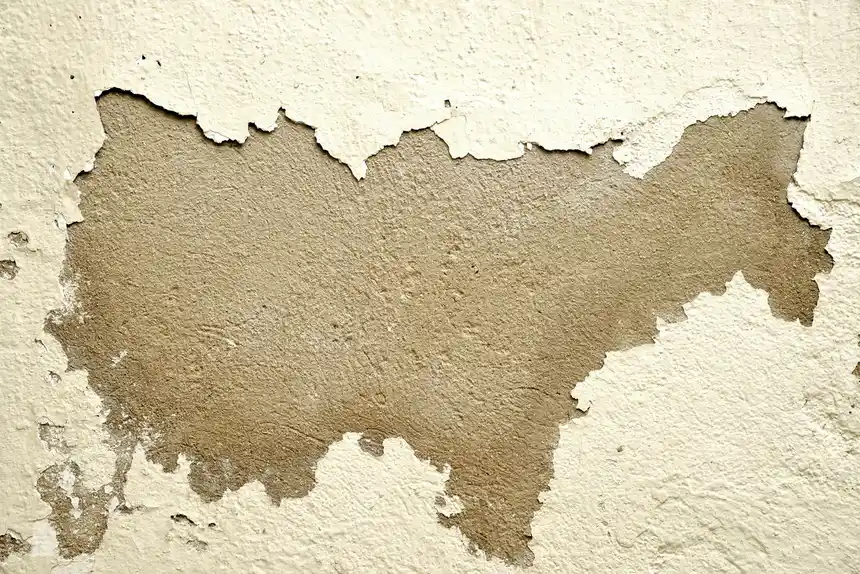
We use truck-mounted extractors and wet vacuums to pull standing water off the floor. For water trapped under the boards, we use portable extractors with specialized attachments. This step usually takes 1 to 3 hours depending on the size. We also check the subfloor and any adjacent rooms. Water travels farther than most people think.
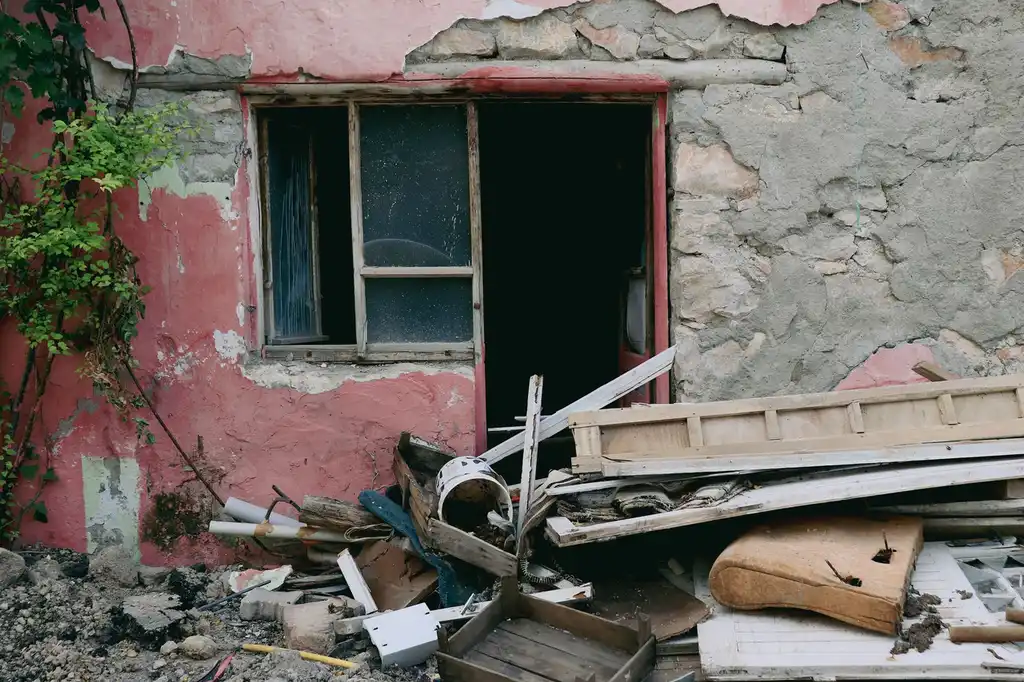
We place air movers along the walls and dehumidifiers in the center of the room. The air movers create a vortex that pulls moisture off the wood surface. The dehumidifiers pull that moisture out of the air. We seal doorways with plastic sheeting to keep the dry air in. Setup takes about an hour. You'll hear the equipment running, but it's quieter than a vacuum.
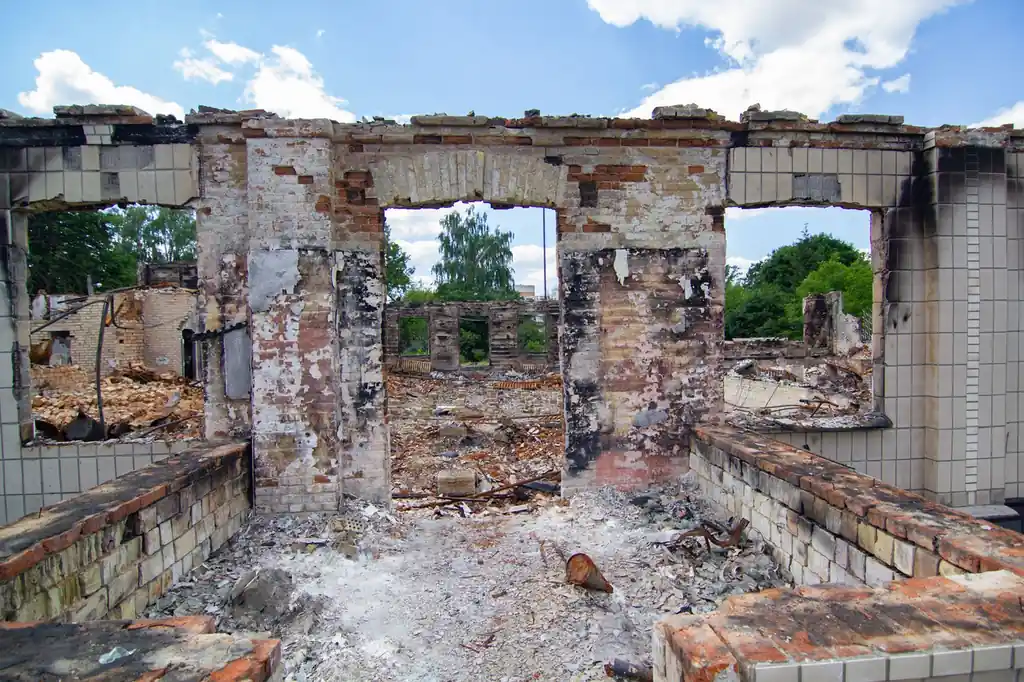
We come back every day to check moisture readings with hygrometers and moisture meters. We adjust equipment placement and add or remove units as needed. You get a daily log showing the readings. Most hardwood floors take 3 to 5 days to dry. Thick floors or heavy saturation can take 7 to 10 days. We don't stop until the readings match a dry standard.

When the wood reaches its dry standard, we remove the equipment and do a final walkthrough. We check for cupping, crowning, or finish damage. If any boards need attention, we tell you what we see. We also give you a written summary of the drying process and final moisture readings. That document supports your insurance claim and your records.
Move across a circle, or focus it and press Enter, for an illustrative thermal view of the photograph.
Pull large volumes of standing water off hardwood floors fast. These are the first tool we use on any water extraction job.
Reach tight spaces and extract water trapped under boards. We use these for areas the truck mount can't reach.
Create a vortex of air that pulls moisture off the wood surface. We place them along walls to dry floors evenly.
Pull moisture out of the air so the wood can keep drying. We use commercial units that handle large rooms.
Measure moisture content in the wood. We use these daily to track drying progress and know when to stop.
Thermal views are illustrative, generated from the photographs.
Find hidden moisture behind walls and under floors. These cameras show us where water traveled.
Measure humidity levels in the air. We use these to keep humidity below 60% during drying.
We follow the IICRC S500 standard for water damage restoration. This standard guides how we extract water, set up drying equipment, and monitor progress. It's the industry benchmark for drying wood floors and structural materials.
We check moisture readings every day using moisture meters and hygrometers. We log the readings and adjust equipment as needed. This daily attention catches problems early and keeps drying on track.
We dry wood floors slowly to prevent cracking and finish damage. We use desiccants and dehumidifiers to pull moisture through the wood. This approach protects the finish and helps boards flatten back out.
We write our scope in Xactimate, the same software most insurance adjusters use. This makes it easier for your claim to be approved. We document moisture readings, equipment used, and affected areas.
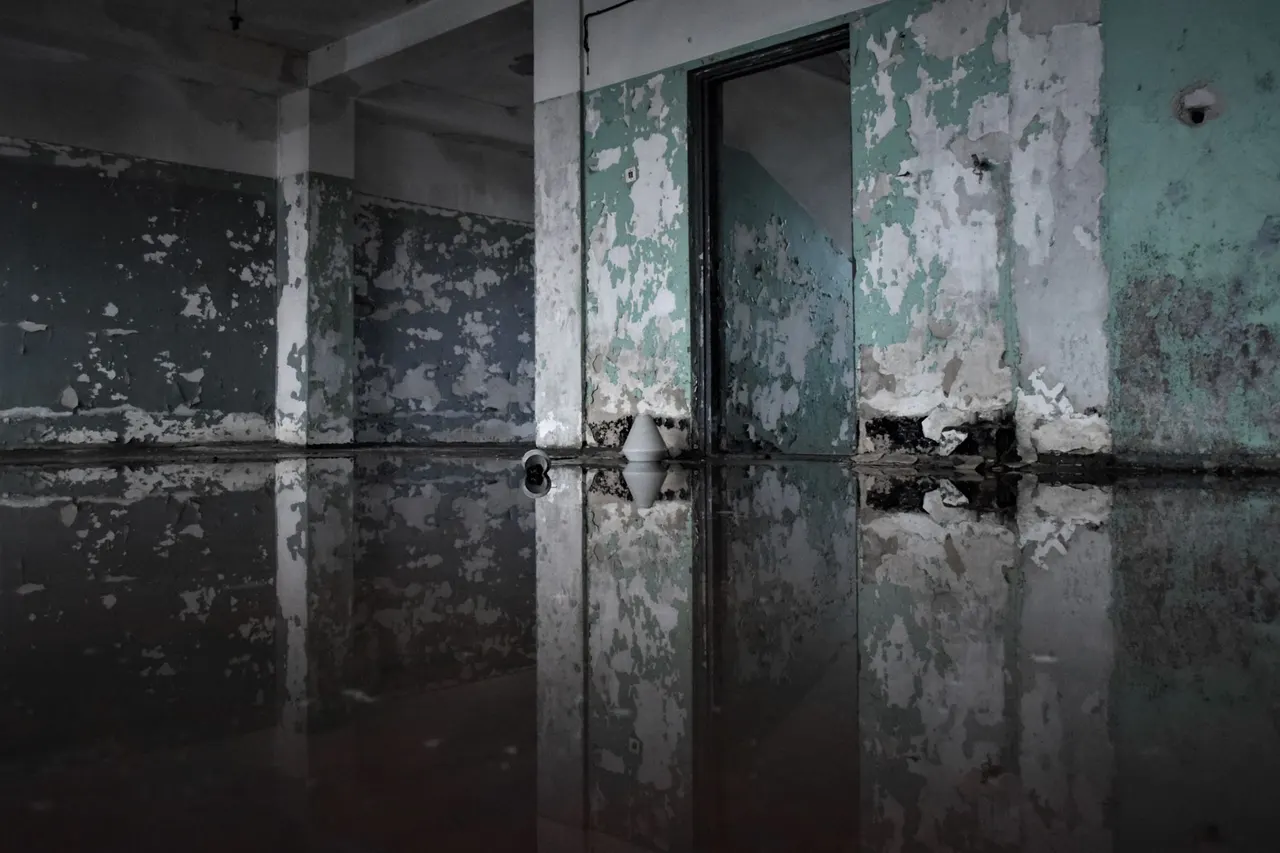
A pipe bursts under your kitchen sink and water spreads across your oak floors.
We extract the standing water with truck-mounted extractors, then set up air movers and dehumidifiers. We check moisture daily and adjust equipment. The goal is to dry the wood before it cups.
Outcome: Most floors dry in 3 to 5 days. If caught early, the boards flatten back out and you avoid replacement.

Your water heater leaks in the garage and water seeps into the adjacent room's hardwood.
We extract water from the floor and check the subfloor for moisture. We place drying equipment and monitor readings daily. We also document everything for your insurance claim.
Outcome: The floor dries in 4 to 6 days. You get a written summary for your adjuster and your records.
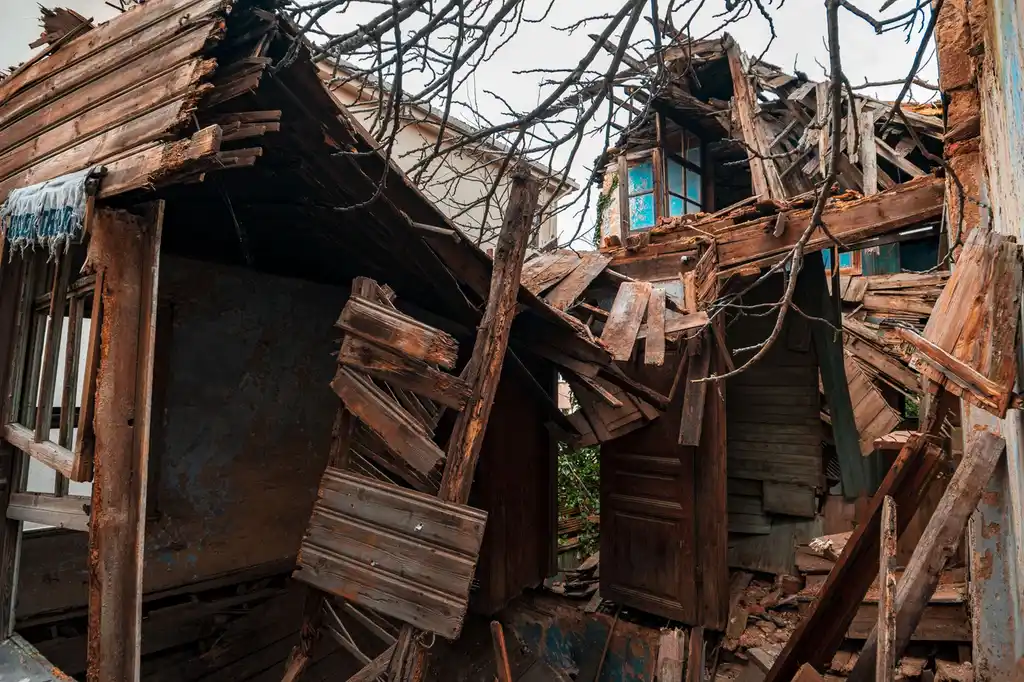
A storm floods your basement and water covers your hardwood floors.
We pump out the standing water, extract the rest, and apply antimicrobial solutions. Then we set up drying equipment and check moisture daily. We also check for mold and hidden moisture.
Outcome: The floors dry in 5 to 7 days. We document the damage for insurance and help you understand what can be saved.

Your washing machine hose fails and floods the laundry room and hallway hardwood.
We extract the water, map the moisture with thermal imaging, and set up drying equipment. We monitor daily and adjust as needed. We also check adjacent rooms for hidden moisture.
Outcome: The floors dry in 3 to 5 days. Most floors come through with no cupping or finish damage.
Arlington sits in Tarrant County where clay soil shifts with wet springs and dry summers. That movement stresses pipes under slabs, which leads to slab leaks and burst pipes. When a supply line fails, water wicks into hardwood floors fast. Older homes near Downtown Arlington and Interlochen often have original oak floors. Newer builds in Viridian and Southeast Arlington use engineered hardwood.
Each dries differently. We adjust our approach based on the wood type and the home's age. Our wet season runs spring through early summer, but slab leaks happen year-round. If you need wood floor drying arlington TX, we know the local conditions that cause damage. We also handle storm water intrusion after heavy rains. We serve ZIP codes 76011, 76005, 76001, 76002, 76006, and 76018.

Before: A supply line under the kitchen sink burst and water spread across 400 square feet of oak flooring. The homeowner called us within two hours. Water was standing on the floor and had soaked into the subfloor.
After: We extracted the water, set up air movers and dehumidifiers, and monitored moisture daily. After four days, the oak floors were dry and flat. No boards needed replacement. The final moisture readings matched the dry standard.
Keep an eye on supply lines under sinks and replace them every five years. Check for leaks after cold snaps. If you see cupping, call us immediately.
Before: A water heater in a rental unit leaked and soaked 300 square feet of hardwood in two rooms. The property manager called us the same day. Water had been sitting for about six hours.
After: We extracted the water, applied antimicrobial solution, and set up drying equipment. After five days, the floors were dry. We documented everything in Xactimate for the insurance claim. The adjuster approved the claim without back-and-forth.
Flush your water heater annually and check the pan for leaks. Replace the unit every 10 to 12 years. If you see water around the base, call us.
Before: A washing machine hose failed and flooded the laundry room and hallway. Water covered 250 square feet of engineered hardwood. The homeowner called us within an hour. Water had spread under the baseboards.
After: We extracted the water, mapped moisture with thermal imaging, and set up drying equipment. After three days, the floors were dry. The engineered hardwood showed no cupping or finish damage. We provided a written summary for the homeowner's records.
Replace washing machine hoses every three to five years. Use braided steel hoses instead of rubber. Check for leaks behind the machine monthly.
Water damage shows up in different ways. Some problems are obvious, like standing water. Others are hidden, like moisture under the floor. Here's what we fix.
Fast drying saves boards and prevents mold.
Wood floors cup when the top absorbs water faster than the bottom. Cupping starts within 24 to 48 hours. We extract water and start drying immediately, which keeps the moisture difference small. If we catch it early, most boards flatten back out as they dry. Wait a week and those boards may need replacement.
Mold can start growing on wet wood in 24 to 48 hours. We apply antimicrobial solutions to the affected area and keep humidity below 60% during drying. That combination stops mold before it starts. If mold is already present, our IICRC AMRT training covers safe removal. We don't just dry the floor and leave a mold problem behind.
Polyurethane finishes can cloud or peel when moisture gets underneath. Slow, controlled drying protects the finish better than blasting heat at the floor. We use desiccants and dehumidifiers to pull moisture through the wood without cooking the surface. Many floors come through with the original finish intact, which saves you a full sand-and-refinish.
We photograph moisture readings, record daily logs, and write a scope in Xactimate format. Your insurance adjuster gets clear evidence of the damage and the drying progress. That documentation supports your claim and speeds up approval. You get a copy of everything we record. No guesswork, no arguments about what was wet.
Clear records you can keep and share.
Daily readings recorded
Images of affected areas
Final moisture readings
Xactimate documentation
Not all water damage is the same. The type of water and how long it sat determine what we can save.
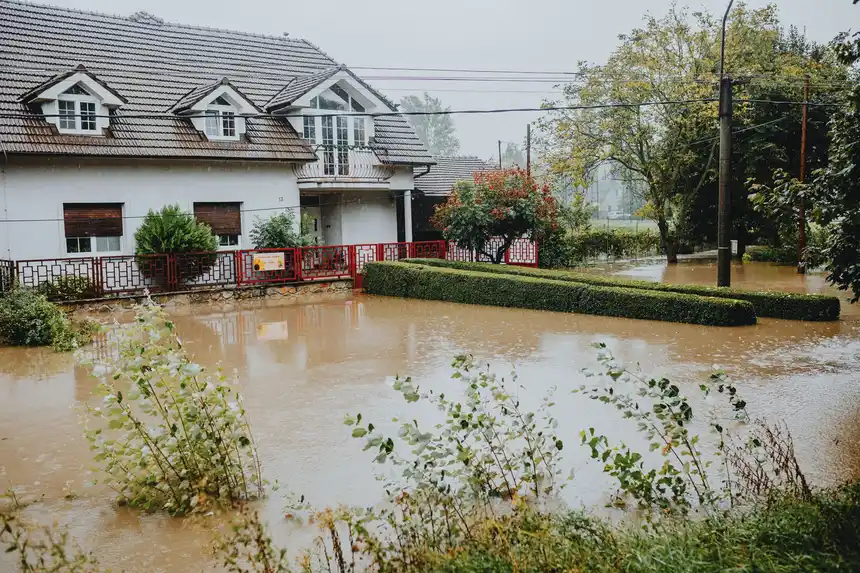
From burst pipes or supply lines
From appliances or sinks
From sewage or floods
A list like this tells people straight away whether you cover their street. Not listed? Call and ask: it only takes a minute.
Based in arlington and covering the places around it. Pick one for local details.
We provide a written scope before we start. Insurance often covers the cost when the damage comes from a sudden pipe burst or appliance failure. We bill your carrier directly when possible.
Yes, most hardwood floors can be saved if you start drying within 24 to 48 hours. The key is removing standing water fast and then drying the wood slowly. Cupping and crowning are reversible if caught early. After 72 hours, boards may need replacement. We assess your floor on the first visit and tell you honestly what we think can be saved.
Most hardwood floors dry in 3 to 5 days with professional equipment. Thick solid wood or heavy saturation can take 7 to 10 days. We check moisture readings daily and adjust equipment as needed. You'll know the expected timeline after our first visit. We don't remove equipment until the wood reaches its dry standard.
Yes, we schedule same-day visits for most Arlington calls. Our trucks carry extraction and drying equipment, so we can start work immediately. Call us at +1 817-761-4255 and we'll dispatch a technician. The sooner we extract water and start drying, the better your chances of saving the floor. Don't wait until tomorrow.
Other services from the same team.
Water sitting on your hardwood floors won't wait. We answer the phone, schedule a same-day visit, and start drying immediately. Call +1 817-761-4255 now. We'll tell you what we see and what it takes to save your floors.
Call us any time and describe what happened. We ask a few questions about the water source and how long it has been running, then get a crew headed your way. If you prefer email, send photos of the damage and we will follow up with next steps.