For Homes
We extract water from carpets, hardwood, and crawl spaces, then dry the structure and check readings daily. You get a clear timeline and documentation for your insurance claim.
- Appliance leaks
- Burst pipes
- Crawl space water
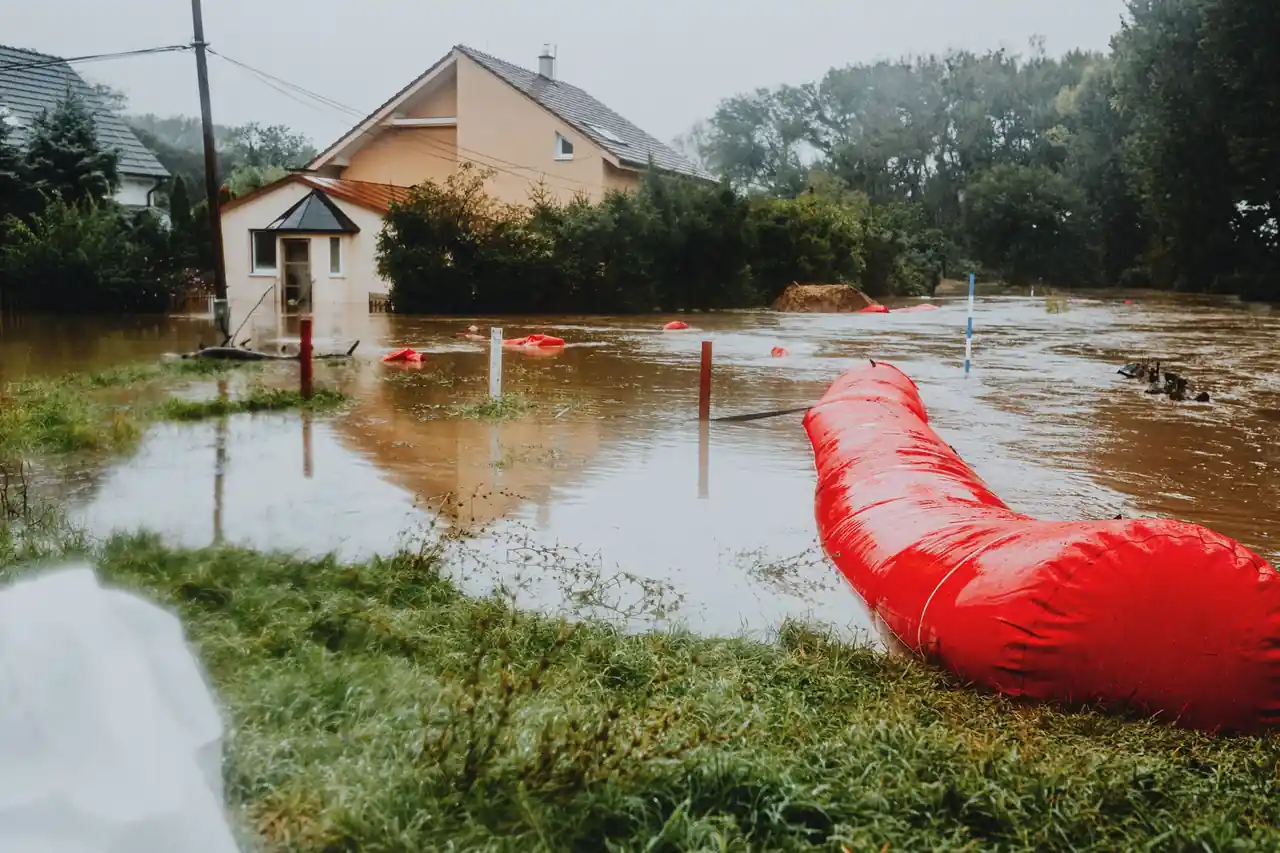
When water is rising in your home, residential water extraction Arlington TX crews respond fast to pull it out and start drying. We handle burst pipes, appliance leaks, storm intrusion, and sewage backups for homeowners across Arlington, Texas. Call and we will tell you what to do before we arrive.
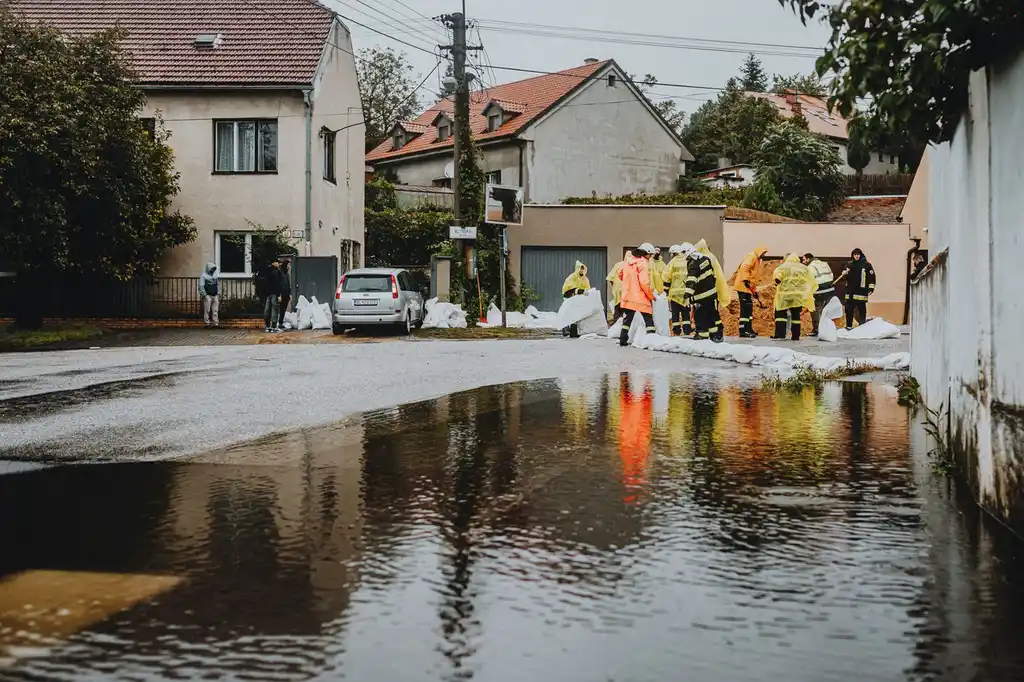 Moisture mappingThermal imagingDaily readings
Every residential water extraction job includes an inspection, extraction, equipment setup, daily monitoring, and documentation. What changes is the scope: a single-room leak is a smaller job than a whole-floor sewage backup. We tell you what is covered before we start.
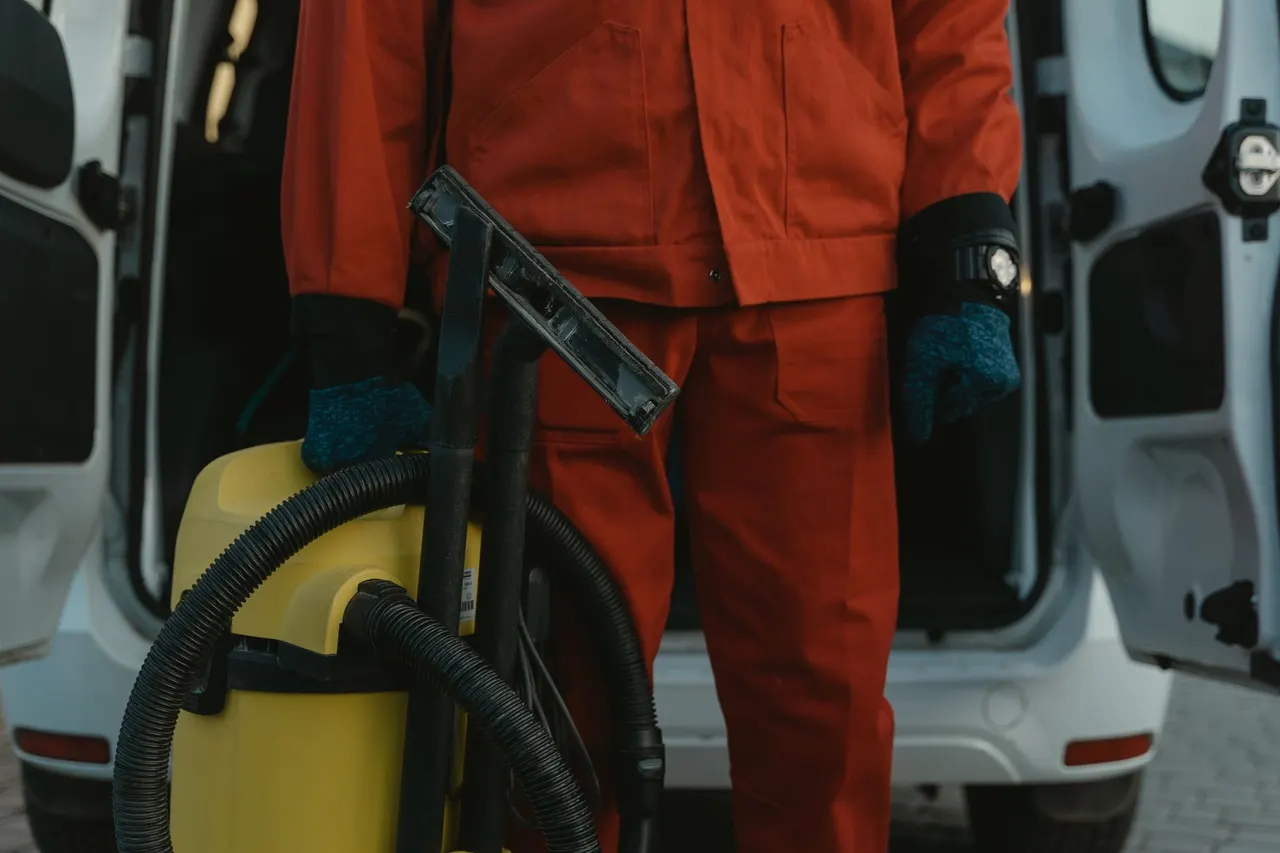
We walk the home with moisture meters and thermal imaging cameras to find the wet zone and check for hidden moisture in walls, ceilings, and floors. You get a plain explanation of what we found.
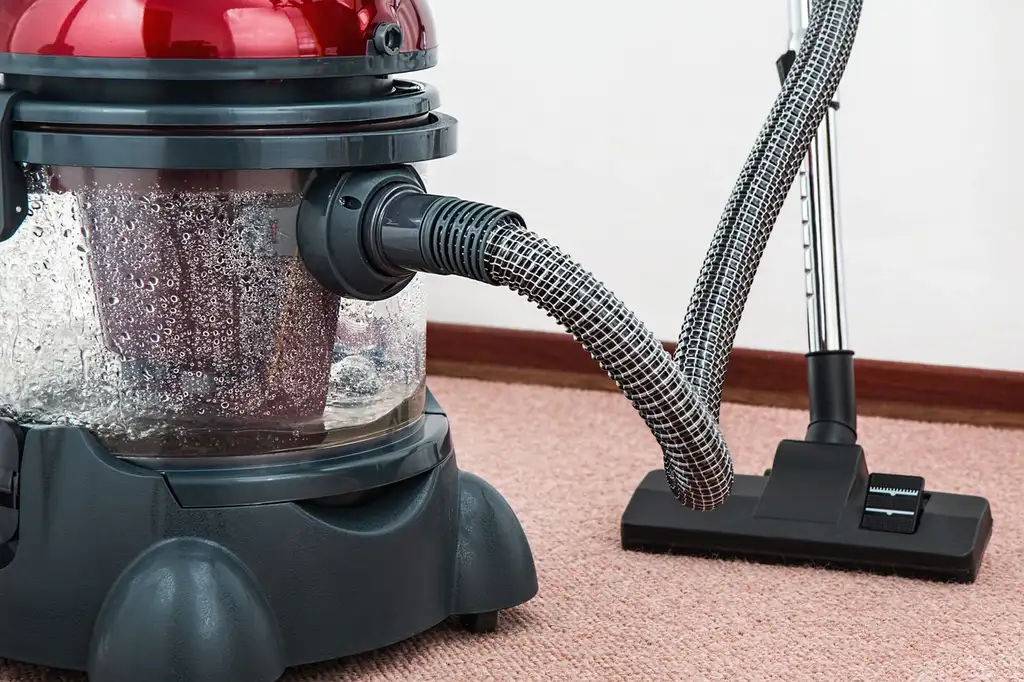
Truck-mounted extractors handle the bulk of the water. Portable extractors and wet vacuums get into closets, under cabinets, and down in crawl spaces. We pull water until the surface is dry to the touch.
We set air movers and dehumidifiers sized to the affected area. Desiccants may be used in tight spaces. Equipment stays until moisture readings match dry standard, usually three to five days.
Affected framing and surfaces get antimicrobial solutions to inhibit mold growth. We use disinfectants on category 3 water like sewage backups and remove materials that cannot be cleaned.
We return daily to check moisture readings with hygrometers and adjust equipment. You get updated readings and a clear answer on how much longer the drying will take.
Photos, moisture logs, equipment placement, and an Xactimate estimate are included. We can communicate with your adjuster and provide the documentation they need to process the claim.
The approach is the same for a home and a business. What changes is the access, the schedule and who needs the paperwork.
We extract water from carpets, hardwood, and crawl spaces, then dry the structure and check readings daily. You get a clear timeline and documentation for your insurance claim.
We extract water from offices, retail spaces, and restaurants, then dry the structure and document the job for your property manager. Work is scheduled to keep your doors open when possible.
A plain-language look at what Residential Water Extraction involves and when it is needed.
See how it worksResidential water extraction Arlington TX is the process of removing standing water from a home using truck-mounted extractors, portable units, and wet vacuums, then measuring moisture to confirm the structure is drying. It is not a shop-vac job. We use moisture meters, thermal imaging cameras, and hygrometers to find water hiding behind drywall, under hardwood, and inside insulation before mold growth starts.
In Arlington, the calls come from everywhere: slab leaks in mid-century ranch homes, burst pipes during a January freeze, sewage backups after heavy spring rain, and appliance leaks that run overnight. If you search for residential water extraction near me Arlington TX at 2 a.m., you want someone who answers. We do, and we walk you through shutting off the water before the truck rolls.
Extraction removes the water; drying and measuring prove the structure is actually dry.
Every job follows the same five steps. You will know what is happening, who is in your home, and what comes next. Most residential jobs are extracted and drying within the first four hours on site.
You call, we answer. We ask what happened, how much water you see, and whether the source is stopped. We tell you how to shut off the water or gas if you have not already, and we give you a real arrival window, not a four-hour block.
On arrival, we walk the home with you. We use moisture meters and thermal imaging cameras to find the wet zone and check for hidden moisture in walls, ceilings, and floors. We explain what we found and what it will take to fix it before any equipment comes in.
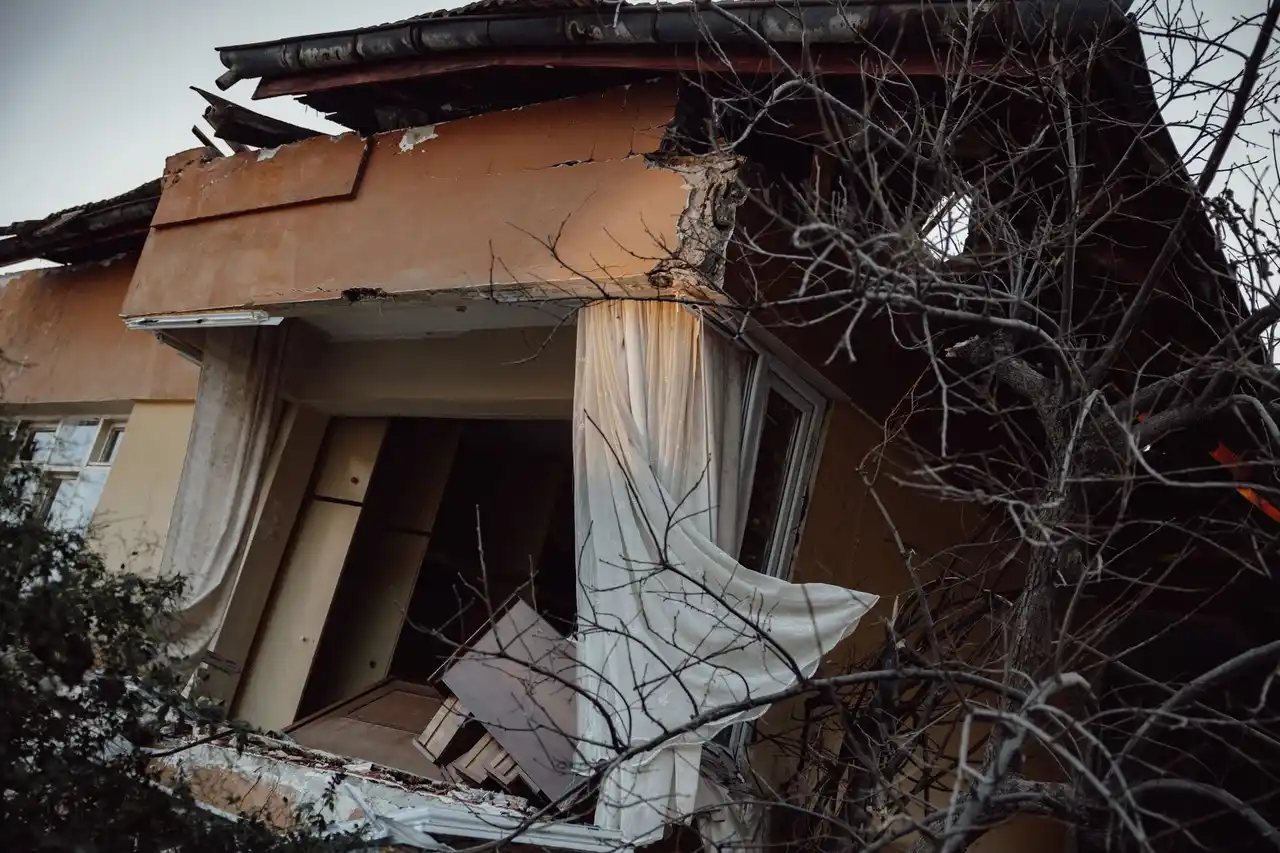
Truck-mounted extractors handle the bulk of the water. Portable extractors and wet vacuums get into closets, under cabinets, and down in crawl spaces. We pull standing water first, then use absorbent pads and weighted extraction on carpet and hardwood.
We set air movers and dehumidifiers to dry the structure. Desiccants may be used in tight spaces like crawl spaces. We return daily to check moisture readings with hygrometers and adjust equipment until the readings match dry standard, usually three to five days.
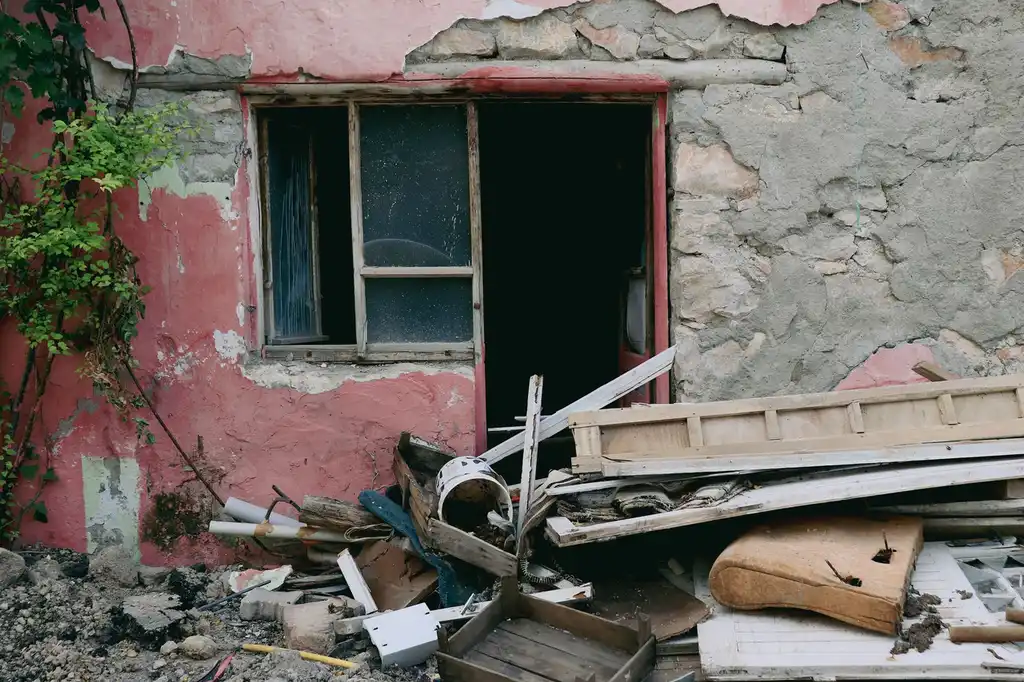
You get a full report: photos, moisture logs, equipment placement, and an Xactimate estimate for your insurance claim. We walk the job with you, explain what was dried and what needs repair, and leave the space clean. No surprises on the invoice.
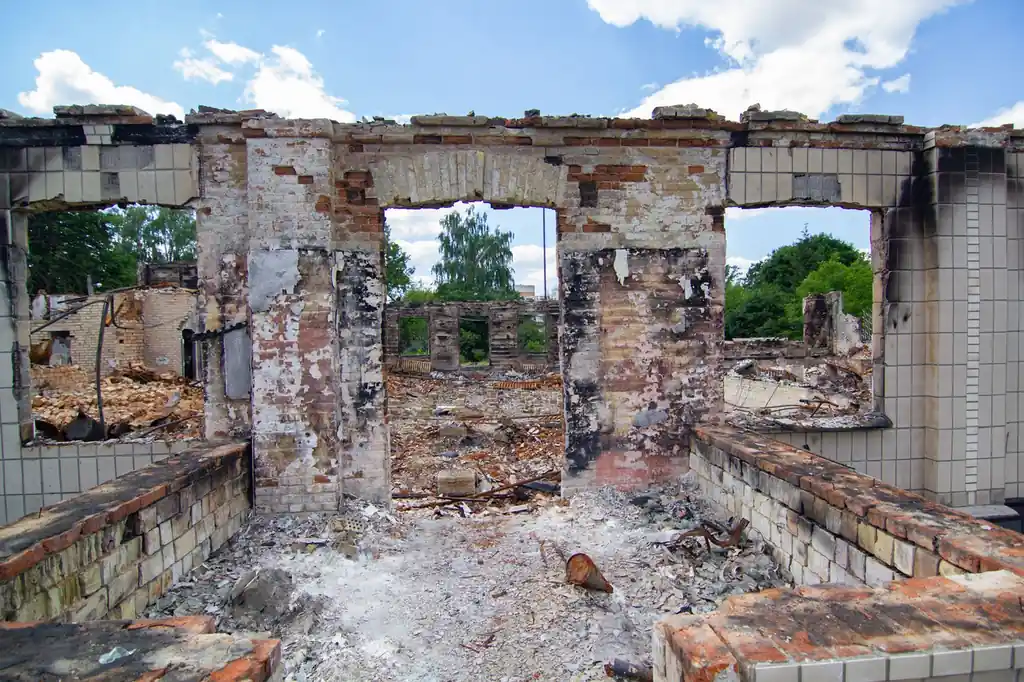
Move across a circle, or focus it and press Enter, for an illustrative thermal view of the photograph.
High-powered units that pull hundreds of gallons of standing water from carpet, hardwood, and hard surfaces in a single visit.
Used in closets, under cabinets, and in crawl spaces where the truck mount cannot reach.
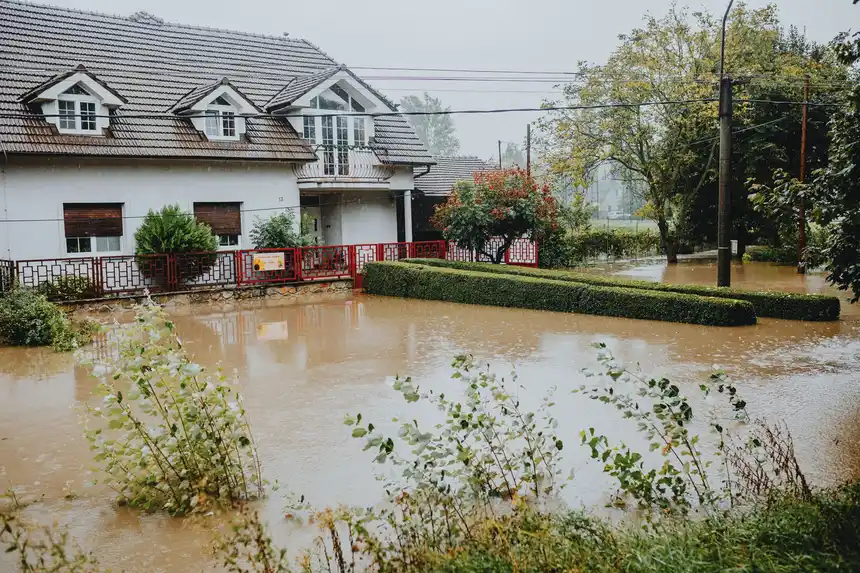
Find water hidden behind drywall, under floors, and in ceiling cavities without tearing into the surface.
Measure moisture content in materials and humidity in the air so we know when the structure is actually dry.
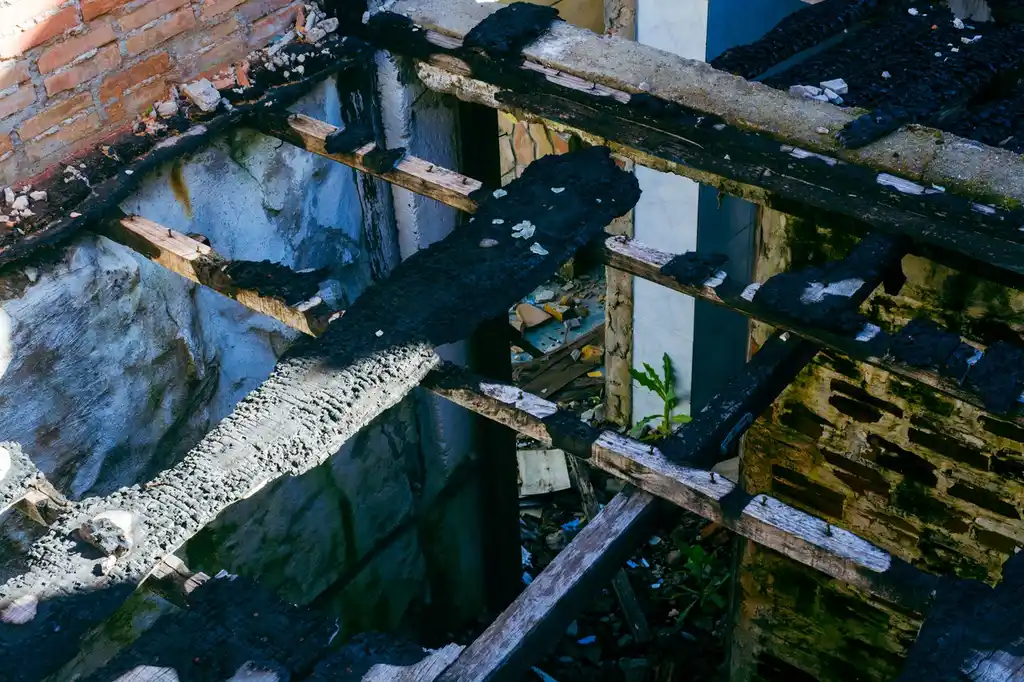
Dry the structure by moving air across wet surfaces and pulling moisture out of the air. Sized to the affected area.
Thermal views are illustrative, generated from the photographs.
Used in tight spaces like crawl spaces where standard dehumidifiers cannot reach the moisture.
Check inside wall cavities and ceiling assemblies for wet insulation and hidden water paths.
The industry standard for water damage restoration. It defines water categories, drying goals, and documentation requirements. We follow it on every residential water extraction job.
We map the wet zone with thermal imaging and moisture meters, then log readings by room. The map guides equipment placement and tells us when the job is done.
We return daily to check moisture readings with hygrometers and adjust equipment. Drying is not a set-it-and-forget-it process, and the readings tell us what to change.
We prepare estimates in Xactimate, the software most insurance adjusters use. Photos, moisture logs, and equipment placement are included so your claim moves faster.
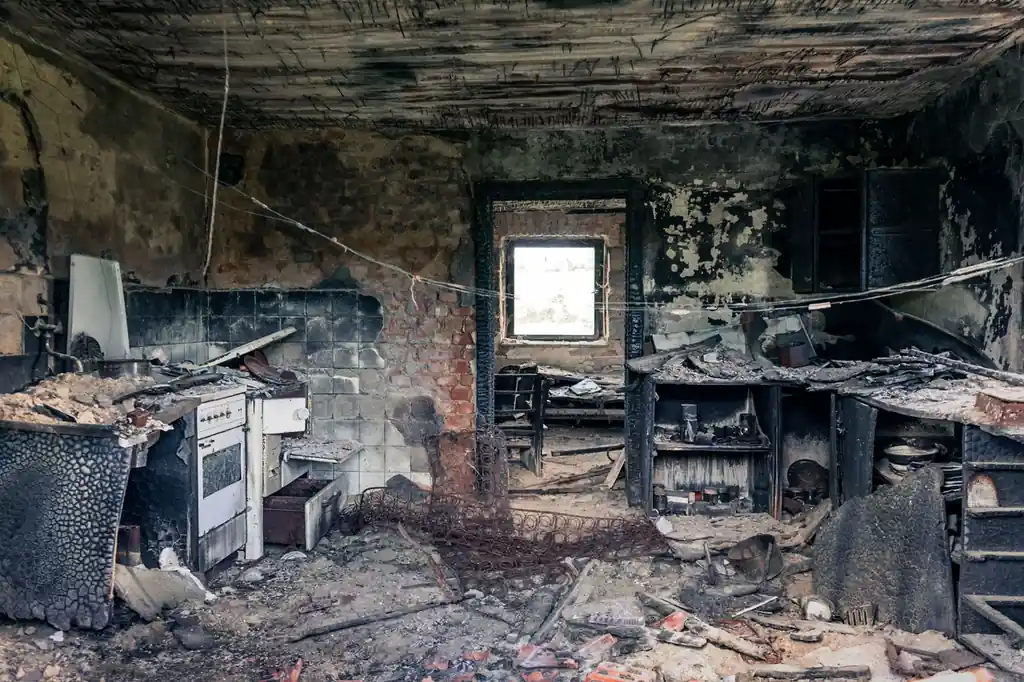
A water heater in the attic or garage lets go overnight and water runs into the ceiling below.
We extract the water from the ceiling and floor, use inspection cameras to check the ceiling cavity, and set drying equipment. If the ceiling drywall is saturated, we remove the wet section and dry the framing.
Outcome: The ceiling cavity dries in three to four days, the framing is saved, and the repair is limited to patching drywall instead of replacing the ceiling.
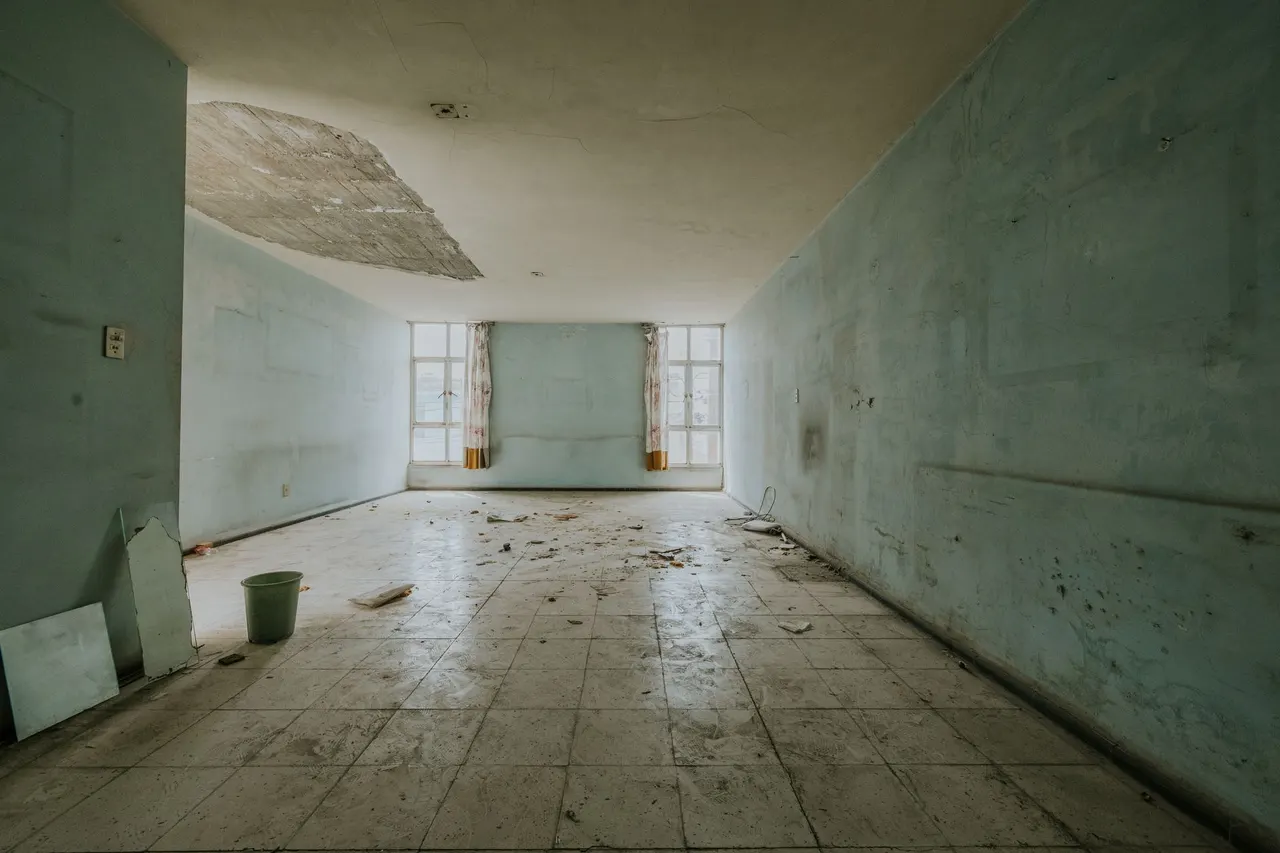
A frozen pipe bursts during a January freeze and water runs down an interior wall.
We shut off the water, extract from the floor, and use thermal imaging to trace water inside the wall. Small drying holes let air into the cavity, and dehumidifiers pull moisture out of the room.
Outcome: The wall cavity dries without full demolition, the insulation is checked and replaced if needed, and the drywall repair is minimal.
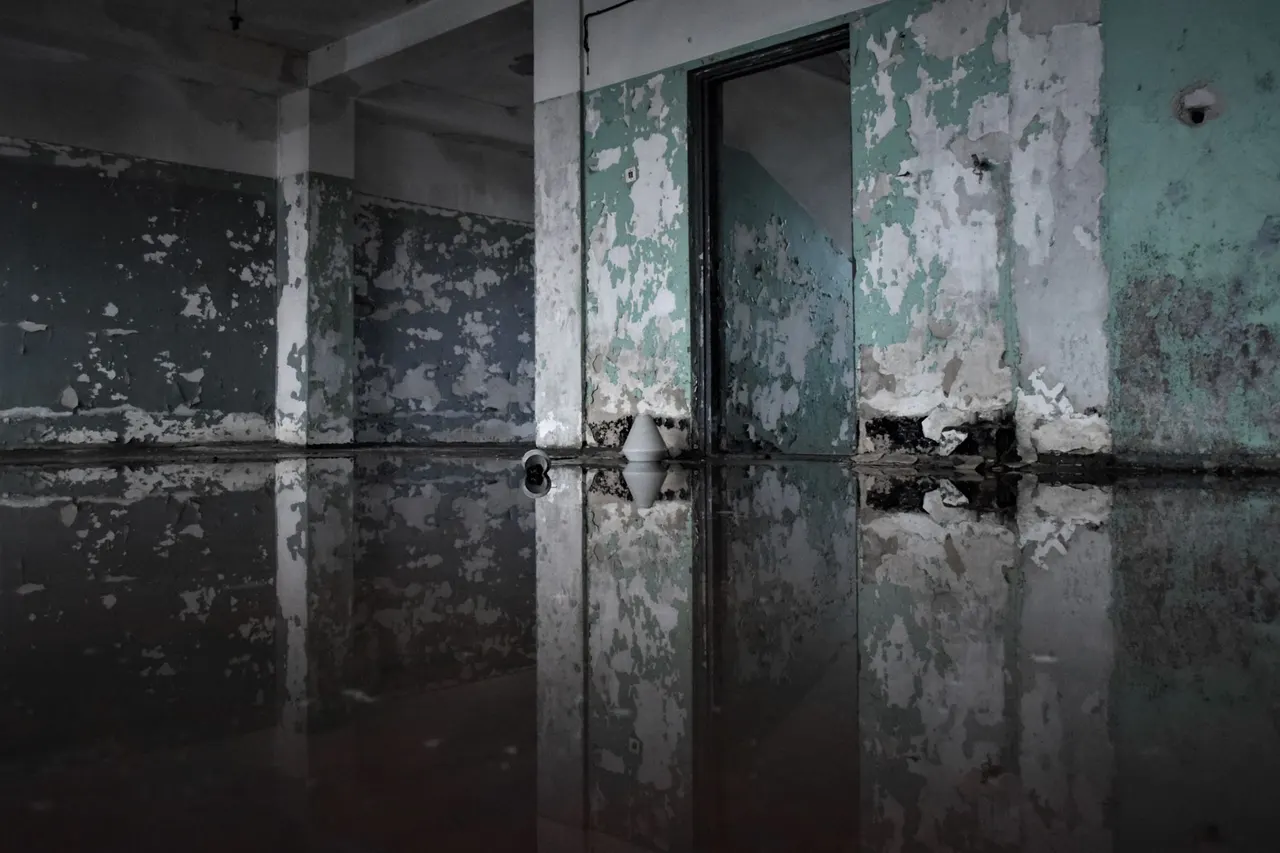
A washing machine supply line fails and floods the laundry room and adjacent hallway.
We extract standing water from the laundry room, hallway, and any carpet, then set air movers and a dehumidifier. Baseboards are checked for moisture and dried in place when possible.
Outcome: The floor dries in three days, the baseboards are saved, and the laundry room is back in service without a flooring replacement.
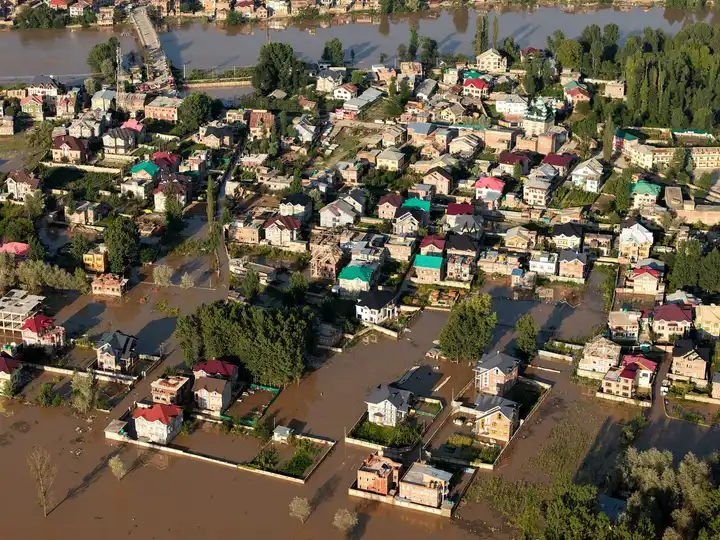
Heavy spring rain pushes water through a foundation crack and floods a finished basement.
We extract the water, check the finished walls with thermal imaging, and remove wet baseboards and insulation where needed. Desiccants or dehumidifiers dry the space, and we check for crawl space moisture nearby.
Outcome: The basement dries in four to five days, mold growth is prevented, and the foundation crack is documented so you can have it sealed.
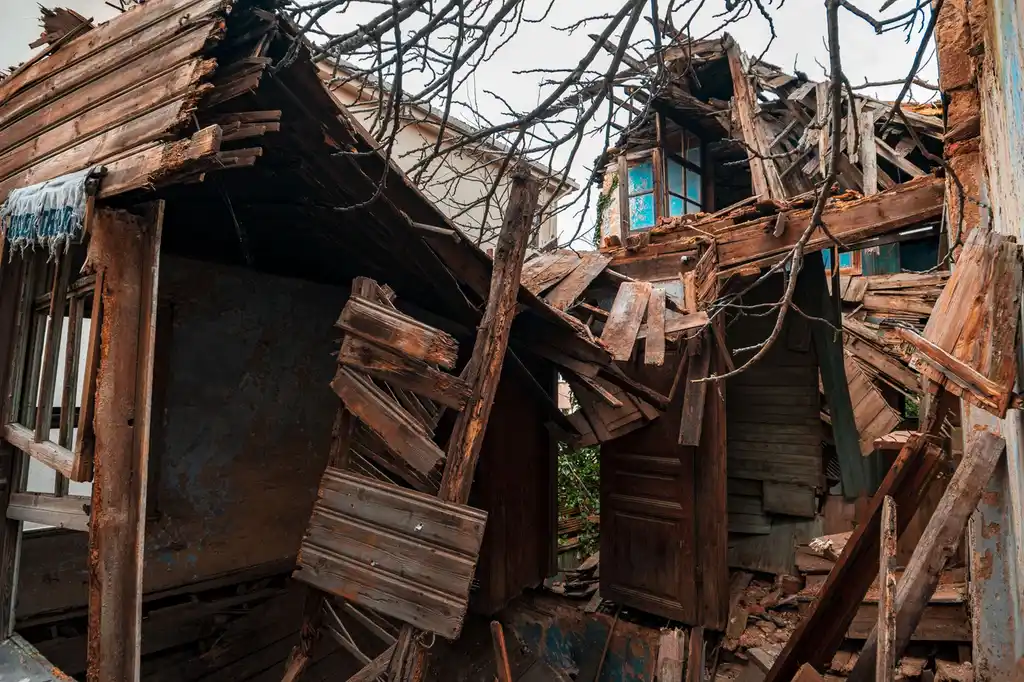
A toilet supply line breaks in an upstairs bathroom and water runs into the living room ceiling.
We extract water from the bathroom floor and the living room below, use inspection cameras to check the ceiling cavity, and set drying equipment in both rooms. Ceiling water stains are documented for repair.
Outcome: Both rooms dry in four days, the ceiling framing is saved, and the repair is limited to patching and painting the stained drywall.
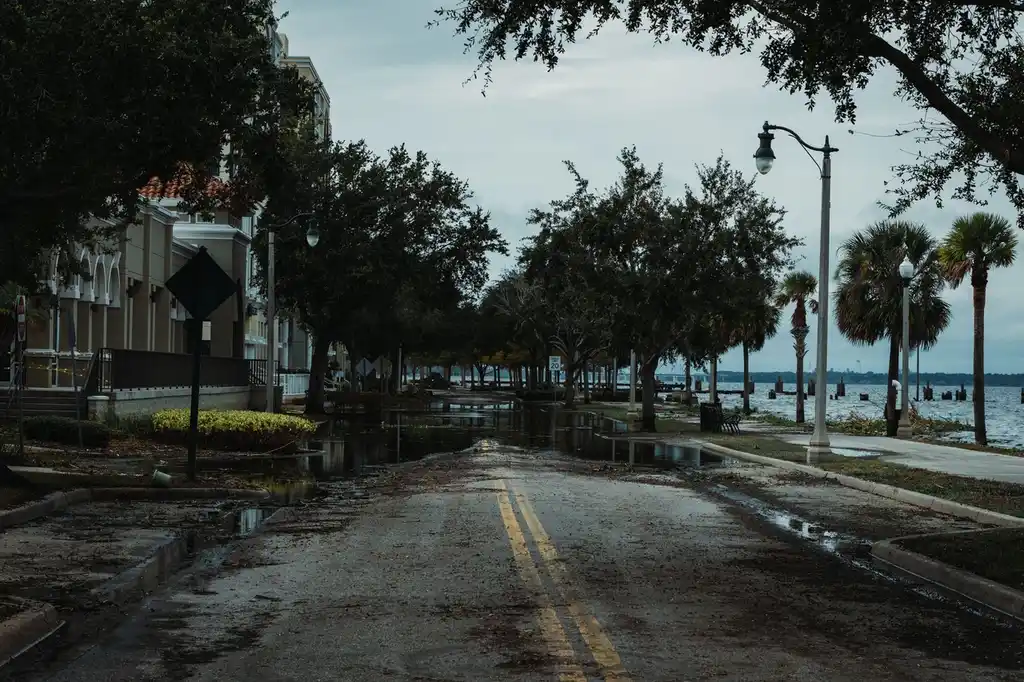
Arlington sits in Tarrant County, and the housing stock tells the story. Mid-century ranch homes in Central Arlington and Interlochen have slab foundations and copper supply lines that develop pinhole leaks. Newer builds in Viridian and Southeast Arlington have PEX lines and finished crawl spaces that trap moisture differently. When a January freeze hits, we see burst pipes in attics and garages.
When spring storms roll through, we see roof leaks and foundation seepage. If you need emergency residential water extraction Arlington, we know the neighborhoods and the building styles. We also know the ZIP codes: 76011, 76005, 76001, 76002, 76006, and 76018. Our trucks carry the equipment to handle slab leaks, crawl space moisture, and hardwood floor cupping without waiting on a second delivery.
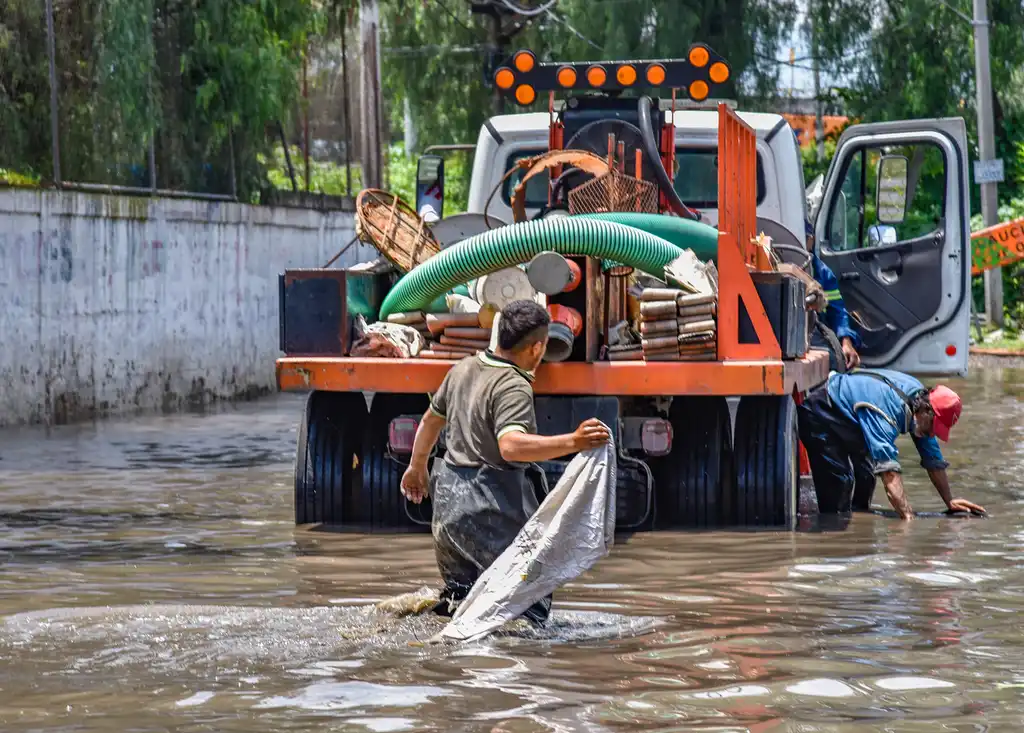
Before: A supply line under a kitchen sink burst at 11 p.m. and ran for 45 minutes before the homeowner found the shutoff. Water spread into the hallway and soaked the carpet and baseboards in two rooms.
After: We extracted 60 gallons of water, set air movers and a dehumidifier, and dried the carpet and baseboards in four days. Moisture readings returned to dry standard, and the homeowner avoided a carpet replacement.
We recommended checking supply lines every six months and replacing plastic lines with braided stainless.
Before: A root intrusion blocked the main sewer line and sewage backed up into a bathroom and laundry room. The water was category 3, and the drywall and vinyl flooring were saturated.
After: We extracted the sewage with PPE, removed 12 feet of contaminated drywall and the vinyl flooring, applied disinfectants, and dried the framing in five days. The job was documented for insurance, and the claim covered the removal and repair.
We recommended a sewer camera inspection every two years for homes with mature trees. Root intrusion is common in Interlochen, and early detection prevents backups.
Before: A spring storm pushed water through a roof leak and into a bedroom ceiling. The ceiling drywall was saturated, and insulation in the attic was wet. The homeowner noticed a ceiling water stain the next morning.
After: We removed the wet drywall section, extracted water from the insulation, and dried the ceiling framing in three days. The repair was limited to patching and painting the drywall, and the roof leak was documented for the roofer.
We recommended a roof inspection after every major hail or wind storm. Catching a roof leak early keeps water out of the ceiling cavity and prevents mold growth.
Most water damage calls start with a problem the homeowner did not see coming. These are the ones we see most in Arlington, and what happens if they are ignored.
Fast extraction and measured drying protect your floors, walls, and air quality.
Standing water wicks into drywall, baseboards, and subfloor within hours. Our truck-mounted extractors pull hundreds of gallons in a single visit, and we set air movers the same day so your floors and walls have a fighting chance.
Water travels. A leak in the upstairs bathroom shows up as a ceiling water stain in the living room. We use thermal imaging cameras and moisture meters to map the full path, so we dry the whole problem, not just the visible puddle.
Mold can start growing on wet drywall and insulation in 24 to 48 hours. We apply antimicrobial solutions to affected framing and use dehumidifiers to pull moisture out of the air, which keeps the job from turning into a mold remediation project.
We document everything with photos, moisture readings, and an Xactimate estimate your adjuster can read. That paperwork is the difference between a smooth claim and a fight, and it is included with every residential flood water extraction Arlington Texas job.
Clear records you can keep and share.
Photos of affected materials and equipment placement.
Daily readings logged by room and material.
Placement of air movers and dehumidifiers.
Xactimate estimate for your insurance claim.
The category of water determines what can be dried and what has to be removed.
Clean water from a supply line.
Gray water with some contamination.
Black water with pathogens.
A list like this tells people straight away whether you cover their street. Not listed? Call and ask: it only takes a minute.
Based in arlington and covering the places around it. Pick one for local details.
A single-room appliance leak is on the low end. A whole-floor sewage backup with contaminated water is on the high end. We give you a written estimate before work starts, and we document everything for your insurance claim.
Extraction itself usually takes two to four hours on site. Drying takes longer: three to five days for most homes, with daily monitoring visits. A small bathroom leak might be dry in three days. A flooded hardwood floor with water under the subfloor can take five to seven days. We give you a realistic timeline after the initial inspection.
Yes. We schedule same-day residential water extraction Arlington TX visits for active leaks and standing water. Call and we will confirm an arrival window. If the water is still running, we will walk you through shutting it off before we arrive. For sewage backups, stay out of the affected rooms until we get there.
We do. We photograph affected materials, log moisture readings, and prepare an Xactimate estimate that your adjuster can read. We can communicate directly with your adjuster and provide the documentation they need. You are still the policyholder, but we make the paperwork side easier so the claim moves faster.
Other services from the same team.
Standing water does not get better on its own. Call us and we will give you a straight answer, a real arrival window, and a crew that documents every step for your insurance claim. We are local, and we answer the phone.
Call us any time and describe what happened. We ask a few questions about the water source and how long it has been running, then get a crew headed your way. If you prefer email, send photos of the damage and we will follow up with next steps.